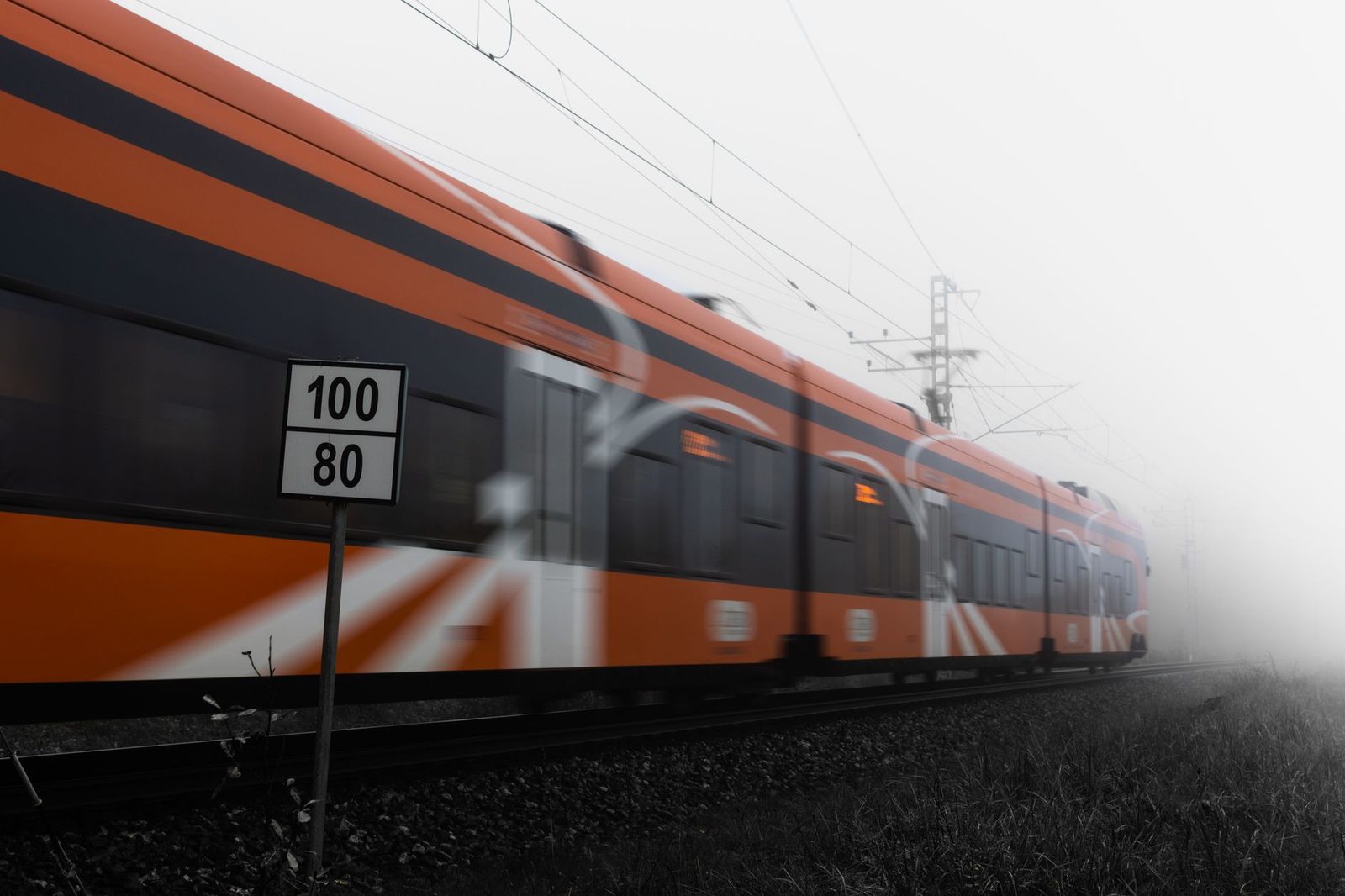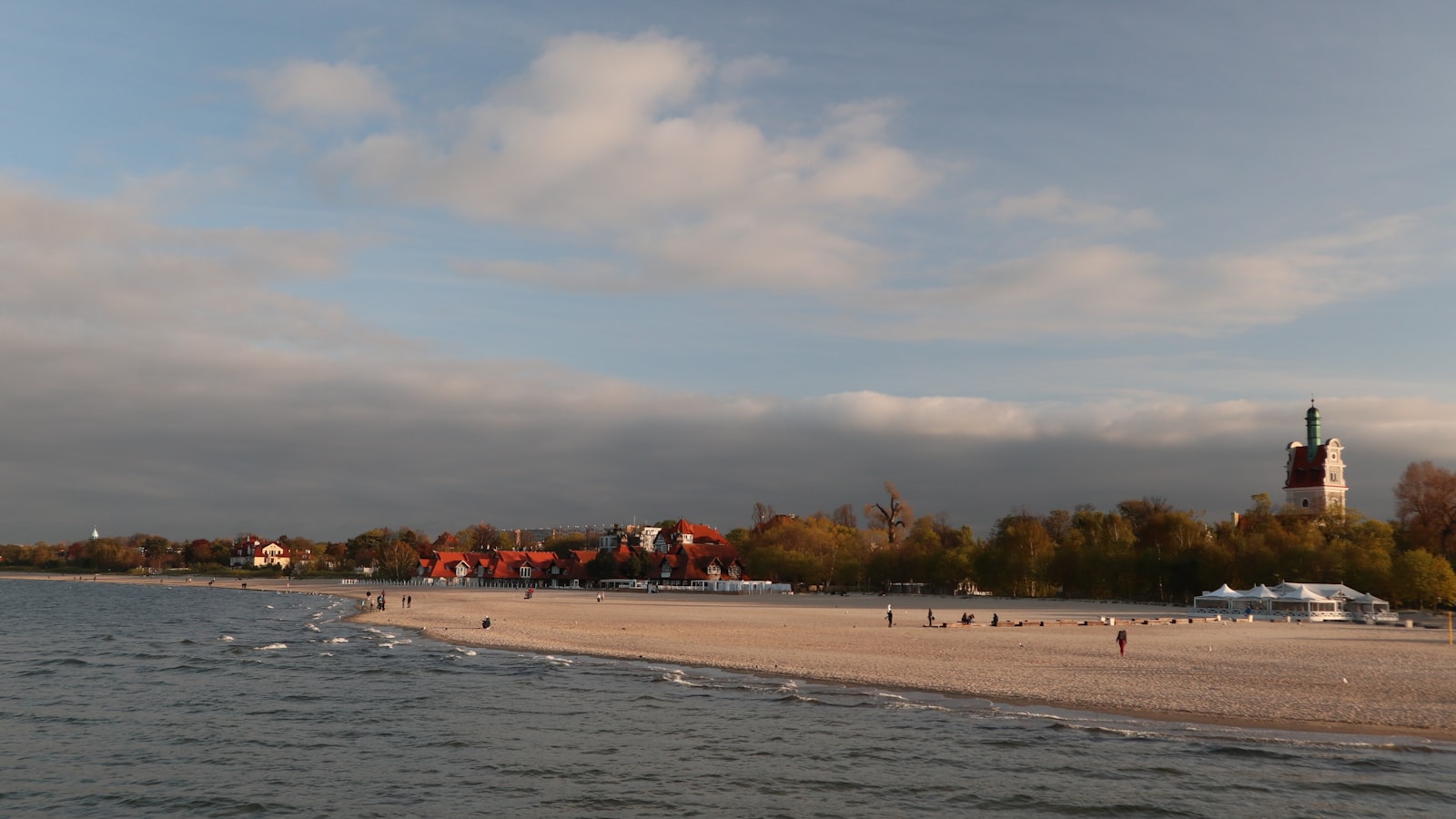
Short answer: FlixBus is reviving the cult 666 bus to Hel for the summer 2026 season. The new daily long-distance line runs from Kraków to the Hel Peninsula via Warsaw, leaving Kraków at 6:00, calling at Warsaw around 10:30 and reaching Hel before 20:00 — a roughly thirteen-hour ride to Poland's most famous sandy spit.
Few bus lines in Europe have a fan base. The 666 to Hel — a number the internet long ago nicknamed the "highway to Hel" — is one of them. Three years after the route disappeared from Polish roads, it is coming back for the 2026 summer season, this time in the green livery of FlixBus, as reported by Euronews on 30 May 2026.
Why the 666 bus to Hel is famous
The story starts with a coincidence of geography and language. Hel — spelt with a single "l" — is a small town at the tip of the Hel Peninsula, a 35-kilometre-long sandy spit on Poland's Baltic coast and one of the most visited attractions in the region. To English-speaking ears, the town's name sounds exactly like "hell", and the bus that served it for years happened to carry the number 666, widely associated with the biblical "number of the beast".
The combination proved irresistible. Tourists photographed the buses, the pictures spread across social media, and the modest seaside service operated by PKS Gdynia between Dębki and Hel became known far beyond Pomerania as "the bus to hell".
The joke did not amuse everyone. In 2023, after protests and petitions from some religious groups, the number was changed to 669 — a renumbering that made headlines in foreign media and, ironically, only added to the legend.
The new FlixBus route: Kraków to Hel via Warsaw
For summer 2026, FlixBus is bringing the number back on a much more ambitious itinerary. The new line connects Kraków, Poland's biggest tourist hub, with the Baltic coast, and the choice of route number is openly deliberate.
"It's better when a route explains by itself where it's going. In this case, there's really nothing more to say. Everyone will understand," said Michał Leman, managing director of FlixBus in Eastern Europe, quoted by the Trójmiasto.pl website.
Here is what the company has announced:
- Route: Kraków → Warsaw → Hel Peninsula, calling at Władysławowo, Chałupy, Kuźnica, Jastarnia and Jurata, among other stops.
- Frequency: daily during the 2026 summer season.
- Timetable: departure from Kraków at 6:00, arrival in Warsaw around 10:30, arrival in Hel before 20:00 — around thirteen hours in total.

The schedule is not an accident either: FlixBus says it was designed to avoid the worst traffic jams on the approaches to the peninsula, where roads and trains run at full capacity during the holiday season. The operator also notes that passengers have been actively asking for direct connections to the Hel Peninsula from Poland's major cities for several seasons.
Is a 13-hour bus ride worth it?
Thirteen hours is a serious journey, so the 666 is best seen as two routes in one. Travellers from Warsaw get a direct daytime link to the beaches of Władysławowo, Jastarnia, Jurata and Hel without changing in the Tricity. From Kraków, it is more of an experience — a slow, scenic ride to the sea on a bus whose number is the souvenir.
A long-distance coach remains one of the cheapest ways to cross Poland, and on a route like this it drops you in the heart of small resorts that have no direct long-distance rail link. If you are flexible, it pays to compare the 666 against trains to Gdynia or Gdańsk plus a local connection — you can compare bus and train options on Gopaxo for any date in one search. And if you want to keep the budget low, our guide to travelling cheaper by train in Europe applies to buses too: book early, travel mid-week and stay flexible on times.
Hel is not hell: a quick word on the name
The devilish branding is, historically speaking, a misunderstanding. The name Hel has little to do with the Anglo-Saxon hell: it derives from Old Germanic languages, in which "hel" meant a dune or coastal hill. On medieval Danish maps the peninsula even appeared as "Heel", supposedly a reference to its shape.
None of that matters much to the visitors queuing for a photo with the route number, of course. The 666 will not take anyone to hell — just to one of the prettiest stretches of the Baltic, where the reward is a 35-kilometre ribbon of dunes, pine forest and wide white beaches. For night owls, Europe's sleeper revival offers another slow-travel option — see our piece on the comeback of night trains.
In short
- FlixBus is reviving route 666 to Hel for the 2026 summer season, three years after the number disappeared.
- The new daily line runs Kraków → Warsaw → Hel, serving Władysławowo, Chałupy, Kuźnica, Jastarnia and Jurata.
- Departure 6:00 from Kraków, Warsaw around 10:30, Hel before 20:00 — about 13 hours end to end.
- The original 666, run by PKS Gdynia between Dębki and Hel, was renumbered 669 in 2023 after protests from religious groups.
- "Hel" actually comes from an Old Germanic word for dune — nothing to do with hell.
- Compare buses and trains to the Polish coast on Gopaxo.
Frequently asked questions
When does the FlixBus 666 to Hel start running?
FlixBus announced the route for the 2026 summer season, with daily departures during the holiday period. Exact start dates and tickets are available in the FlixBus booking channels and on comparison sites.
How long does the bus from Kraków to Hel take?
Around thirteen hours: departure from Kraków at 6:00, a stop in Warsaw around 10:30 and arrival in Hel before 20:00, with calls at the main peninsula resorts on the way.
Why was the 666 bus number removed in 2023?
The original operator, PKS Gdynia, renumbered the Dębki–Hel line from 666 to 669 in 2023 following protests and petitions from some religious groups who objected to the "number of the beast" serving a town called Hel.
Which seaside resorts does the new route serve?
The line calls at Władysławowo, Chałupy, Kuźnica, Jastarnia and Jurata before terminating in Hel, at the very tip of the 35-kilometre peninsula.