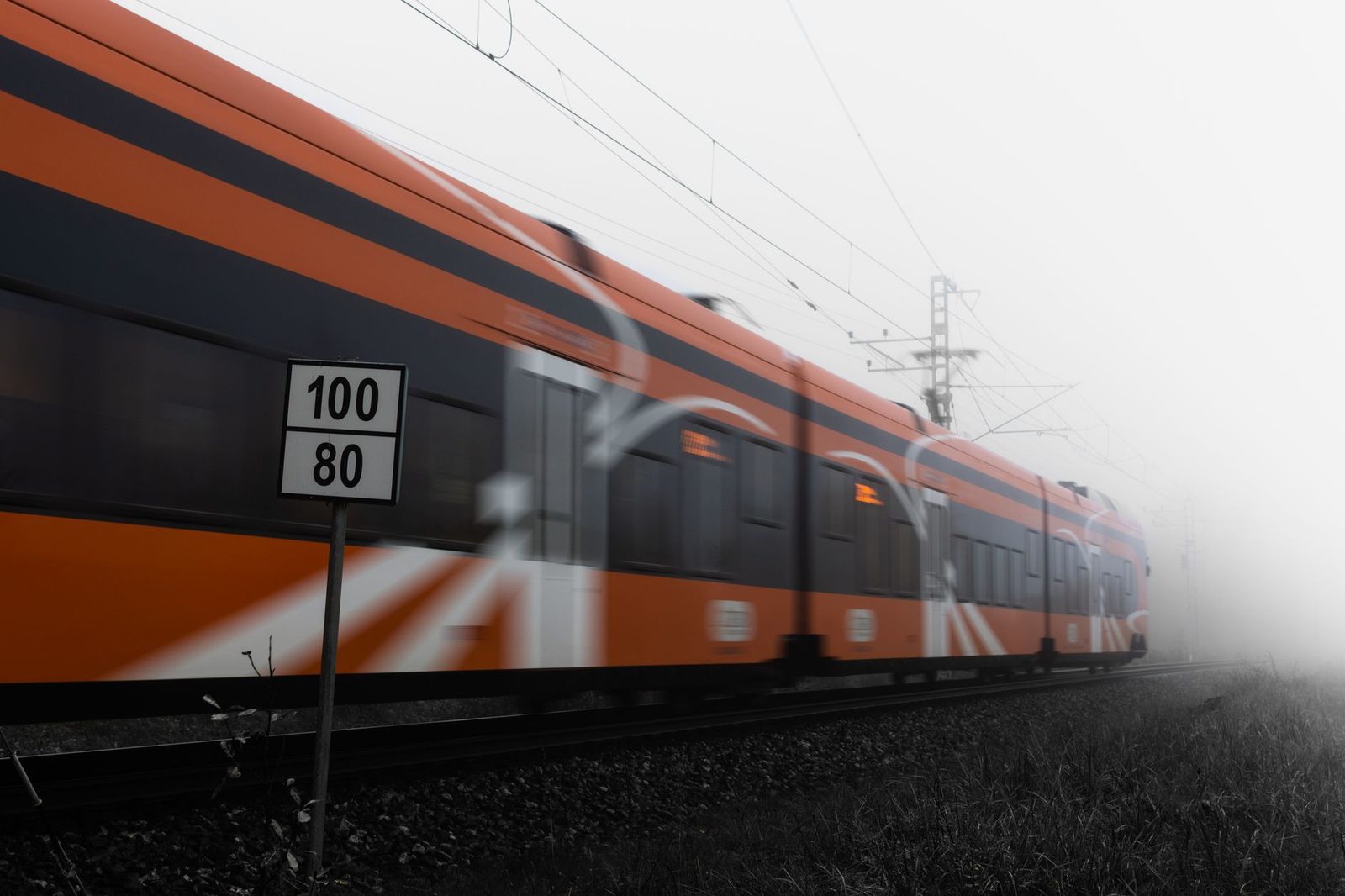
Short answer: a national SNCF strike on Wednesday 10 June 2026 is expected to disrupt TGV Inoui, Ouigo, Intercités, TER and Transilien services across France. If your train is cancelled, you are entitled to a full refund or a free exchange — and buses, carpooling and non-SNCF trains are solid back-up options for that day.
If you are travelling in France around 10 June, plan ahead now. The four representative unions at SNCF — CGT Cheminots, UNSA Ferroviaire, SUD-Rail and CFDT Cheminots — filed a joint strike notice on 6 May 2026 calling for a national day of action on Wednesday 10 June. A unified SNCF strike across all four unions is rare, which is exactly why this one could bite harder than the usual local stoppages. Here is what we know, what you are owed if your train disappears, and how to get where you are going anyway.
What we know about the SNCF strike on 10 June 2026
The strike notice covers the whole SNCF group for the day of Wednesday 10 June 2026. The unions cite internal reorganisations, the deterioration of working conditions, and a 2026 annual pay rise of 2.57% that they consider insufficient given inflation and workload.
Because the four representative unions are acting together, walkout rates could be high among train drivers, conductors and signalling staff alike. SNCF will publish its adjusted transport plan 48 to 72 hours before the strike on SNCF Connect and in the app, line by line. Until then, assume that any train running on 10 June can be cancelled or re-timed.
One detail many travellers miss: signalling staff work for SNCF Réseau, the infrastructure arm. When they strike, even trains run by other operators on French tracks — Trenitalia France or Eurostar, for example — can suffer knock-on delays, even though those companies are not on strike themselves.
Which trains are affected?
The notice concerns all SNCF Voyageurs activities in France:
- TGV Inoui and Ouigo — high-speed services usually keep a reduced timetable on strike days, but expect cancellations on every main corridor (Paris–Lyon, Paris–Bordeaux, Paris–Marseille, Paris–Lille…).
- Intercités — classic long-distance lines, including night trains, are often among the hardest hit.
- TER — regional trains; walkout rates are traditionally highest here, and some regions may run only a skeleton service or replacement buses.
- Transilien and RER — Île-de-France commuter lines operated by SNCF will also be disrupted.
International services run jointly with SNCF can be re-timed too, and even non-SNCF operators may face residual delays where signal boxes are short of staff, as explained above.
Cancelled train? Your rights to refunds and exchanges
European and French passenger-rights rules are clear when an operator cancels your train:
- Full refund, no fees — if your train is cancelled, SNCF must refund your ticket entirely, including normally non-refundable promotional fares such as Prem's tickets.
- Free exchange — on TGV Inoui and Intercités you can switch, at no cost, to another train on the same route, usually valid in the days around the strike. Seat availability rules are relaxed on strike days.
- Ouigo — the low-cost subsidiary offers a free exchange within 7 days of your original departure, or a refund as a voucher.
- Compensation — if you still travel and arrive more than an hour late, the standard delay compensation scheme applies on top.
Do not cancel anything yourself before SNCF officially cancels the train: a voluntary cancellation puts you back under the normal fare conditions, which may cost you the refund.

The best alternatives to keep travelling on 10 June
A one-day strike is the textbook case where a multimodal comparison saves your trip. The realistic options:
- Long-distance buses — FlixBus and BlaBlaCar Bus are not affected by the strike and serve hundreds of French cities. Book early: bus seats sell out fast once a strike is announced.
- Carpooling — drivers keep driving on strike days, and extra passengers mean extra rides are posted. On busy corridors like Paris–Lyon or Paris–Lille, carpooling is often the cheapest same-day fallback.
- Non-SNCF trains — Trenitalia runs its own Frecciarossa service on Paris–Lyon–Milan with its own crews. It may carry residual delays but will not be on strike.
- Shifting your travel date — the cheapest option of all. If your ticket is flexible or gets cancelled, moving to 9 or 11 June usually means a normal timetable.
To see all of these side by side — trains, buses, carpooling and flights on the same screen — compare your route on Gopaxo and pick whatever still runs at the best price.
How to prepare if you must travel that day
- Check your train from 48 hours before departure on the operator's app; that is when the adjusted strike timetable is published.
- Take the earliest departure you can. Morning trains that do run are the most reliable; disruption tends to compound during the day.
- Book a back-up bus or carpool seat now if your trip is critical — refundable or cheap enough to abandon if your train survives.
- Keep all receipts if you incur extra costs, and claim your refund or exchange as soon as the cancellation is confirmed.
- Travel light and allow margin for connections — a 20-minute buffer is not enough on a strike day.
Strike days reward travellers who compare instead of waiting. Our guide to travelling cheaper by train has more on flexible tickets that make disruption like this painless.
In short
- National SNCF strike on Wednesday 10 June 2026, called jointly by CGT Cheminots, UNSA Ferroviaire, SUD-Rail and CFDT Cheminots.
- TGV Inoui, Ouigo, Intercités, TER, Transilien and RER are all affected; the adjusted timetable appears 48–72 h before on SNCF Connect.
- Cancelled train = full refund (even Prem's) or free exchange; Ouigo exchanges free within 7 days.
- FlixBus, BlaBlaCar Bus, carpooling and Trenitalia's Paris–Lyon–Milan trains keep running.
- Compare every remaining option in one search on Gopaxo before seats run out.
Frequently asked questions
Will all SNCF trains be cancelled on 10 June 2026?
No. Even on major strike days SNCF runs a reduced service, typically prioritising high-speed lines. The exact plan is published 48 to 72 hours ahead on SNCF Connect, line by line — check your specific train rather than assuming the worst.
My train was cancelled because of the strike. Do I get my money back?
Yes. A train cancelled by the operator entitles you to a full, fee-free refund — including promotional and normally non-refundable fares — or a free exchange to another departure. Ouigo offers a free exchange within 7 days or a voucher refund.
Are buses and carpooling affected by the SNCF strike?
No. Long-distance coaches such as FlixBus and BlaBlaCar Bus, and carpooling drivers, are completely independent of SNCF. They are the most reliable alternatives on 10 June — but seats go quickly once a strike is announced, so book ahead.
How do I find the cheapest way to travel during the strike?
Compare all modes at once. A search on Gopaxo shows the remaining trains, buses, carpooling and flights for your route on the same screen, so you can grab the cheapest seat that still runs instead of refreshing a single operator's site.
One strike day should not sink your trip. Check your train as soon as the timetable drops, know your refund rights, and have a bus or carpool seat ready as plan B.