Short answer: The Budapest–Belgrade direct train is set to return in 2026 on a fully rebuilt 350 km line. Once signalling is cleared, modern Serbian SOKO trains will link Budapest Keleti and Belgrade Centar in about 3 hours 15 minutes, down from eight hours before. Direct services were due back in March 2026 but slipped to at least June because of the new ETCS system; until then you can already make the trip with one easy change.
For the first time in years, travelling between two of Central Europe's most underrated capitals by rail is about to get dramatically faster. The Budapest–Belgrade direct train — suspended since 2019 while the whole line was rebuilt for 200 km/h running — is the centrepiece of a cross-border upgrade that reshapes how you reach the Balkans without flying. Here is exactly where the project stands in mid-2026, what the journey will look like, and how to travel the route right now.
Why the Budapest–Belgrade direct train matters
The 350-kilometre line between the Hungarian and Serbian capitals is the northern leg of the planned Budapest–Belgrade–Skopje–Athens corridor, a strategic route stitching Central Europe to the Aegean. Before the rebuild, direct express trains crawled over ageing single-track sections and took the best part of a day. Passenger services were pulled in 2019 so the whole alignment could be modernised.
The payoff is significant. The reconstructed track is designed for up to 200 km/h on the Serbian section and 160 km/h on the Hungarian side. When direct trains resume, the scheduled Budapest–Belgrade time drops to roughly 3 hours 15 minutes — turning an overnight-length slog into a comfortable day trip and making the train a credible alternative to short-haul flights. If you want to see how rail keeps clawing back routes from planes, our piece on the return of night trains across Europe sets the wider scene.
What's new for 2026 — and what's delayed
Here is the honest picture. Direct express trains were officially due to restart in March 2026, but problems certifying the new ETCS (European Train Control System) signalling pushed the launch back to at least June 2026, and the exact date has kept moving. The infrastructure is essentially finished; the hold-up is the safety authorisation for the control system, which needs a compliance review before trains can run at speed.
When the direct service does open, the plan is generous:
- SOKO trains every four hours linking Budapest Keleti and Belgrade Centar in about 3h15–3h20.
- Two daily EuroCity trains with a restaurant car running Vienna–Budapest–Belgrade, extending the fast link deep into Austria.
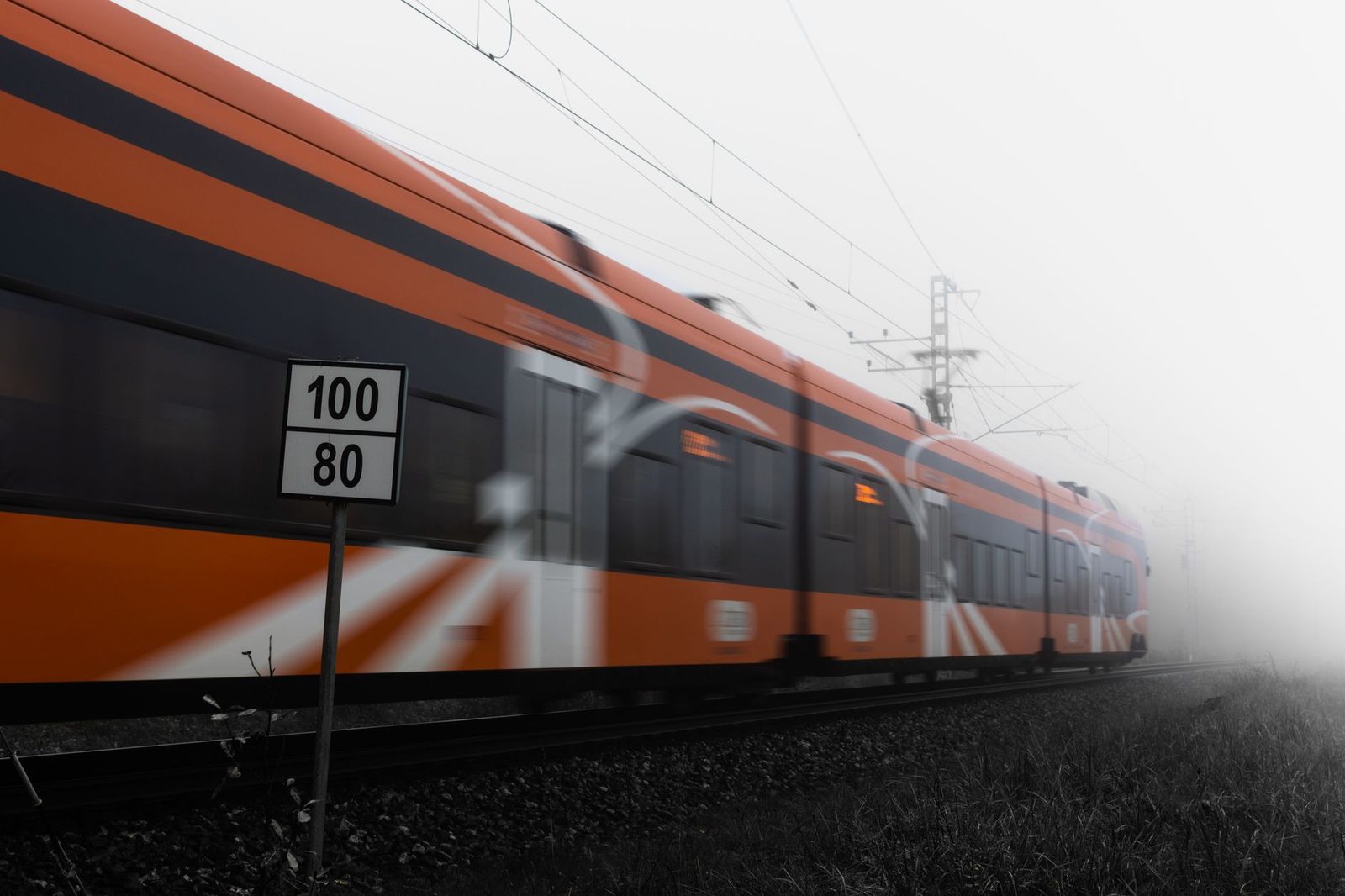
The rolling stock is the star. Serbia's SOKO trains — soko means "falcon" — are sleek double-deck units built by Switzerland's Stadler, capable of 200 km/h with air conditioning, power sockets at every seat, free Wi-Fi and onboard refreshments in first and second class. They already run inside Serbia and are exactly what a modern cross-border corridor needs.
How to travel Budapest to Belgrade right now
You don't have to wait for the ribbon-cutting. Since October 2025 a fast indirect service has bridged the gap, so the journey is fully doable today with a single, simple change of trains. The route runs:
- Budapest → Szeged on a comfortable Hungarian InterCity train (air-conditioned, 1st and 2nd class, café-bar, Wi-Fi, power sockets).
- Szeged → Subotica on a short cross-border local train, where Hungarian and Serbian border guards check passports on board.
- Subotica → Belgrade on a 200 km/h double-deck SOKO, via Novi Sad.
Hungarian Railways (MAV) sells a through ticket for the whole journey, so you buy once and change trains along the way. It's a preview of the seamless direct trip to come — and a reminder that the hardware is already in place, even before the timetable catches up. You can weigh the train against buses and carpooling for the same dates when you compare your route on Gopaxo.
What it costs
Fares on this corridor are refreshingly cheap by Western European standards. Buy a through ticket from MAV and Budapest–Belgrade starts at about €26 in second class in limited-availability advance buckets, rising to roughly €45.60 at the full walk-up price on the day. Splitting the booking across the three legs can sometimes come out cheaper and also unlocks first-class seats on the Hungarian InterCity — handy if you value the café-bar and reserved seating.
Interrail and Eurail pass holders are covered on all these trains, with a small seat reservation required on the InterCity and on the SOKO. For a broader look at how far a rail pass can stretch this summer, see our guide to the Eurail Global Pass summer sale.
Is it worth planning around?
If your trip is flexible, yes. The indirect service already delivers a scenic, affordable ride through the Hungarian plain and Serbian Vojvodina, and the direct train — whenever ETCS is finally signed off — will make Budapest–Belgrade one of the great value day journeys in Europe. The sensible approach is to book the current through ticket if you're travelling soon, and to keep an eye on official timetables if you're holding out for the one-seat ride. Either way, the corridor is a textbook example of a slow-burn rail project finally coming good.
Frequently asked questions
When will the Budapest–Belgrade direct train run again?
Direct express trains were due to resume in March 2026 but were delayed to at least June 2026 because the new ETCS signalling still needs safety authorisation. The exact restart date has repeatedly shifted, so check official timetables close to travel.
How long does the Budapest–Belgrade train take?
Once direct trains resume, the scheduled time is about 3 hours 15 minutes, compared with roughly eight hours before the line was rebuilt. Travelling today via Szeged and Subotica takes longer because of the connection.
Can I already travel from Budapest to Belgrade by train?
Yes. Since October 2025 you can travel with one change: Budapest to Szeged by InterCity, Szeged to Subotica by local train, then a fast SOKO from Subotica to Belgrade via Novi Sad. Hungarian Railways sells a single through ticket.
How much does a Budapest–Belgrade train ticket cost?
A through ticket from MAV starts at around €26 in second class in advance, rising to about €45.60 at the full walk-up fare. Splitting the booking across legs can be cheaper and adds first-class options.
What trains run on the line?
The route uses Serbia's SOKO trains — 200 km/h double-deck units built by Stadler — plus Hungarian InterCity trains on the northern legs. Two daily EuroCity services are planned to extend the direct link to Vienna.
In short
- The Budapest–Belgrade direct train returns in 2026 on a rebuilt 350 km line, part of the Budapest–Belgrade–Skopje–Athens corridor.
- Direct trains were due in March 2026 but slipped to at least June 2026 over ETCS signalling certification.
- Scheduled journey time will be about 3h15, down from ~8 hours.
- Modern SOKO trains (Stadler, 200 km/h, double-deck) run Budapest–Belgrade every four hours, plus two daily Vienna–Budapest–Belgrade EuroCity trains.
- You can already make the trip today via Szeged and Subotica with one MAV through ticket, from about €26.
Planning a Balkans adventure this year? Compare trains, buses and carpooling on Gopaxo and lock in the smartest way from Budapest to Belgrade.