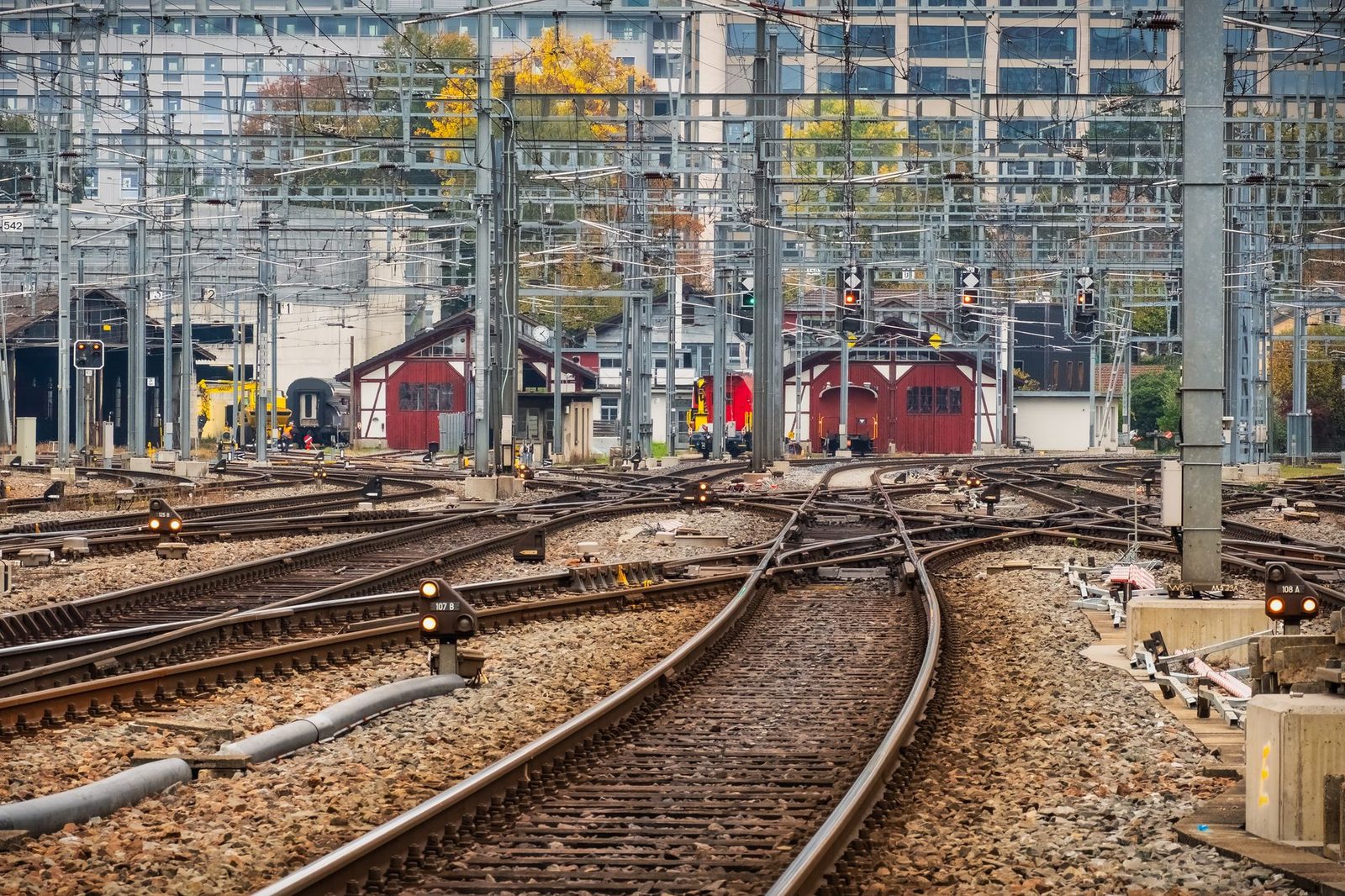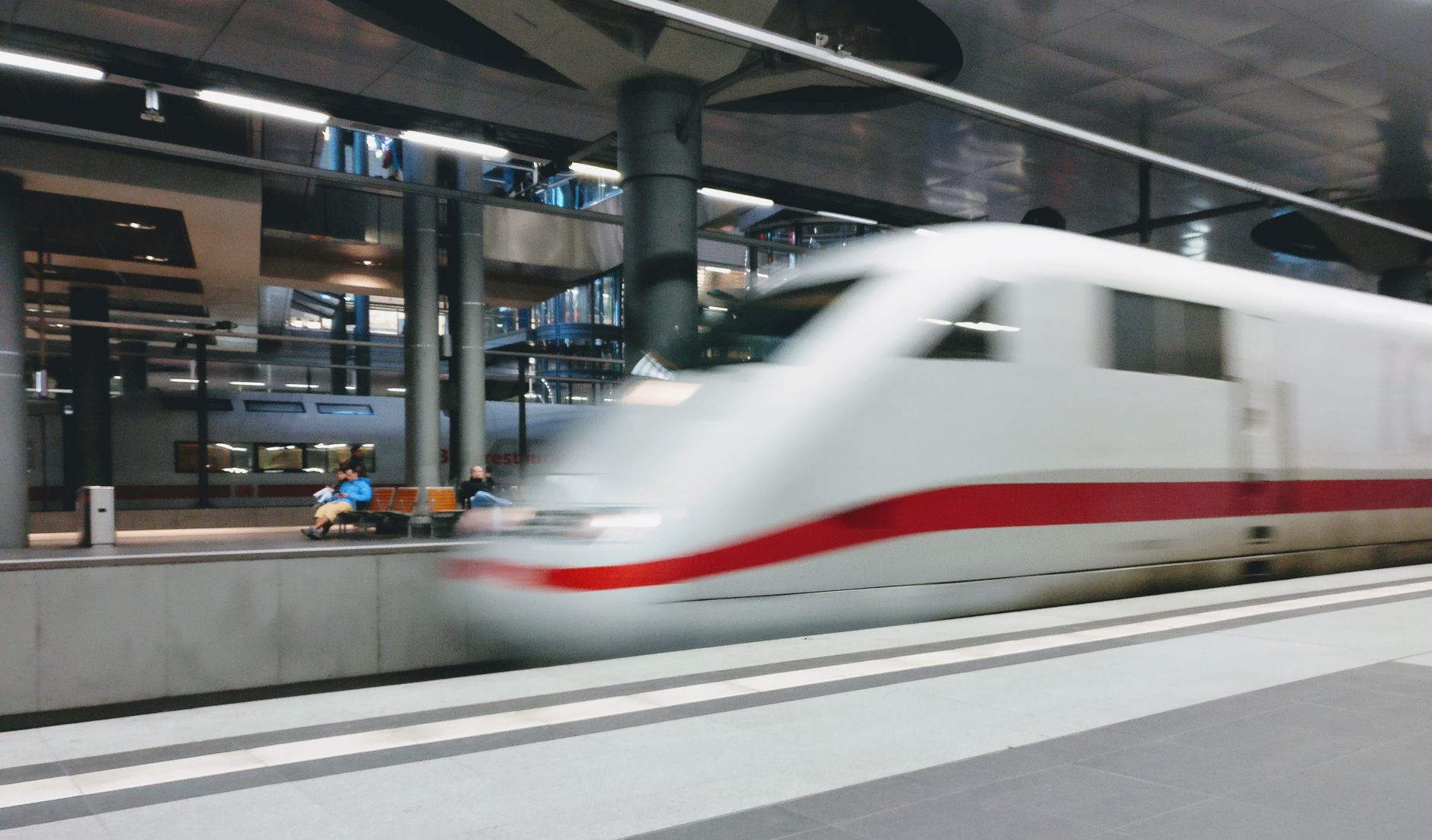
Quick answer: Starting in 2026, the European Union is strengthening protections for travelers using intermodal transport (a combination of train, bus, plane, or ride-sharing). The primary goal is to ensure that passengers benefit from single, consistent protection, even when switching operators or modes of transport, notably through the gradual introduction of the single ticket concept and the harmonization of compensation for delays.
For a long time, European travelers faced a legal vacuum: a train delay leading to a missed bus or plane connection often resulted in no compensation, as each operator denied responsibility. Following the negotiating positions adopted in late 2024, the EU Council has accelerated the implementation of strict standards to transform the cross-border traveler experience.
The Challenge of the "Missing Link" in European Mobility
Intermodal transport involves using several modes of transport for a single journey. While technology is advancing (such as new Nordic rail links or the TGV M), the administrative side has remained archaic. Until recently, buying a train ticket from one company and a bus ticket from another meant accepting total risk in the event of an unforeseen disruption.
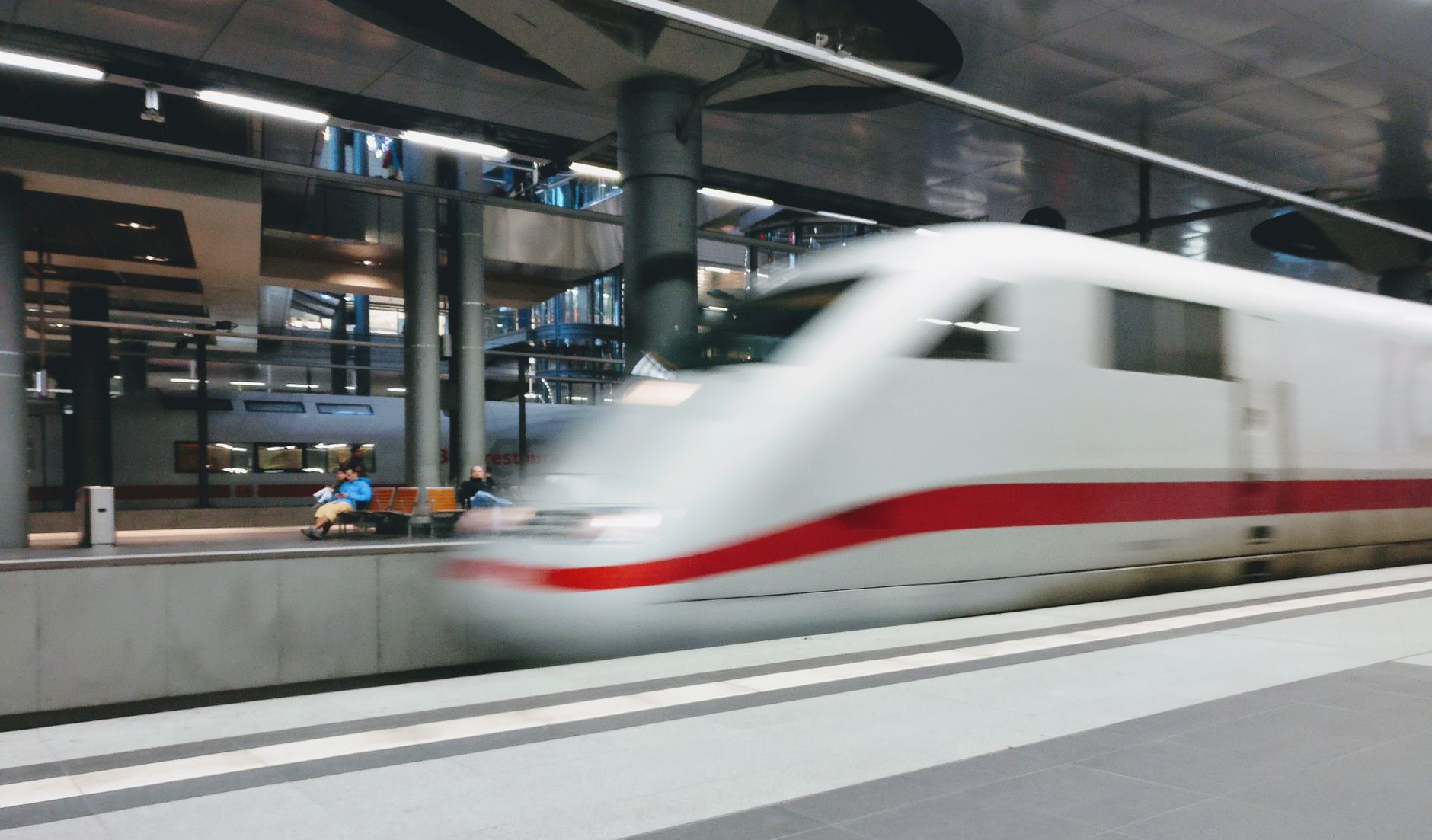
The lack of coordination between operators (SNCF, Deutsche Bahn, FlixBus, etc.) created financial insecurity for the traveler. New European directives aim to bridge this gap by establishing shared responsibility. The idea is simple: the traveler should not be penalized because their itinerary is "multimodal."
What Specifically Changes for You in 2026
Legislative developments focus on three fundamental pillars: ticketing, assistance, and compensation.
1. Toward a European Single Ticket
The single ticket concept is no longer just a technological dream, but a political requirement. The EU is pushing member states to facilitate the sale of combined transport tickets. This means a single transport contract links the passenger to their final destination, regardless of the number of companies involved.
2. Harmonization of Refund Rights
In the event of a major delay on the first segment of an intermodal trip, the new rules mandate:
- Free coverage of the following segment if the delay is attributable to the operator.
- Full refund of the trip if the passenger decides to abandon their journey following a major disruption.
- Standardized assistance (meals, refreshments, and accommodation) even during transfers between a train and a bus, for example.
3. Information Transparency
The EU Council has insisted on the right to real-time information. Operators must now communicate disruptions proactively across all channels, allowing travelers to reorganize their intermodal journey before even arriving at the station.
Comparison: Old System vs. New 2026 Framework
| Situation | Before 2026 (Fragmentation) | From 2026 (Harmonization) |
|---|---|---|
| Train delay → Missed Bus | Passenger pays for a new ticket. | Coverage or refund of the segment. |
| Ticket Purchase | Multiple sites, multiple accounts. | Convergence toward single-ticket platforms. |
| Compensation | Depends on the specific regulation of each mode. | Common framework for intermodal trips. |
| Station Assistance | Limited to the operator of the current ticket. | Responsibility extended to the overall journey. |
The Impact on Choice of Transport Modes
These measures are not merely administrative; they are a game-changer for those seeking the cheapest options. By securing connections, the EU makes the "train + bus" or "train + ride-sharing" combo much more attractive compared to flying.

For example, a traveler going from Paris to Prague via train to Munich and then a bus to the Czech Republic no longer has to fear losing their bus ticket if the train is delayed by 30 minutes. This psychological security is the essential driver for the transition toward more sustainable mobility.
How to Assert Your Rights Today?
Although laws are being harmonized, implementation may vary by country. To maximize your chances of success in a dispute:
- Keep all proof of purchase: Save your tickets and booking confirmations, even digital ones.
- Document the delay: Take a photo of the station display board or request an official delay certificate from the operator.
- Consult national authorities: In France, organizations like the DGCCRF or tourism mediators can intervene if an operator refuses to apply European standards.
- Use multimodal comparators: By choosing platforms that bundle offers, you often have a single point of contact to facilitate your claims.
Expert Opinion: Intermodality is the key to decarbonizing European transport. However, the success of these measures will depend on the willingness of private operators (such as FlixBus or low-cost airlines) to fully integrate into this shared responsibility system with public operators like SNCF or DB.
Conclusion: A Seamless Journey
The strengthening of passenger rights in 2026 marks the end of the era where the traveler alone bore the risk of the connection. By transforming intermodal travel into a guaranteed service, the European Union is removing one of the last barriers to slow and sustainable travel. Whether you are heading for a weekend in Berlin or crossing over to Lisbon, the promise is now a fluid journey, where changing transport modes is no longer a source of anxiety, but simply a step in your adventure.