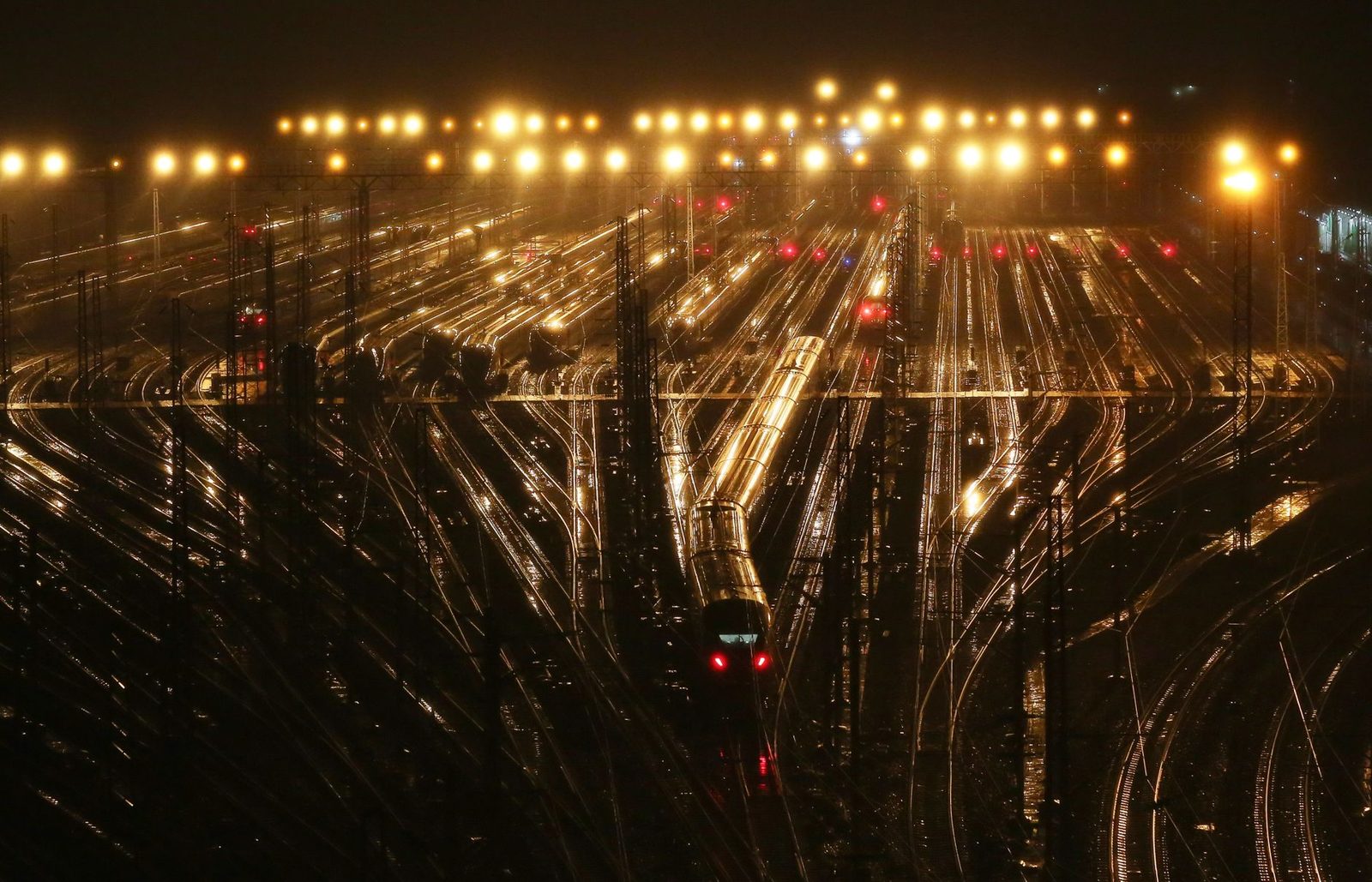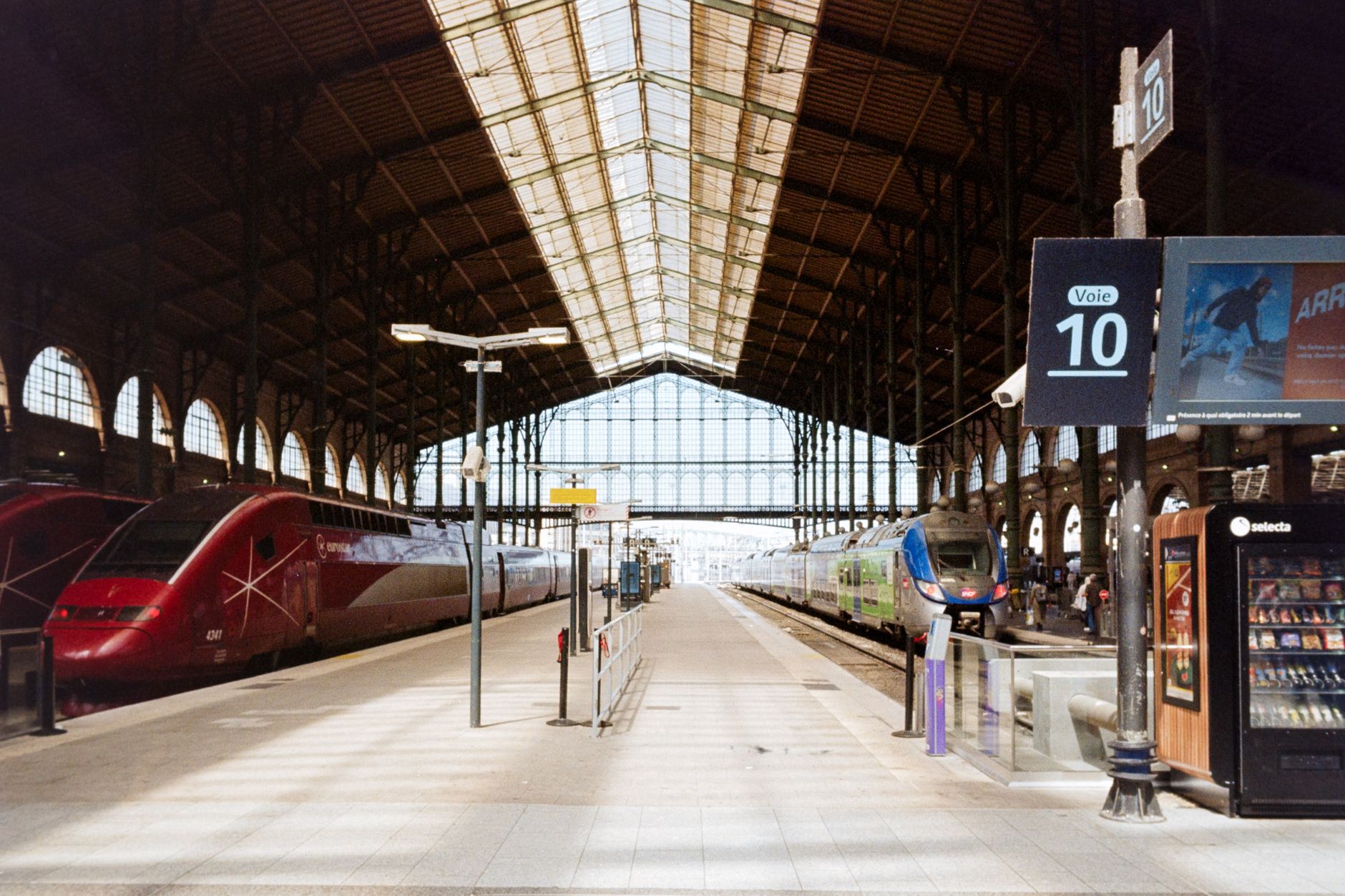
Short answer: in 2026, the choice between train and plane in Europe is no longer just about price, but a trade-off between door-to-door time and price stability. While planes remain unbeatable for very long distances, trains are gaining ground thanks to rising aviation fuel costs and the rollout of new direct lines, although fragmented ticketing and uncompensated delays remain major deterrents for travelers.
The European transport landscape has suffered a brutal shock in recent months. On one hand, airlines are facing unprecedented volatility in kerosene prices, leading to massive cancellations and price hikes. On the other, rail is experiencing a paradox: a strong political will for decarbonization and the opening of spectacular lines, but a user experience still hampered by obsolete booking systems.
Travel Cost: The End of the "€20 Plane Ticket"?
The era when you could get from Paris to Barcelona or Berlin for the price of a meal seems to be fading. In 2026, pressure on fuel prices is weighing heavily on low-cost carriers. As Le Figaro points out, soaring airfare is pushing an increasing number of travelers to turn to rail for their European weekends.
Price Structure Comparison
| Criterion | Plane (Low-cost/Standard) | Train (TGV/ICE/Nightjet) |
|---|---|---|
| Starting Price | Constantly rising in 2026 | Stable, but varies by booking lead time |
| Hidden Fees | Luggage, seat selection, airport transfers | |
| Stability | Very volatile (depends on kerosene) | More predictable via subscriptions/offers |
| Flexibility | Changes are often costly | More flexible modification options (depending on fare) |
Train travel is thus becoming a credible option—not because it has suddenly become "cheap," but because planes have lost their competitive edge on trips under 800 kilometers.

Travel Time: The "Hidden Time" Trap
The main argument for flying is speed. However, in 2026, the calculation of total travel time (door-to-door) tends to balance the scales for intra-European trips.
The Plane: Relative Speed
Planes win on pure distance but lose on logistics:
- Transfers: The trip to airports (often remote) and the return to the city center.
- Checks: Waiting at security checks and boarding (allow 2 to 3 hours in advance).
- Unpredictability: Massive cancellations due to operating costs, recently reported by Le Monde, significantly extend the actual travel duration.
The Train: City Center Fluidity
The train drops the traveler in the heart of the city. With the acceleration of certain lines (such as Paris-Munich starting December 2026) and the return of night trains, transport time is optimized. Traveling by night, in particular, allows travel time to be converted into rest time, thus eliminating the cost of a hotel night and optimizing the traveler's schedule.
The "Obstacle Course": Why Rail Still Struggles
Despite the ecological and economic appeal, European rail suffers from a deep-seated issue: fragmentation. A report relayed by Ouest-France and Radio France describes train travel in Europe as a true "obstacle course."
The Three Major Hurdles for Rail in 2026
- Lack of Direct Routes: To connect two European cities, travelers still too often have to deal with three or four changes, multiplying the risk of delays.
- Ticketing Jungle: The absence of a generalized single ticket forces travelers to juggle between multiple sites (SNCF, DB, Renfe, ÖBB), with sometimes incompatible interfaces.
- Unreliable Connections: When a train is delayed and the traveler misses a connection with another operator, compensation remains rare and complex to obtain. This feeling that "everything is designed to discourage us" has been widely reported by RMC.

Ecological Impact: Beyond the Discourse
Sustainable tourism is no longer an option, but a necessity. According to Que Choisir, the train is the only credible alternative for massively reducing the carbon footprint of tourist travel in Europe.
Planes emit on average 10 to 50 times more CO2 per passenger per kilometer than trains. In 2026, with the implementation of stricter carbon taxes and increased traveler awareness, choosing rail becomes a political and ethical act. However, for this shift to be massive, infrastructure must keep pace: investments in cross-border lines (such as the new Nordic connections) are essential to make trains attractive compared to the apparent simplicity of a direct flight.
2026 Verdict: How to Choose?
To optimize your next trip to Europe, here is the recommended decision matrix for 2026:
Choose the TRAIN if:
- Your trip is less than 700-800 km.
- You are traveling to city centers.
- You wish to reduce your carbon footprint.
- You have the option to travel by night to save a day.
- You are traveling with bulky luggage (fewer restrictions than low-cost air travel).
Choose the PLANE if:
- You are crossing the continent (e.g., Lisbon to Warsaw).
- You have an absolute time constraint and a flexible budget to offset price increases.
- You find a direct flight where the train would require more than three changes.
Expert Tip: To bypass the railway "obstacle course," use multimodal comparators. They allow you to see at a glance if a bus + train combination is faster or cheaper than a flight, while identifying the riskiest segments of your itinerary.
In conclusion, 2026 marks a transition year. Flying is no longer the default choice for price, and the train is no longer just the choice for ecology. It is now a battle of comfort and reliability. Until the single ticket and inter-operator coordination are fully effective, caution remains advised when planning complex journeys.