Short answer: To counter frequent disruptions in 2026 (strikes, snow, breakdowns), the key is multimodality. By combining train, bus, and ride-sharing bookings into a single travel strategy, and by knowing your refund rights (via European regulations), you can turn a blocked route into a viable alternative without blowing your budget.**
Traveling in Europe in 2026 has become a paradox: we have never had so many sustainable transport options, yet we have never been so exposed to instability. Between episodes of snow and ice paralyzing Île-de-France and Brittany, and repeated public transport strikes in Germany or France, the traveler must now be their own crisis manager.
Recent experience has shown us: a weekend of RATP and SNCF disruptions can turn a simple trip from Paris to the provinces into a logistical nightmare. In the face of this, the "single ticket" approach and intermodal flexibility are no longer options, but necessities.
Anticipating Risks: The Disruption Calendar
To minimize risks, it is essential to understand the two main factors blocking the current European network.
1. Climate Hazards: The New Challenge
The beginning of 2026 was marked by particularly disruptive episodes of snow and ice. In Île-de-France, as seen in January, bus lines are often the first to be restored, while RER and regional trains remain paralyzed by frozen switches.
Expert Tip: In the event of heavy snow, don't bet everything on the rail. Long-distance buses (such as FlixBus) often have more agile rerouting plans, even if travel times increase.
2. The Social Climate: Strikes and Movements
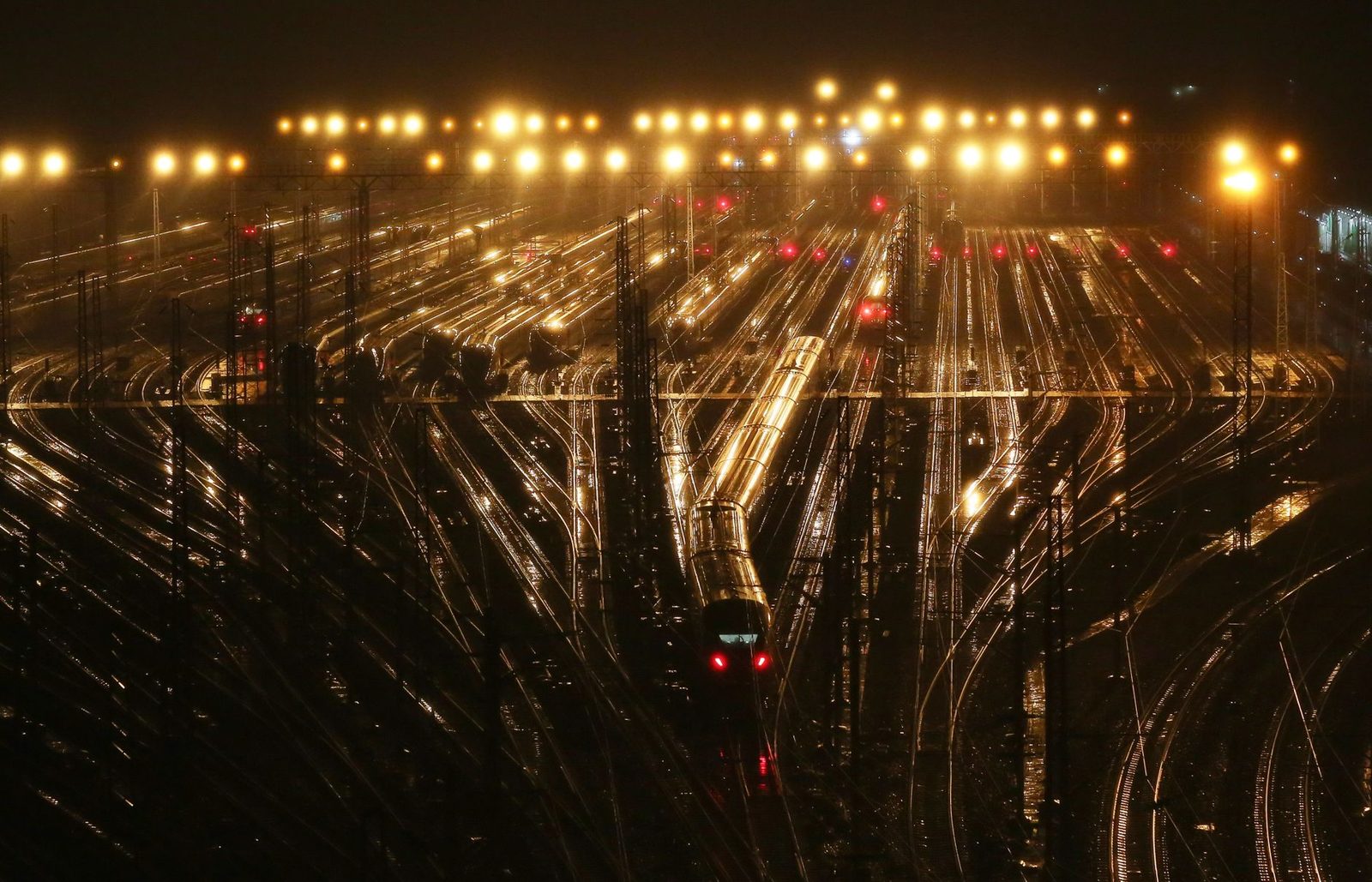
From France to Germany, social movements remain a major point of friction. Public transport strikes in Germany, scheduled regularly in 2026, show that even the most robust networks can collapse. The major risk is the domino effect: a strike on a major axis (such as Frankfurt or Munich) can block connections to Austria or Italy.
The Multimodal Strategy: The Traveler's Shield
The classic mistake is to book an "all-train" or "all-plane" trip. In 2026, the winning strategy is the hybrid combination.
Why combine modes of transport?
The idea is simple: if one mode of transport fails, another must be available.
| Mode of Transport | Strength in a Crisis | Weakness |
|---|---|---|
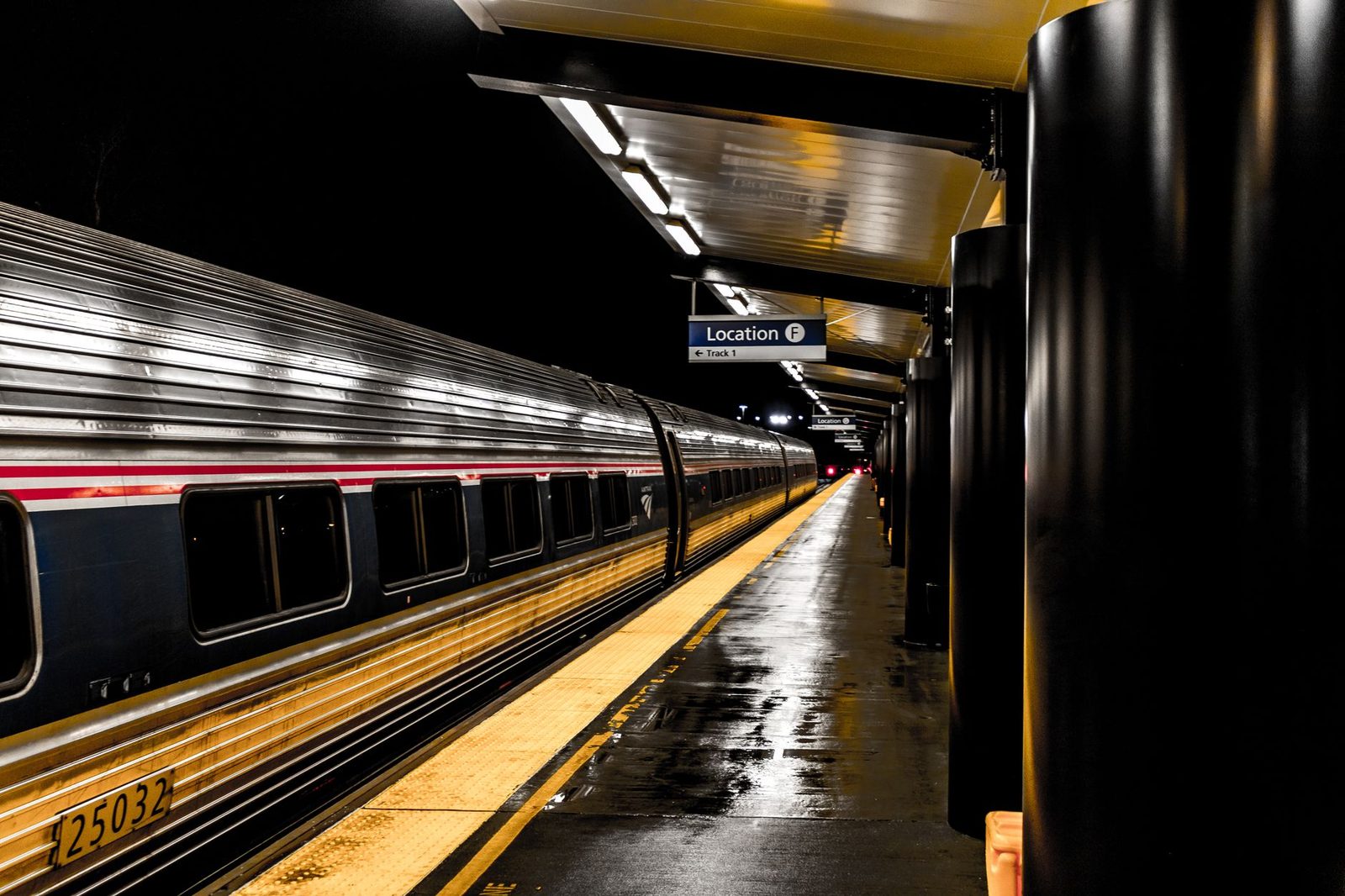
| Train | Speed and comfort | Very vulnerable to strikes and frost |
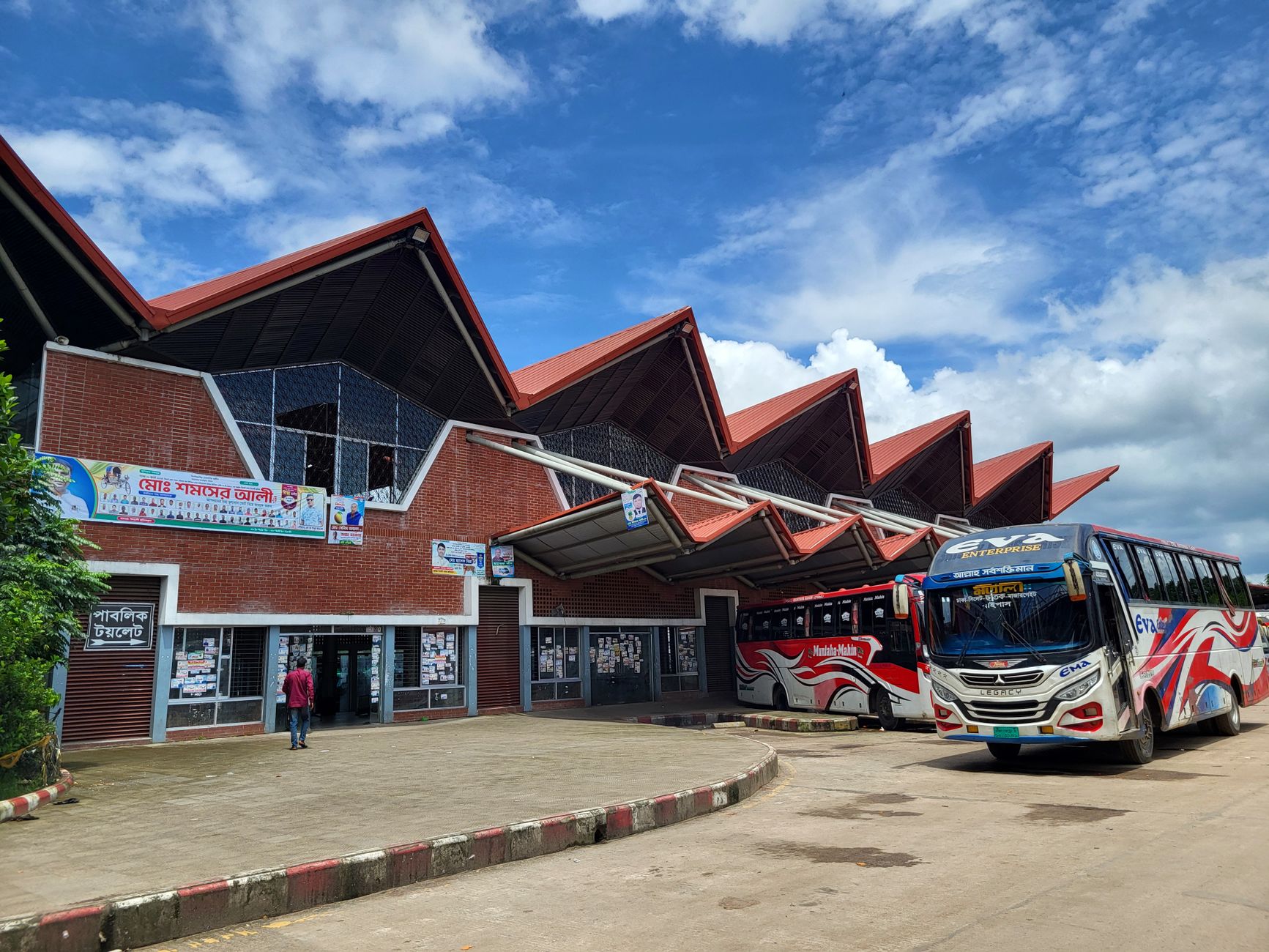
| Bus | Geographic coverage, price | Sensitive to traffic jams and snow |
| Ride-sharing | Total flexibility, point-to-point | Dependence on the driver's mood |
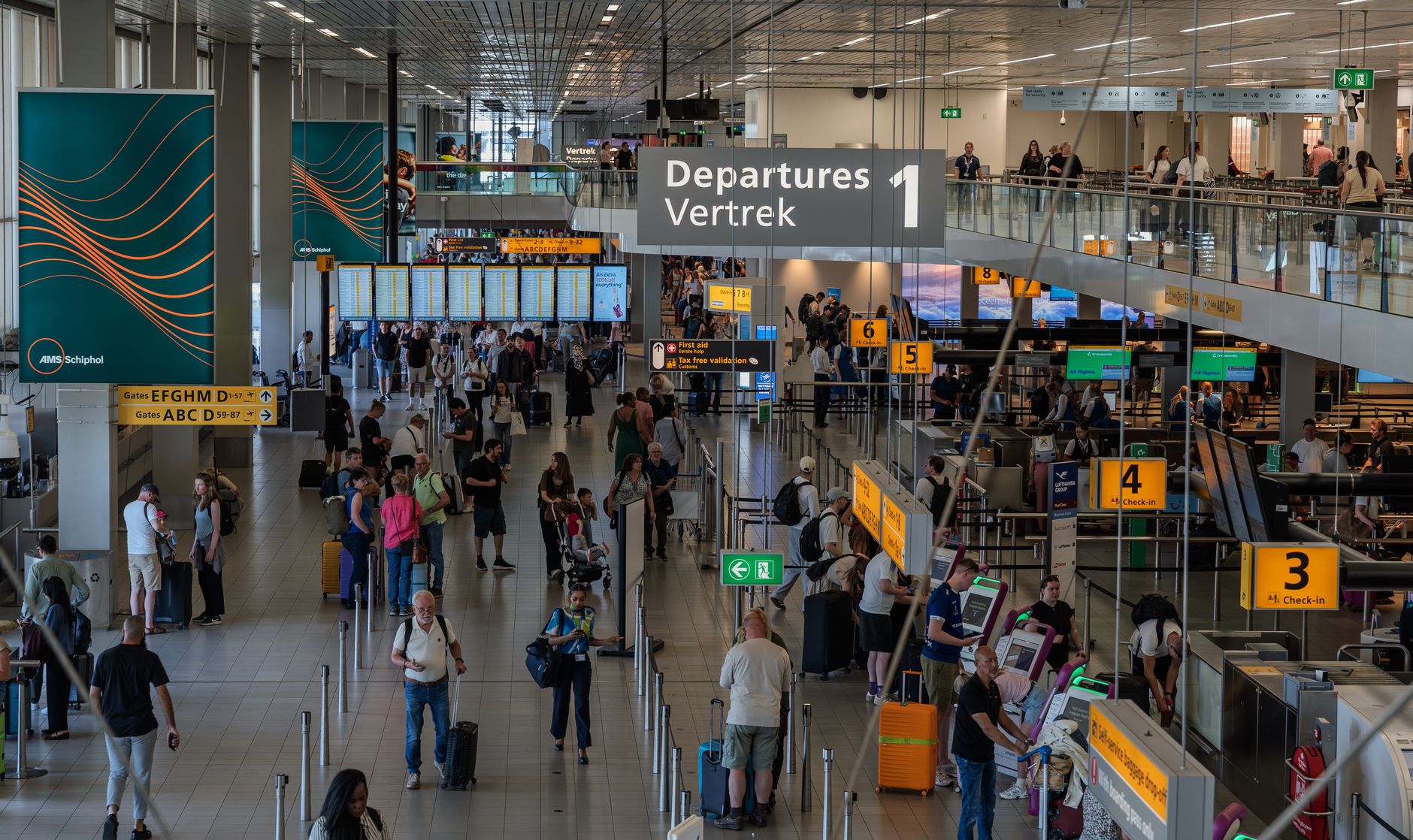
| Plane | Fast for long distances | Sensitive to extreme weather conditions |
Concrete Example of a Backup Plan
Imagine a trip from Paris to Berlin.
- Plan A (Ideal): TGV train then ICE.
- Plan B (Rail Disruption): Long-distance bus from Paris to a relay city (e.g., Strasbourg), then ride-sharing to Berlin.
- Plan C (Maximum Emergency): Low-cost flight departing from a secondary airport to avoid saturation at main hubs.
Know Your Rights: Don't Leave Your Money with the Carrier
Faced with a canceled train or a scrapped bus, many travelers ignore their legal remedies. In Europe, passenger rights are harmonized, but their application requires vigilance.
European Regulation on Passenger Rights
Whether you travel with SNCF, Deutsche Bahn, or Trenitalia, you benefit from strict protections:
- The right to a refund or rerouting: If your train is canceled, the carrier must offer you another route or refund the full price of the ticket.
- Assistance: In the event of a significant delay (generally more than 2 hours), the carrier must provide refreshments and, if necessary, hotel accommodation.
- Compensation: For arrival delays exceeding 60 minutes, you may be entitled to financial compensation (often 25% of the ticket price for a delay of 60 to 119 minutes).
Warning: "Extraordinary circumstances" (major natural disasters) may be invoked by companies to avoid paying compensation, but they are never exempt from the obligation to reroute the passenger.
Tools and Habits for Stress-Free Travel in 2026
To stop suffering from disruptions, adopt these three digital habits:
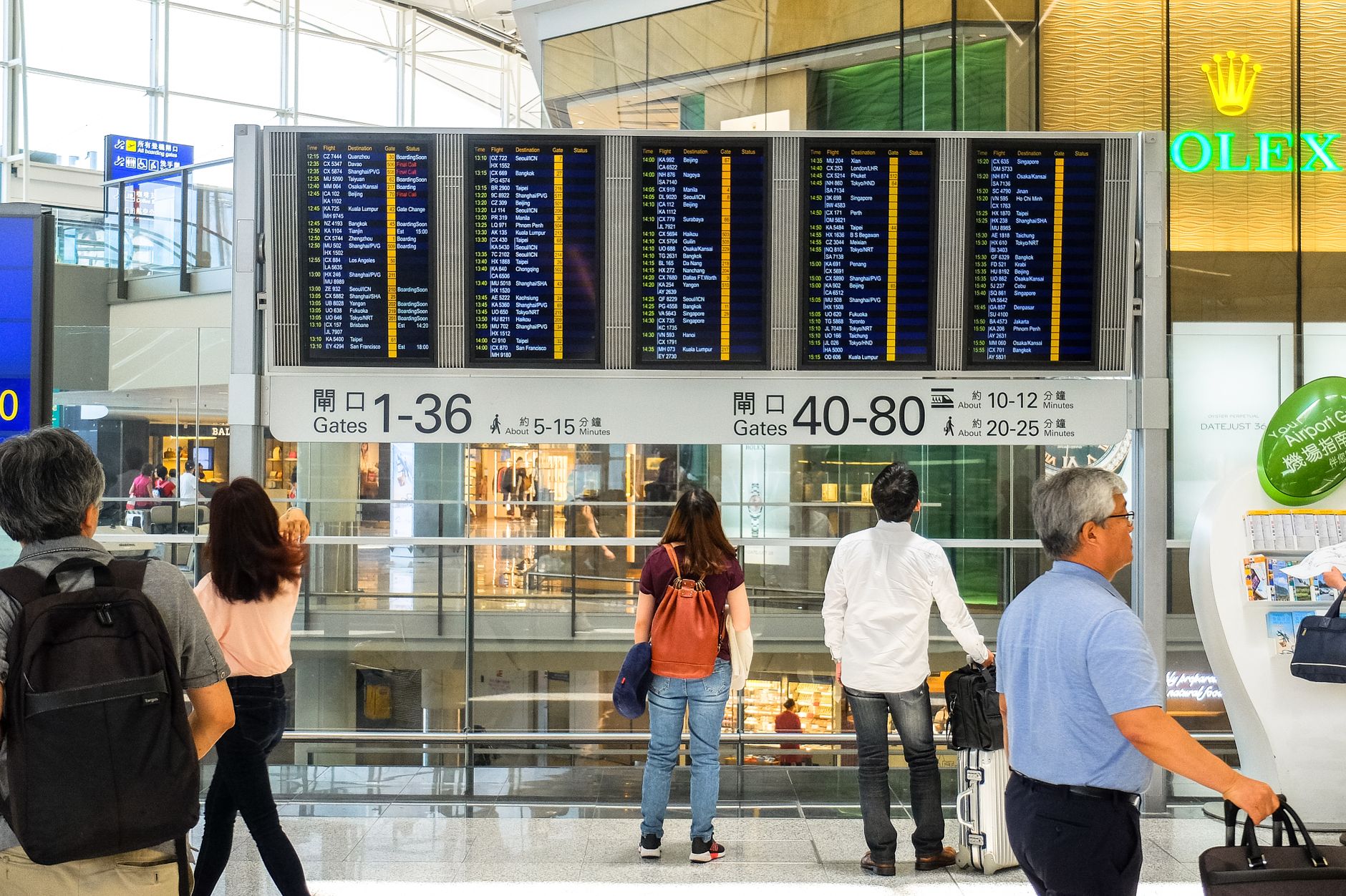
- Real-time alerts: Do not rely solely on station displays. Use the operators' mobile apps, but cross-reference them with social media (X/Twitter) where information about strikes often circulates faster.
- Flexible booking: Prioritize "changeable" or "refundable" tickets, even if they cost a few euros more. In 2026, peace of mind has a price, but it prevents the total loss of a non-flexible ticket.
- Multimodal comparator: Use tools that allow you to simultaneously view trains, buses, and ride-sharing. This makes it possible to identify the cheapest and fastest alternative at a glance as soon as a disruption alert drops.
Conclusion: Toward More Resilient Mobility
The transport landscape in Europe is evolving. While infrastructure is improving (such as the Finland-Sweden link project for the EU's longest rail journey), the system's fragility in the face of social and climate crises remains real.
The 2026 traveler is no longer just a customer; they are an architect of their journey. By accepting to mix modes of transport and staying informed about their rights, it is possible to continue exploring the continent at a lower cost, without a single snowflake or a strike notice ruining the adventure.