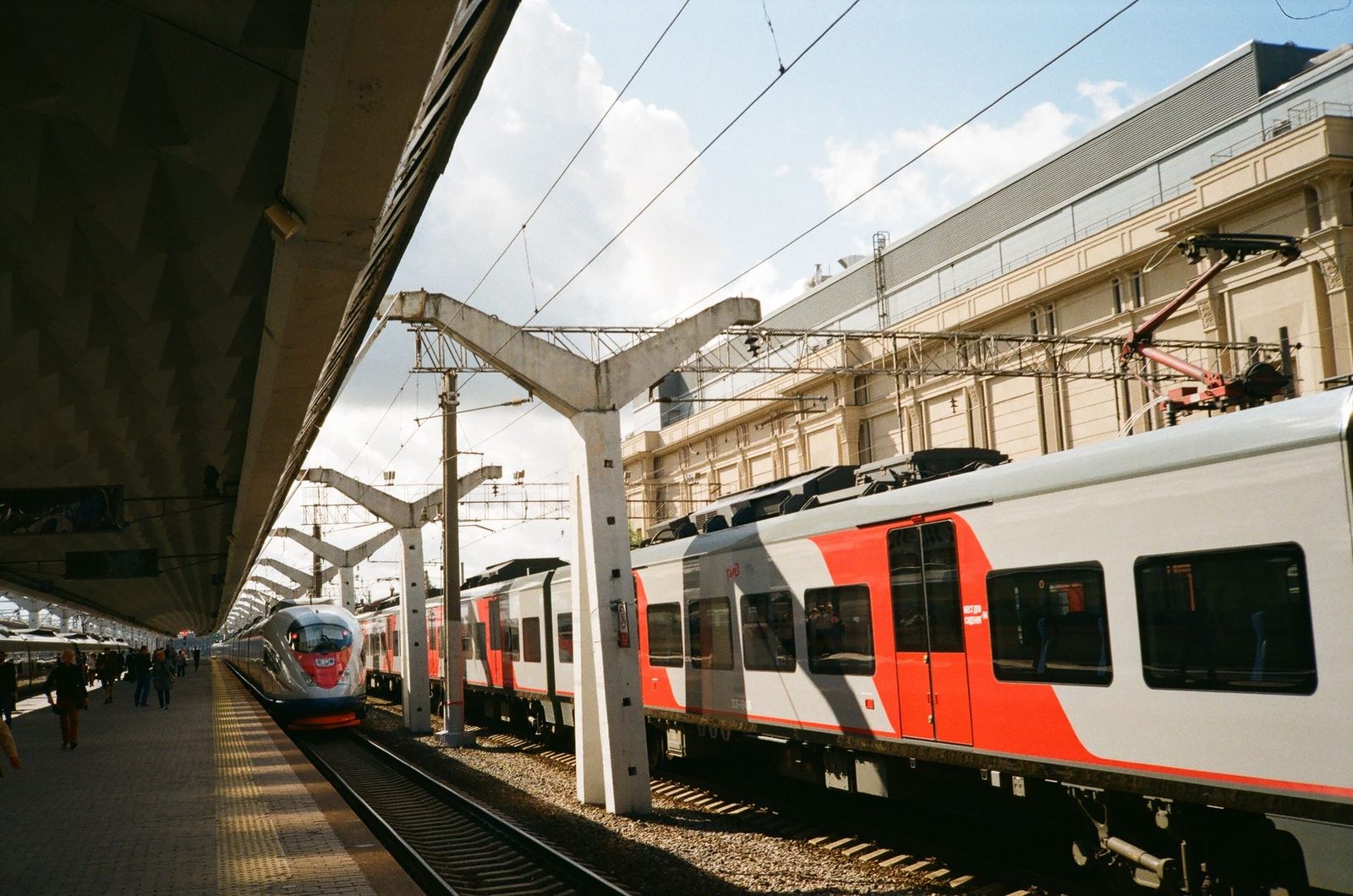
Short answer: on the same route, Ouigo is generally 30 to 60% cheaper than TGV Inoui (€10–49 versus €25–130 on Paris–Lyon depending on how early you book), but the ticket is neither exchangeable free of charge nor refundable (€19 exchange fee up to 30 minutes before departure), SNCF discount cards do not apply, a second bag and a seat with a power socket cost extra, and some services run from out-of-town stations (Marne-la-Vallée, Massy, Aéroport CDG 2 instead of Paris Gare de Lyon). Choose Ouigo if your date is fixed, your luggage is light and departing from an outlying station is acceptable. Choose TGV Inoui if you hold a Carte Avantage, have bulky luggage, a connection afterwards, or need the option to change your mind.
Since Ouigo passed the quarter mark of SNCF's high-speed journeys, the question is no longer "is it any good?" but "when does it actually pay off?" Because both brands run the same trainsets (refitted TGV Duplex units), on the same high-speed lines, with the same drivers. The entire difference lies in the commercial model: seat density, stations served, services included, exchange rules. This guide compares Ouigo and TGV Inoui point by point — price, stations, luggage, comfort, flexibility — and indicates which train to choose depending on your travel profile.
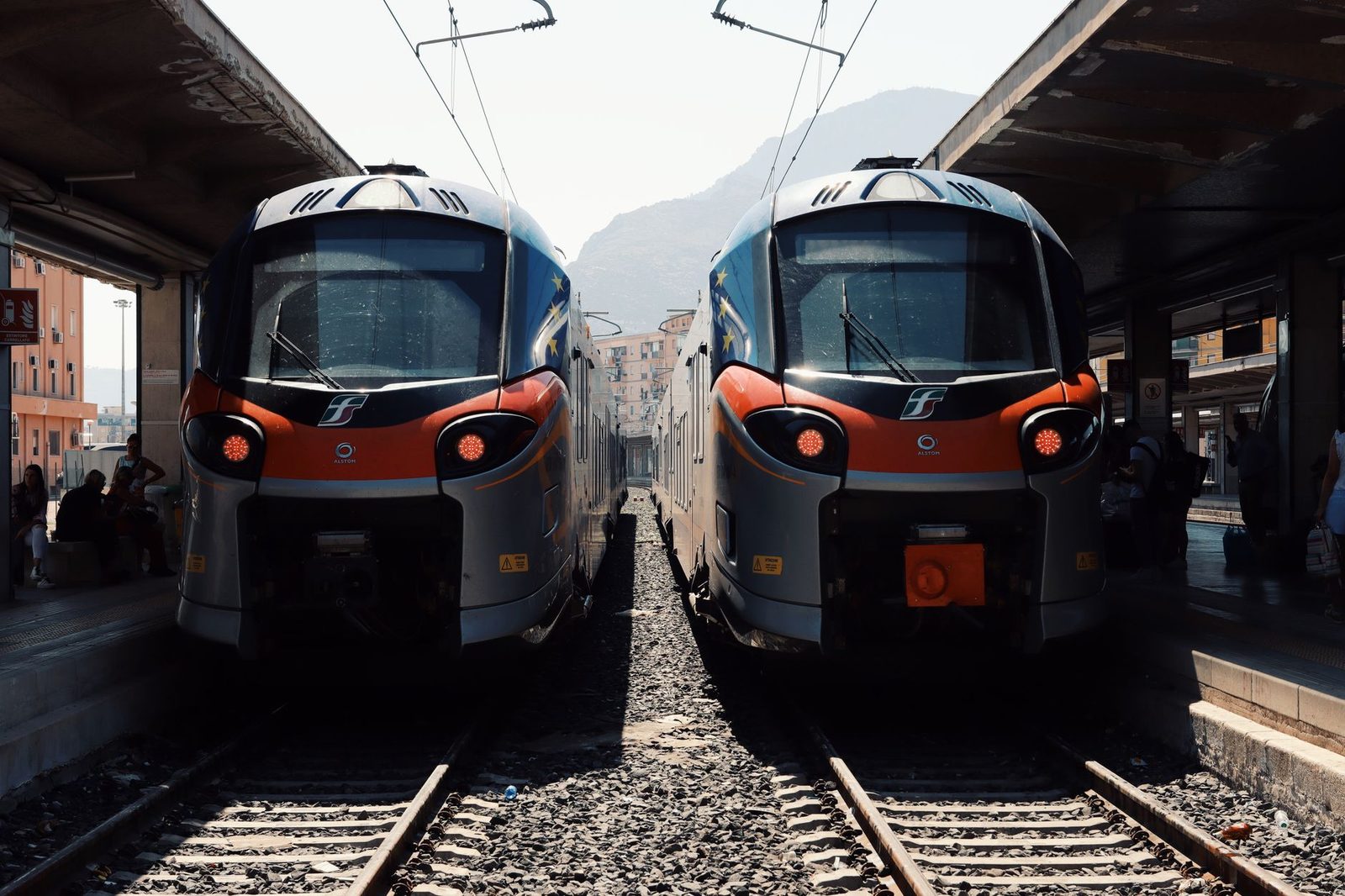
1. Two brands, one and the same SNCF
Let's start with the essentials, which are often misunderstood:
- TGV Inoui is SNCF Voyageurs' long-standing high-speed offering: two classes, a bar car, numbered seats, no limit on the number of bags, exchanges possible depending on the fare.
- Ouigo (high speed) is the low-cost offering launched in 2013: a single class, high-density Duplex trainsets (up to around 1,270 seats versus 510 to 630 on a standard Inoui set), no bar car, à la carte services.
- Ouigo Train Classique is a third offering, often confused with the previous one: non-high-speed trains running on conventional lines, departing from Paris-Austerlitz towards Nantes, Lyon (via the Bourbonnais route), or Bordeaux depending on the season. Far slower (5 hr 30 to 7 hr), but with lead-in fares around €5 to €10 and more generous luggage rules.
- Ouigo España is something else again: SNCF's Spanish subsidiary, operating on Madrid–Barcelona, Madrid–Valencia, Madrid–Alicante, Madrid–Seville/Malaga and, since 2026, towards Asturias, Galicia and León. The fare rules are not identical to those in France — we covered the Ouigo Asturias–Galicia launch separately.
In other words: when you compare "Ouigo or TGV", first check which of the three French offerings you are actually looking at. A €19 Ouigo Train Classique from Paris to Nantes has nothing in common with a €19 high-speed Ouigo other than the price.
2. Price: the real gap, not the advertised one
Lead-in fares make plenty of noise ("from €10") but apply only to a small allocation released when sales open. The ballpark figures observed in 2026 on the main routes:
| Route | Ouigo (high speed) | TGV Inoui (2nd class) | Duration |
|---|---|---|---|
| Paris–Lyon | €10–49 | €25–130 | 1 hr 55 – 2 hr 10 |
| Paris–Marseille | €16–59 | €39–150 | 3 hr 10 – 3 hr 40 |
| Paris–Bordeaux | €16–55 | €35–140 | 2 hr 05 – 2 hr 40 |
| Paris–Lille | €10–39 | €25–95 | 1 hr – 1 hr 10 |
| Paris–Rennes | €16–49 | €30–120 | 1 hr 30 – 2 hr |
| Lyon–Marseille | €10–35 | €25–75 | 1 hr 40 |
Indicative ranges observed in 2026 depending on how far ahead you book, the day and the time.
Three caveats change everything:
Discount cards do not work on Ouigo. Neither the Carte Avantage Adulte / Jeune / Senior, nor the Carte Liberté applies to high-speed Ouigo services. With a Carte Avantage Jeune (€49) and its price cap on TGV Inoui, a Paris–Marseille ticket bought at the last minute can cost less on Inoui than on Ouigo bought the same day. If you hold a card, always run the actual comparison, not the theoretical one. The break-even logic of a discount card is the same everywhere in Europe: we crunched the numbers for Germany in our comparison of the BahnCard 25, 50 or 100.
Extras add up fast. A second bag, a seat with a power socket, a chosen upper-deck seat, priority boarding, a change: a €19 Ouigo ticket can end up at €35–40 once the options are added, which brings it uncomfortably close to an Inoui Prem's fare.
The home-to-station leg counts. A Ouigo departing from Marne-la-Vallée–Chessy or Massy TGV when you live in the 18th arrondissement means 45 minutes on the RER and an extra ticket both out and back. The €15 saving melts away.
3. Stations: Ouigo's real trap
This is the point that causes the most missed journeys. Not all Ouigo trains leave from central stations.
- Paris: some Ouigo services do depart from Gare de Lyon, Montparnasse or Gare du Nord, but a significant share use Marne-la-Vallée–Chessy (RER A), Massy TGV (RER B/C) or Aéroport Charles-de-Gaulle 2 TGV.
- Lyon: departures from Part-Dieu or Perrache, but also Saint-Exupéry TGV, 30 minutes from the centre on the Rhônexpress (paid).
- Marseille, Bordeaux, Nantes, Rennes, Lille: Ouigo generally serves the central stations (Saint-Charles, Saint-Jean, Lille-Europe or Lille-Flandres), which makes these origins far more attractive.
A second constraint: boarding closes 30 minutes before departure on Ouigo, and it is enforced strictly. Turn up 12 minutes before and you will not get on. On a TGV Inoui, you can board until the doors close. For tight connections — a flight, a bus, another train — Ouigo's margin has to be factored in. A bike phone mount or, more simply, a portable USB-C charger saves you hunting for a socket when you have ended up in a seat without power.
4. Luggage: the costliest difference
This is where Ouigo departs most sharply from the classic European rail model.
| Ouigo high speed | Ouigo Train Classique | TGV Inoui | |
|---|---|---|---|
| Hand luggage | 1 (36 × 27 × 15 cm) included | 1 included | included |
| Large bag | 1 included (55 × 35 × 25 cm) | 2 included | no limit on number |
| Extra bag | ~€5 online, €20 on board | ~€5 online | free (within reason) |
| Non-dismantled bike | paid space, reservation required | paid space | paid space depending on the trainset |
| Bagged bike | accepted as luggage | accepted | accepted |
The Inoui rule is not unlimited either: since 2024, SNCF Voyageurs has applied an in-principle limit (two large bags plus one piece of hand luggage) with a possible €50 fine in cases of obvious overloading. In practice, checks remain rare, but they do happen on the busiest routes. The operator-by-operator breakdown is in our guide to train luggage rules in Europe.
For a weekend, a soft-shell 55 cm cabin bag is enough and avoids any discussion at boarding. For a partial house move or sports equipment, TGV Inoui is objectively the right call.

5. On-board comfort: what actually changes
Ouigo trainsets are TGV Duplex units reconfigured for capacity. In practical terms:
- Reduced seat pitch: roughly 2 to 5 cm less than in Inoui 2nd class. Noticeable beyond 3 hours, especially around the knees.
- No bar car. Trolley service is limited or non-existent depending on the train; bring your own food. An insulated 500 ml water bottle is the single best-value purchase for a Ouigo regular.
- Power sockets: they exist, but a seat "with a socket" has been a paid option since 2023 (around €2 to €3). Without the option, there is no guarantee.
- No on-board Wi-Fi on high-speed Ouigo trains, whereas TGV Inoui offers a portal and patchy Wi-Fi. On both, the 4G/5G coverage along the corridor remains the real solution — see our feature on Wi-Fi and mobile data on trains.
- Noise: full trains, higher noise levels, no quiet zone. A pair of noise-cancelling earphones transforms a Paris–Marseille Ouigo run.
- First class: non-existent on Ouigo. On Inoui, upgrading to 1st class often costs €15 to €30 more on a Prem's ticket and gives you a wider seat, a socket per seat and at-seat service on some routes.
In return, Ouigo has one genuine family advantage: the under-12 child fare of €5 to €8 on every train, including peak periods, with no advance-booking condition. Across four people, the gap compared with a full-fare Inoui is considerable. Child options and the family comparison are detailed in our guide to travelling by train in Europe with children.
6. Flexibility, delays and compensation
| Ouigo | TGV Inoui | |
|---|---|---|
| Exchange | €19 up to 30 min before (plus any fare difference) | free up to 3 days before with Avantage, €19 thereafter depending on fare |
| Refund | no | depending on fare (Liberté: yes, Prem's: no) |
| Delay 1–2 hr | 25% of the ticket price | 25% |
| Delay 2–3 hr | 50% | 50% |
| Delay > 3 hr | 75% | 75% |
The Garantie Ponctualité compensation scheme applies to both brands at the same thresholds, as vouchers or by bank transfer on request. Be aware: on a €15 Ouigo ticket, 50% compensation comes to €7.50. The financial risk of a delay is low — it is the risk of your journey breaking down that is high, since Ouigo will not transfer you onto a TGV Inoui run by its in-house rival and Ouigo trains are less frequent. The European rules and the amounts are set out in our article on delayed trains in Europe: your rights.
One often-overlooked point: Ouigo guarantees no connections at all. Two Ouigo tickets bought separately do not constitute a single contract of carriage. If the first train is 40 minutes late, the second leaves without you and nothing is owed. On Inoui, a single ticket with a recognised connection obliges SNCF to rebook you.
7. Which train for which traveller
Take Ouigo if:
- you are booking 2 to 4 months ahead and the date is certain;
- you travel light (one cabin bag);
- you are 2 adults + children: the child fare is unbeatable;
- your departure or arrival station is central (Lille, Marseille, Bordeaux, Nantes);
- you have no discount card;
- the journey is under 2 hr 30 (reduced comfort is easier to bear).
Take TGV Inoui if:
- you hold a Carte Avantage or Liberté;
- you are booking late (the gap narrows, and the Avantage price cap protects you);
- you have a connection afterwards (TER, Intercités, Eurostar, a flight);
- you are carrying bulk: skis, an instrument, a double buggy, two 23 kg suitcases;
- you want to be able to exchange free of charge;
- the journey exceeds 4 hours and you plan to work on board.
Consider Ouigo Train Classique if: time is no object and the budget is tight. Paris–Nantes in 4 hr 15 for €19 from Austerlitz, with two bags included, beats any high-speed Ouigo on price-to-luggage ratio. A silk sleep mask and something to read make those 4 hours perfectly bearable.
8. The booking habits that cut the bill
- Watch for sales opening. Ouigo generally opens 4 to 6 months ahead; the lowest price tiers sell out within 48 hours.
- Compare both brands in the same search, luggage options included. A multi-operator comparison site like Gopaxo lets you pit train, bus and ridesharing against each other in one search.
- Test the alternative stations. A Massy–Lyon can be €20 cheaper than a Gare de Lyon–Lyon on the same day. Do the maths with transport included.
- Check the return leg on Inoui. The best combinations often mix the two brands: Ouigo outbound (booked early), Inoui on the way back (flexible).
- Don't buy the luggage option "just in case". Measure your suitcase: the Ouigo limit (55 × 35 × 25 cm) is smaller than a standard airline cabin format.
Frequently asked questions
Are Ouigo and TGV Inoui the same train?
Same base trainsets (TGV Duplex), same lines, same operator, SNCF Voyageurs. Ouigo sets are reconfigured to fit more seats, with no bar car and no 1st class.
Can you use a Carte Avantage on a Ouigo?
No. SNCF discount cards (Avantage, Liberté, Max) do not apply to high-speed Ouigo services. They work on TGV Inoui, Intercités and, depending on the region, on some TER trains.
How much luggage can you take on Ouigo?
One piece of hand luggage (36 × 27 × 15 cm) and one large bag (55 × 35 × 25 cm) are included. Any additional bag costs around €5 online and up to €20 if paid for on board.
Do you have to arrive 30 minutes before a Ouigo departs?
Yes. Boarding closes 30 minutes before departure, and the rule is strictly enforced. On TGV Inoui, you can board until the doors close.
Is there Wi-Fi on Ouigo trains?
No, there is no on-board Wi-Fi on high-speed Ouigo trains. TGV Inoui offers a Wi-Fi portal whose quality varies widely from route to route.
Does Ouigo compensate for delays?
Yes, at the same thresholds as TGV Inoui: 25% of the price for a 1 to 2 hour delay, 50% for 2 to 3 hours, 75% beyond that. Claims must be made within 60 days.
In summary
- Ouigo wins on early bookings, light travel, families with children and central stations (Lille, Marseille, Bordeaux).
- TGV Inoui wins as soon as there is a discount card, a connection, a lot of luggage, a need to exchange, or a journey of more than 4 hours.
- Ouigo's extras (2nd bag, power socket, €19 exchange) narrow the advertised gap: always compare the final price.
- Outlying stations (Marne-la-Vallée, Massy, CDG 2, Lyon Saint-Exupéry) can wipe out the saving once urban transport is counted in.
- Ouigo Train Classique remains the cheapest option in France if journey time is not a criterion.
- No connection is guaranteed between two Ouigo trains: allow at least an hour's margin, or buy a single Inoui ticket.