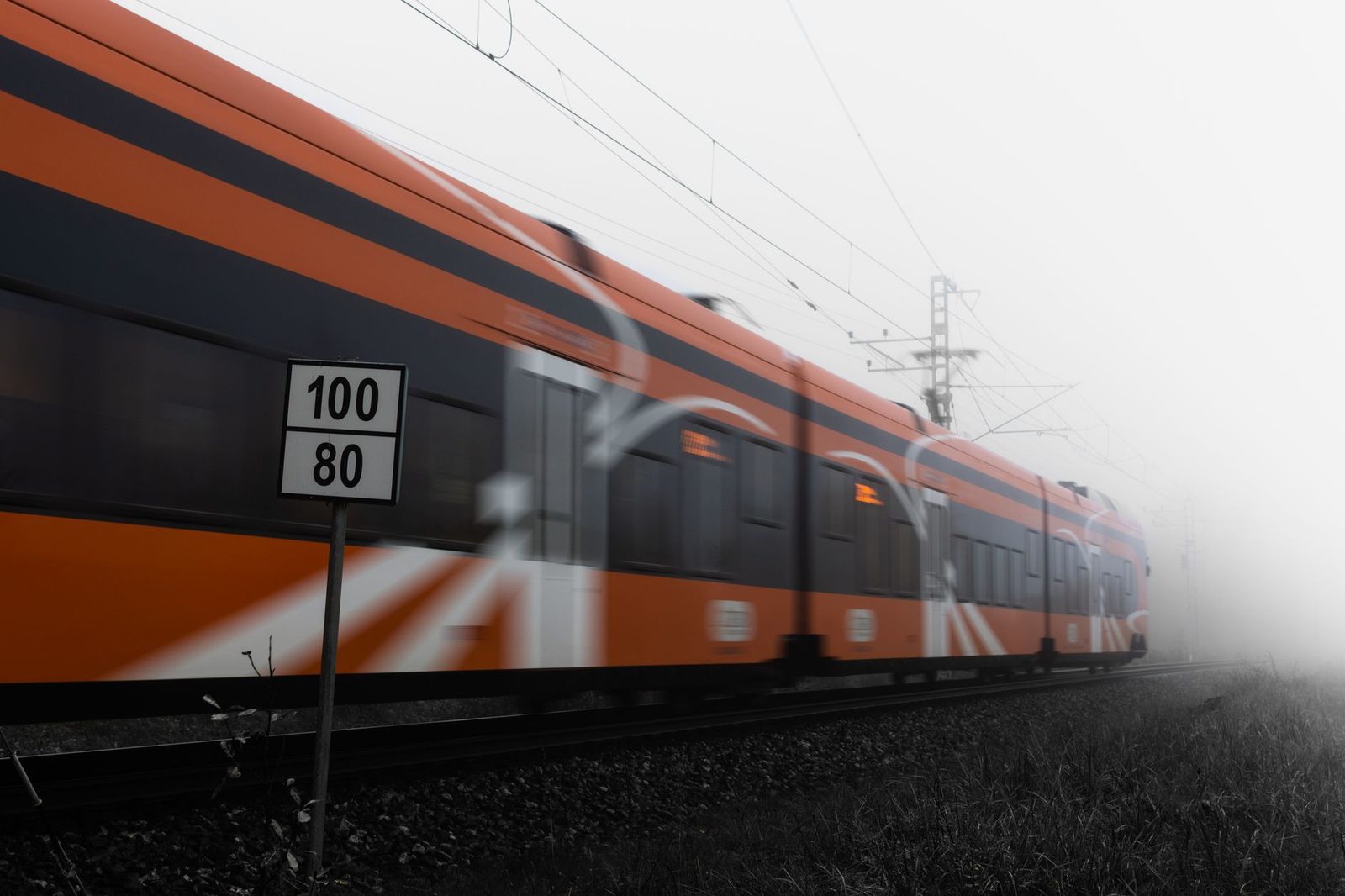
Short answer: The new Brussels–Milan night train from European Sleeper launches on 9 September 2026, running three nights a week in each direction via Cologne, Zürich, Lugano and Lake Como into Milano Centrale. Tickets have been on sale since 17 March 2026 and are bookable through to 3 January 2027, with shared-cabin fares starting from €49.99 one-way.
After months of delays, one of Europe's most anticipated sleeper links is about to become real. The Brussels–Milan night train lets you board in Belgium in the evening, sleep across the Rhineland and the Alps, and wake up in northern Italy — no airport, no early flight, no change of train. It is European Sleeper's third route after Brussels–Berlin and Brussels–Prague, and arguably its most scenic, threading the Gotthard corridor between Switzerland and Lombardy.
What European Sleeper's Brussels–Milan night train offers
The service connects Brussels-Midi and Cologne with Zürich, Lugano, Lake Como and Milano Centrale, crossing into Italy overnight. From launch it runs three times a week in each direction, with departures in the evening and arrival the following morning. The headline numbers are straightforward:
- Launch date: 9 September 2026.
- Frequency: three nights per week, each way.
- On sale since: 17 March 2026, bookable up to 3 January 2027.
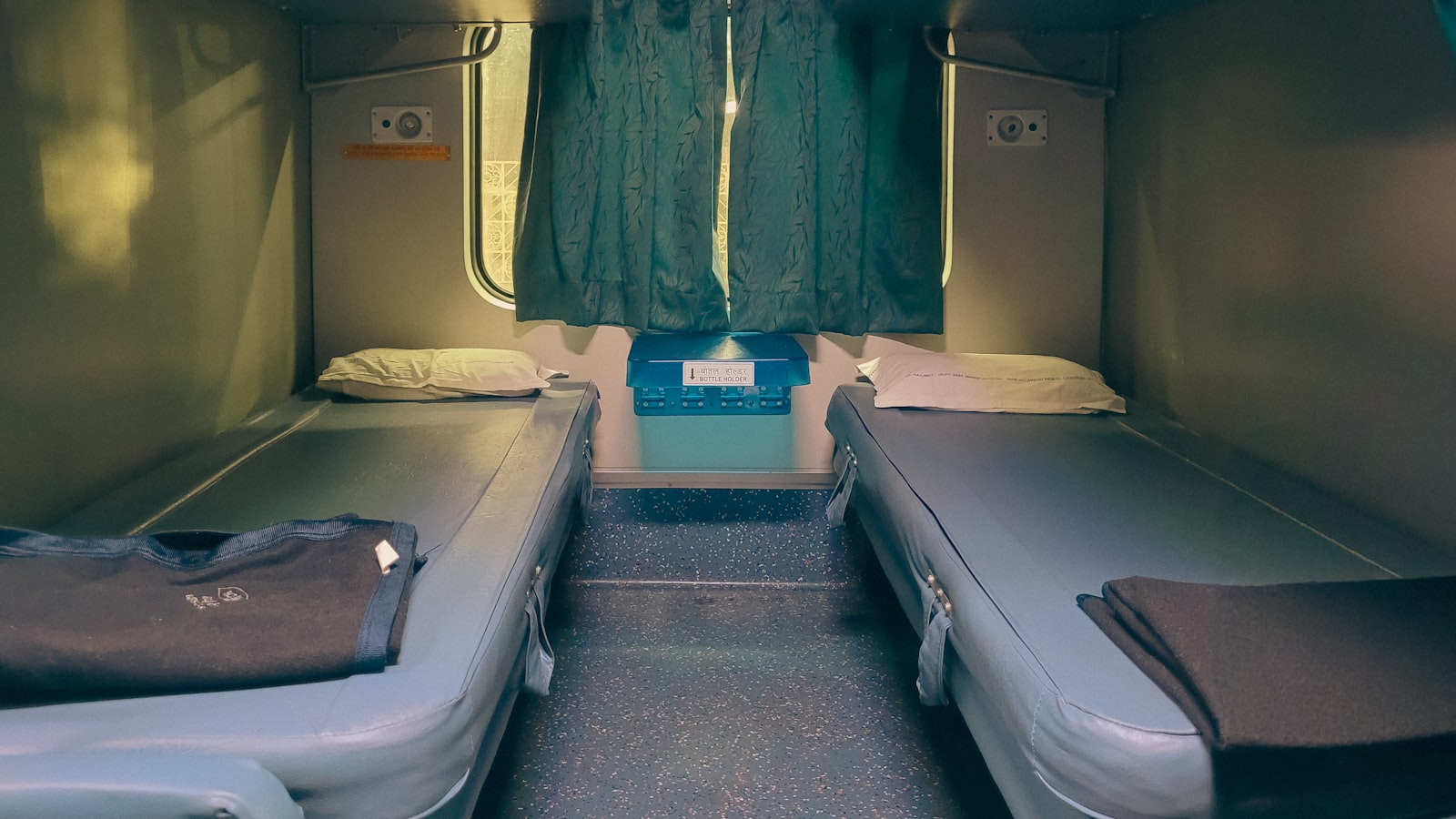
- Fares: Budget seats at the low end, Classic couchettes from €49.99 one-way, and Comfort private sleeper compartments for those who want a door that locks.
That €49.99 entry price undercuts most short-haul flights once you add airport transfers, baggage and a hotel night — because the train is the hotel. You can line the sleeper up against daytime high-speed and budget flights when you compare every option on Gopaxo, which puts trains, buses, carpooling and planes on a single screen.
Why the launch slipped from June to September
European Sleeper originally planned to start the Brussels–Milan service in June 2026, but pushed it back to September. The reason was practical rather than commercial: extensive track works in Germany along the route made a reliable, punctual overnight schedule impossible over the summer. The operator chose to delay rather than launch into disruption — a sensible call for a young company whose reputation rests on actually running on time.
The same timetable reshuffle pushed a planned through-service to Amsterdam back to 2027. For now, the Netherlands gets folded in differently: from the 14 December 2026 timetable change, the Brussels–Milan train will add stops at Antwerp, Breda and Eindhoven, extending the Belgian leg north into Dutch territory and widening the catchment for the line.
The route: Belgium to Lombardy while you sleep
What makes this line special is the geography it crosses in the dark. After Brussels and Cologne, the train runs south through Switzerland to Zürich, then dives through the Alps to Lugano and the shores of Lake Como before rolling into Milano Centrale, one of Europe's grandest station halls. It is a corridor that daytime travellers pay a premium to photograph; on the sleeper, you trade the views for a bed and a morning arrival ready for the day.
Milan itself is the obvious prize — a gateway to the Italian lakes, the Dolomites and the high-speed network that fans out to Rome, Venice and the south. If you are continuing onward, it connects neatly with Italy's growing fast-train map, including the new Munich–Rome high-speed train that will also cross the Alps from December 2026.
How it fits Europe's night-train revival
The Brussels–Milan line is part of a much bigger story. Across the continent, operators like ÖBB Nightjet, European Sleeper and a clutch of state railways are reopening sleeper routes that were written off a decade ago, driven by climate-conscious travellers and a wave of new and refurbished rolling stock. We mapped the full picture — new routes, cabin types and booking tips — in our guide to the comeback of night trains in Europe.
European Sleeper is a notable player in that revival precisely because it is small and crowdfunded: it adds routes one at a time, learns, and reinvests. Milan is its boldest stretch yet, reaching deep into the Alps. For travellers, the practical upshot is more choice and, increasingly, real price competition with flying. You can read more about the operator on its European Sleeper profile before you book.
Is it worth booking now?
If you have flexible dates around the 9 September 2026 launch, yes. The cheapest Classic couchettes from €49.99 sit in limited buckets that sell out first on weekends and around the December timetable change, and with only three departures a week the calendar fills faster than on a daily high-speed line. Book early, favour mid-week nights, and decide upfront whether you want a Budget seat, a shared couchette or a private Comfort cabin — they are very different experiences at very different prices.
And always compare. A sleeper is unbeatable for an overnight Belgium-to-Italy hop, but for some dates a daytime train via the SNCF or a cheap flight may still win. Checking both takes seconds and can save real money.
In short
- European Sleeper's Brussels–Milan night train launches 9 September 2026.
- It runs three nights a week each way via Cologne, Zürich, Lugano and Lake Como into Milano Centrale.
- Tickets have been on sale since 17 March 2026, bookable to 3 January 2027.
- Fares: Budget seats, Classic couchettes from €49.99 one-way, and Comfort private sleepers.
- The launch slipped from June to September because of German track works; the Amsterdam through-service is delayed to 2027.
- From 14 December 2026, the train adds stops at Antwerp, Breda and Eindhoven.
Frequently asked questions
When does the Brussels–Milan night train start?
European Sleeper's Brussels–Milan service launches on 9 September 2026. It runs three nights a week in each direction, with evening departures and next-morning arrivals.
How much does a ticket cost?
Shared Classic couchettes start from €49.99 one-way. Cheaper Budget seats are available at the low end, and you can upgrade to a private Comfort sleeper compartment. The lowest fares are limited and sell out first.
Which cities does the train serve?
It links Brussels-Midi and Cologne with Zürich, Lugano, Lake Como and Milano Centrale. From the 14 December 2026 timetable, it also calls at Antwerp, Breda and Eindhoven in the Netherlands.
Why was the launch delayed?
European Sleeper postponed the start from June to September 2026 because of extensive track works in Germany that would have undermined a reliable overnight schedule. The planned Amsterdam through-service was pushed to 2027.
How do I find the cheapest option for my dates?
Compare the sleeper against daytime high-speed trains and flights for your exact dates. A search on Gopaxo lines up trains, buses, carpooling and planes side by side so you always see the lowest fare.
Thinking of swapping a flight for a night across the Alps? Compare your dates now and book a berth before the cheapest cabins disappear.