Short answer: from the December 2026 timetable change, the Paris–Munich high-speed train is set to get both faster and more frequent. SNCF and Deutsche Bahn (DB) plan up to five direct connections a day using TGV and ICE trains, with the fastest journeys falling toward 4h40 as the new Stuttgart 21 station and the high-speed line to Ulm come into service.
For years, travelling by train between the French and Bavarian capitals meant a slow run through south-west Germany and, often, a change of train. That is about to change. Deutsche Bahn and SNCF have signalled a major upgrade to the route they already operate together along the "Magistrale for Europe" corridor between Paris and Munich via Strasbourg, Karlsruhe, Stuttgart, Ulm and Augsburg.
What changes for the Paris–Munich high-speed train
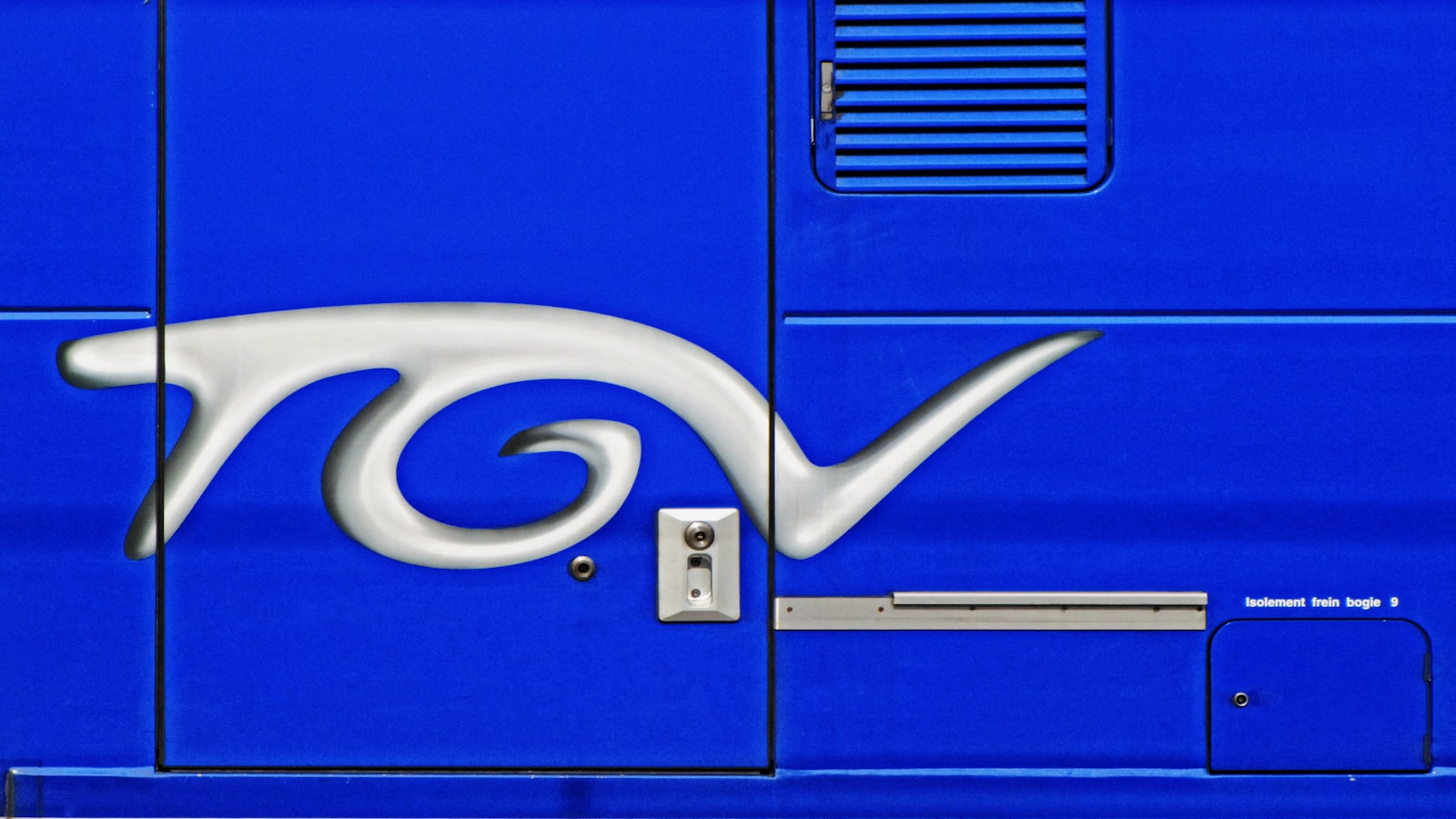
Today there is just one direct TGV in each direction per day, run jointly by DB and SNCF: it leaves Munich in the morning, returns in the evening, and stops at Augsburg, Ulm, Stuttgart, Karlsruhe and Strasbourg. Between Strasbourg and Paris the TGV already covers around 400 km non-stop at up to 320 km/h in about 1h46.
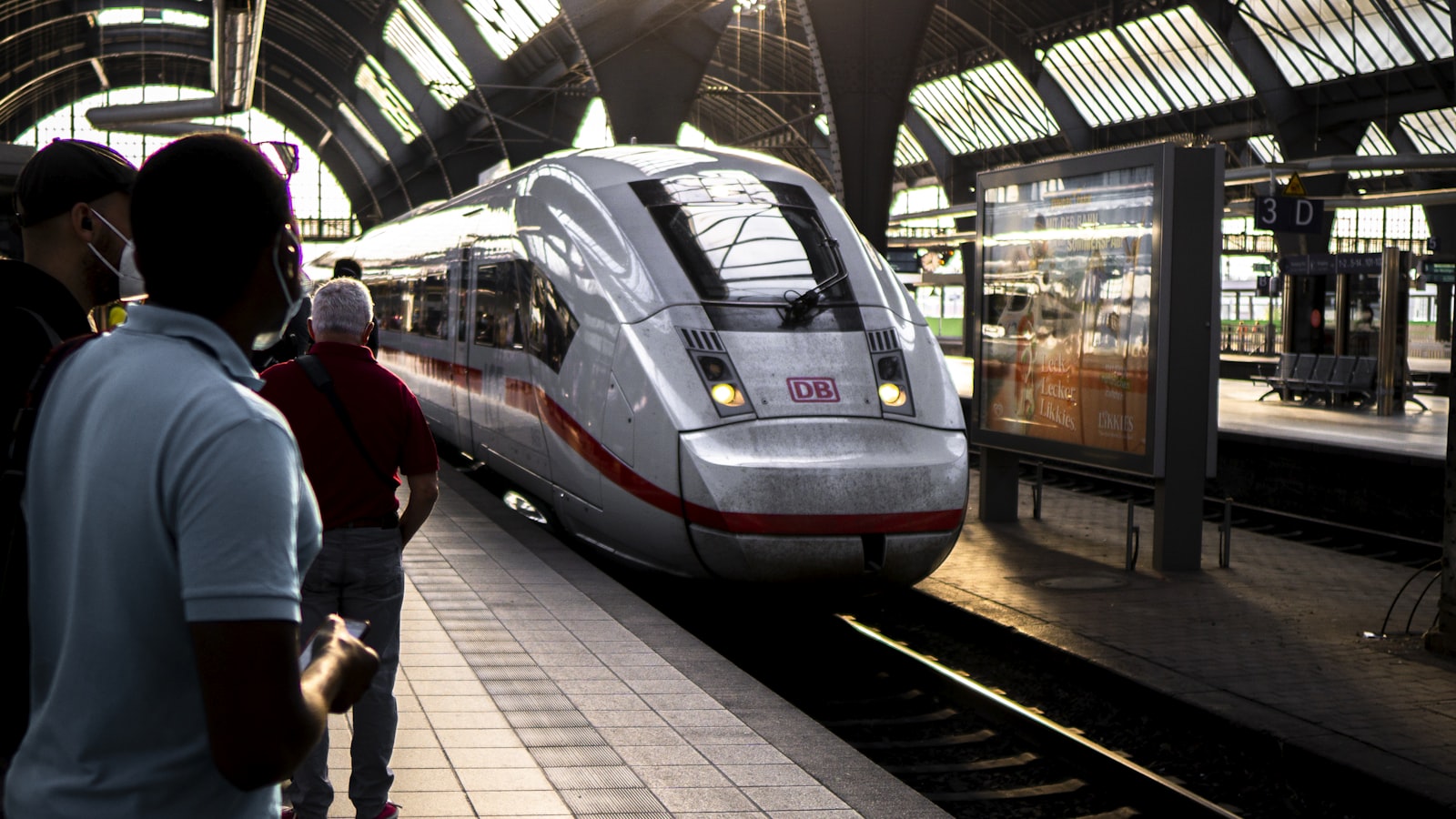
From December 2026, SNCF's long-distance director Alain Krakovitch has spoken of five fast direct connections between Paris and Munich, served by a mix of TGV and ICE trainsets. It is still being finalised whether these are entirely new trains or extensions of services that today terminate in Stuttgart or Karlsruhe — but the direction of travel is clear: more seats, more departures, and a faster ride.
Why it gets faster: Stuttgart 21 and the line to Ulm
The speed-up is mostly about infrastructure in Germany. The long-running Stuttgart 21 project turns Stuttgart's terminus into a through station, so trains no longer have to reverse there, and a new high-speed section closes the gap toward Ulm.
The effect is concrete. Today the TGV still needs almost an hour between Ulm and Stuttgart on the old line; from the end of 2026 that stretch is expected to take about 28 minutes. Because Stuttgart stops being a dead-end, overall journey times to Paris should fall by more than half an hour. As an illustration, the trip from Augsburg to Paris is expected to drop to around 4h40, from about 5h12 today, and Ulm to Paris to roughly 3h30, from about 4h04.
Who runs it: SNCF and Deutsche Bahn
The Paris–Munich service is a long-standing cross-border partnership between SNCF and Deutsche Bahn. Pooling the two operators means you book a single journey rather than stitching together separate national tickets across the French and German networks.
The upgrade also rides a wave of strong demand for cross-border rail. The direct Berlin–Paris ICE, launched in December 2024, has run with high occupancy — DB has cited average loadings around 90% on that route — which both railways point to as a reason to add capacity between Paris and Munich. It is the same logic that is pushing rail as a real alternative to short-haul flights on busy European city pairs.
Beyond Munich: Vienna in reach
The corridor does not stop at Munich. Until now, getting from Paris to Vienna by day usually meant two changes, typically in Stuttgart and Munich or Salzburg. With an Austrian Westbahn train already linking Stuttgart and Vienna, and five direct Paris–Munich connections planned, it should become possible to reach the Austrian capital from Paris five times a day with just one change.
For travellers who prefer to sleep through the miles, ÖBB's Nightjet also runs a direct overnight service between Vienna and Paris. If overnight travel appeals, our guide to the comeback of night trains in Europe is a good place to start, and you can always compare every option on Gopaxo before you book.
How to get the best fare
Cross-border high-speed tickets behave like domestic TGV and ICE fares: the cheapest seats are released early and sell first. A few habits help:
- Book as soon as the timetable opens. The lowest fare buckets go quickly, so early booking on a fixed date is where the savings are.
- Travel mid-week and off-peak. Tuesday-to-Thursday departures, away from Friday and Sunday peaks, are usually cheaper.
- Compare the whole door-to-door journey. Against a flight, factor in airport transfers, baggage fees and the time lost at each end — a city-centre-to-city-centre train often wins on total time.
- Check connecting cities. Strasbourg, Stuttgart or Augsburg can be cheaper entry or exit points than Paris or Munich for part of the year.
Quick recap
- The Paris–Munich high-speed train gets faster and more frequent from the December 2026 timetable.
- Up to five direct connections a day, run by SNCF and DB with TGV and ICE trains.
- Stuttgart 21 plus the new line to Ulm cut journey times: Augsburg–Paris to about 4h40 and Ulm–Paris to about 3h30.
- Strasbourg–Paris stays a fast 1h46 at up to 320 km/h.
- A single change should reach Vienna from Paris five times a day, with ÖBB's Nightjet as an overnight option.
Frequently asked questions
When does the faster Paris–Munich train start?
The upgrade is tied to the December 2026 timetable change, when Stuttgart 21 and the new high-speed line toward Ulm are due to enter service.
How long will Paris to Munich take?
Exact end-to-end times are not yet published, but the improvements should shave more than half an hour off today's schedules. As a guide, Augsburg–Paris is expected to fall to around 4h40 and Ulm–Paris to about 3h30.
How many direct trains a day will there be?
SNCF has spoken of up to five direct connections a day between Paris and Munich, using a mix of TGV and ICE trainsets.
Who operates the Paris–Munich service?
It is a joint cross-border service run by SNCF and Deutsche Bahn (DB), via Strasbourg, Karlsruhe, Stuttgart, Ulm and Augsburg.
Can I reach Vienna from Paris on this corridor?
Yes. With five direct Paris–Munich trains and an existing Stuttgart–Vienna service, it should be possible to travel from Paris to Vienna five times a day with just one change, plus ÖBB's direct Nightjet overnight.
Planning a trip across the Rhine? Compare the Paris–Munich route on Gopaxo and see how the new TGV and ICE services stack up against buses, carpooling and flights in a single search — and browse more ways to travel cheaper by train.