
Short answer: Real Eurostar competition is on the way. After more than 30 years as the only passenger operator through the Channel Tunnel, Eurostar now faces serious rivals: Virgin Trains won a key regulatory green light in October 2025, while Italy's state operator FS Italiane, the Spanish-backed Evolyn and the UK start-up Gemini Trains are all chasing London–Paris routes. None will run before the late 2020s, but the monopoly is effectively over.
For travellers, this is the single biggest shift in cross-Channel rail since the first Eurostar left London for Paris in 1994. More operators usually means more seats, more routes and — eventually — lower fares. Spain and Italy have already shown how quickly open competition can reshape a high-speed market.
Why Eurostar competition matters now
Eurostar has run the only passenger trains through the Channel Tunnel for three decades. That monopoly kept London–Paris and London–Brussels fares high and left little incentive to add capacity, even as demand on the route recovered strongly.
The bottleneck was never just political. The practical barrier is Temple Mills, the depot in east London that is the only maintenance site able to service the specialised trains allowed through the Channel Tunnel — and it is controlled by Eurostar. Without space there, no challenger can keep a fleet running. That is why Britain's rail regulator, the Office of Rail and Road (ORR), became the gatekeeper of Eurostar competition.
If you want a refresher on the route itself before booking, our Eurostar travel guide covers stations, luggage rules and check-in times, and you can always compare live fares on Gopaxo across train, bus, coach and plane for the same trip.
Virgin Trains: the front-runner
In October 2025, the ORR granted Virgin Trains shared access to the Temple Mills depot, beating rival bids from Evolyn, Gemini and Trenitalia. The regulator said the decision "unlocks plans for around £700 million of investment in new services and the creation of 400 new jobs."
Richard Branson's group plans to carry roughly 6 million passengers a year and to run trains from London St Pancras to Paris, Brussels and Amsterdam — the same core routes Eurostar serves today. Virgin has signed an exclusive deal with French manufacturer Alstom for 12 Avelia Stream trains, each made up of seven carriages, and has spoken of ambitions to expand further into France, Germany and Switzerland later.
The catch is timing. Virgin still has to finalise a commercial agreement with Eurostar over the depot, secure track and station access, raise the money and pass safety approvals on both sides of the Channel. Services are expected to begin around 2030, not next summer.
FS Italiane, Evolyn and Gemini
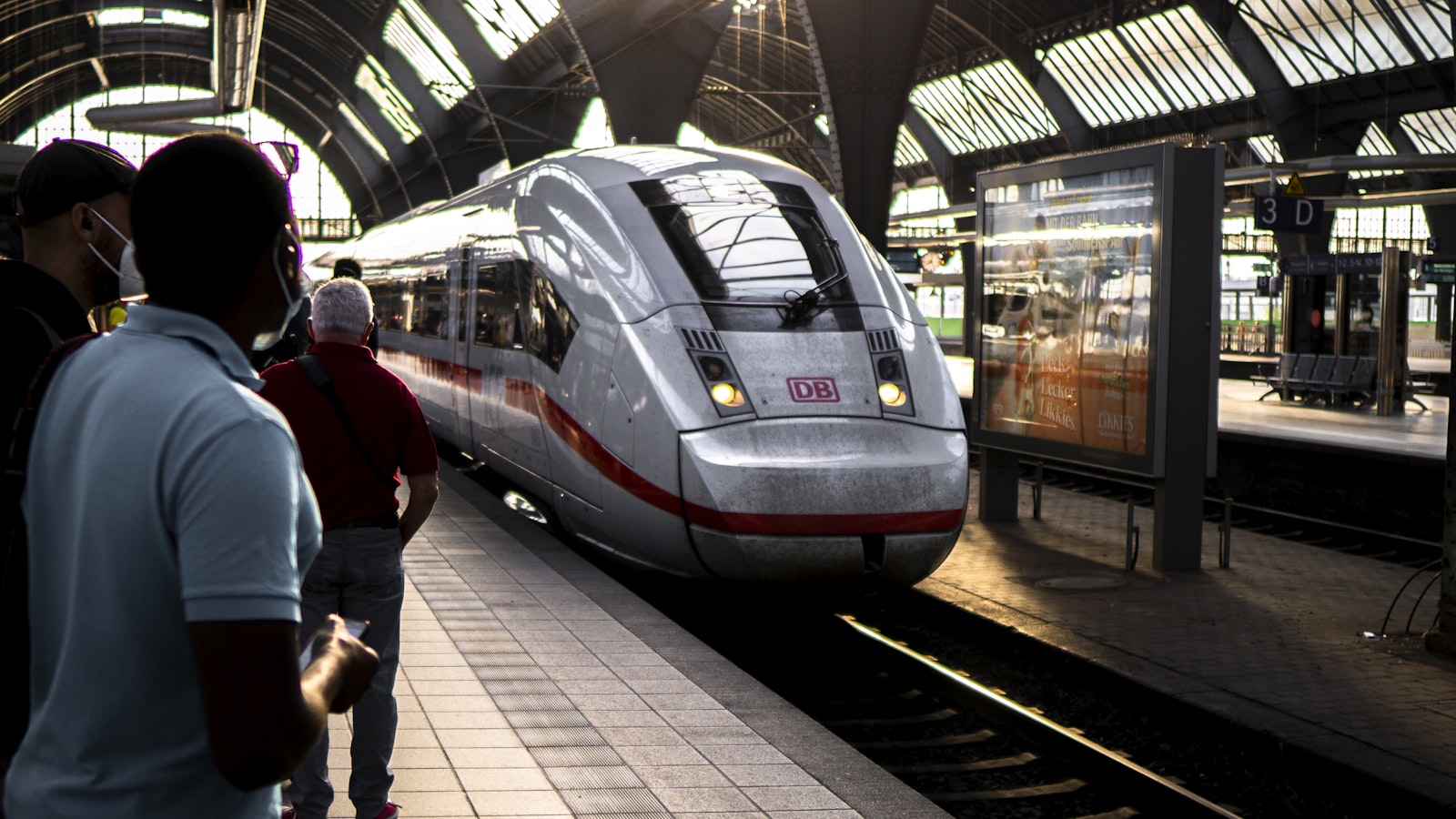
Virgin is not alone. FS Italiane (Ferrovie dello Stato), the state group behind Trenitalia, has set out plans for a high-speed London–Paris service backed by around €1 billion of investment, targeting 2029. After missing out on Temple Mills, FS has pivoted toward a Paris-based strategy with its partner Evolyn, the venture funded by Spain's Cosmen family (the same family behind the ALSA coach group). Building or accessing a depot remains the make-or-break question for them.
The third contender, Gemini Trains, is led by Lord Tony Berkeley, a former Eurotunnel engineer. Gemini has applied for an operator's licence and floated a fleet of up to 10 trains serving destinations such as Paris and beyond, also aiming for the end of the decade. Whether all three challengers actually launch is far from certain — but even one new entrant would end Eurostar's pricing power.
What it means for fares and routes
Competition tends to push prices down. When Spain opened its high-speed network to Renfe, Ouigo and Iryo, fares on routes like Madrid–Barcelona fell sharply, with promotional tickets dropping to single digits. Italy saw a similar effect after Italo began competing with Trenitalia. Analysts quoted by Euronews suggest new Channel Tunnel operators could cut cross-Channel fares by up to 30% over the coming years.
Don't expect cheaper Eurostar tickets overnight, though. The new services are years away, and adding capacity through the Tunnel takes time. In the meantime, the best strategy is still to book early and compare modes: on some dates the London-to-Paris plane-versus-train maths already favours the train once you count city-centre time and airport transfers, and seasonal promotions like the recent Eurostar summer sale can beat the headline fares.
Frequently asked questions
Is Eurostar's Channel Tunnel monopoly really ending?
In practical terms, yes. Eurostar will keep running its trains, but it is no longer guaranteed to be the only operator. The ORR's October 2025 decision to share the Temple Mills depot opened the door for a competitor for the first time since 1994.
When will Eurostar competitors start running trains?
Not immediately. Virgin Trains is targeting around 2030, while FS Italiane and Gemini Trains are aiming for roughly 2029. All of them still need finance, track and station access, trains delivered and tested, and safety approvals before a single paying passenger boards.
Which routes will the new operators serve?
The early focus is the busiest corridors: London to Paris, Brussels and Amsterdam. Virgin has named all three; FS and Evolyn are concentrating on London–Paris first. Operators have hinted at extensions deeper into France, Germany and Switzerland later.
Will Eurostar competition make tickets cheaper?
Probably, over time. More operators and more seats usually lower prices, as seen in Spain and Italy. But the effect depends on how many challengers actually launch and how much capacity they add through the Channel Tunnel.
In summary
- Eurostar competition is finally real after a 30-year monopoly on the Channel Tunnel.
- Virgin Trains leads the pack with a £700m plan, 12 Alstom Avelia Stream trains and ~6 million passengers a year, targeting around 2030.
- FS Italiane (with Evolyn) and Gemini Trains are also chasing London–Paris services, mostly aiming for 2029.
- The key bottleneck is the Temple Mills depot; access there decides who can run trains.
- Expect lower fares and more routes over time, echoing what happened in Spain and Italy — but not before the late 2020s.
- For now, book early and compare train, bus and plane fares on Gopaxo to get the best London–Paris deal.