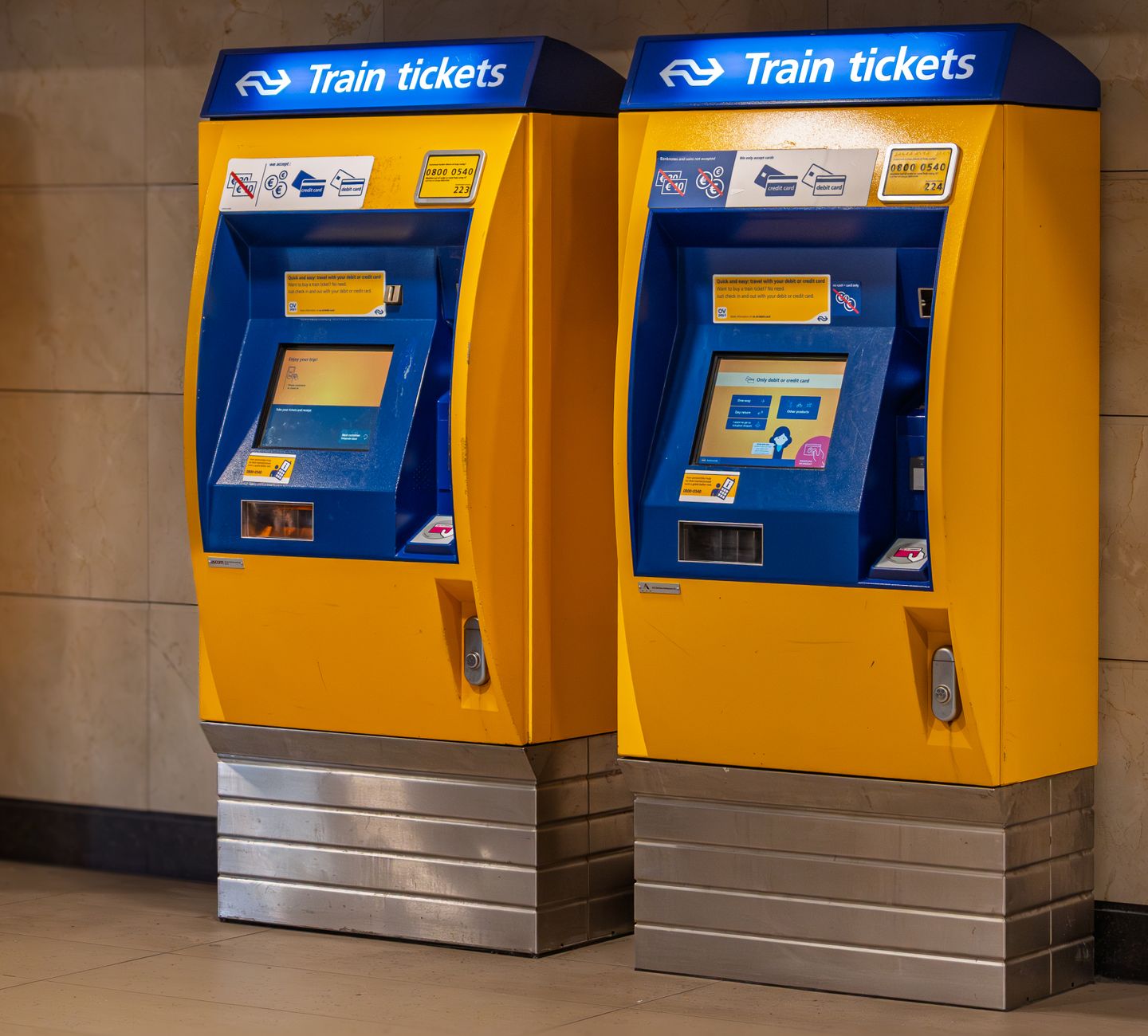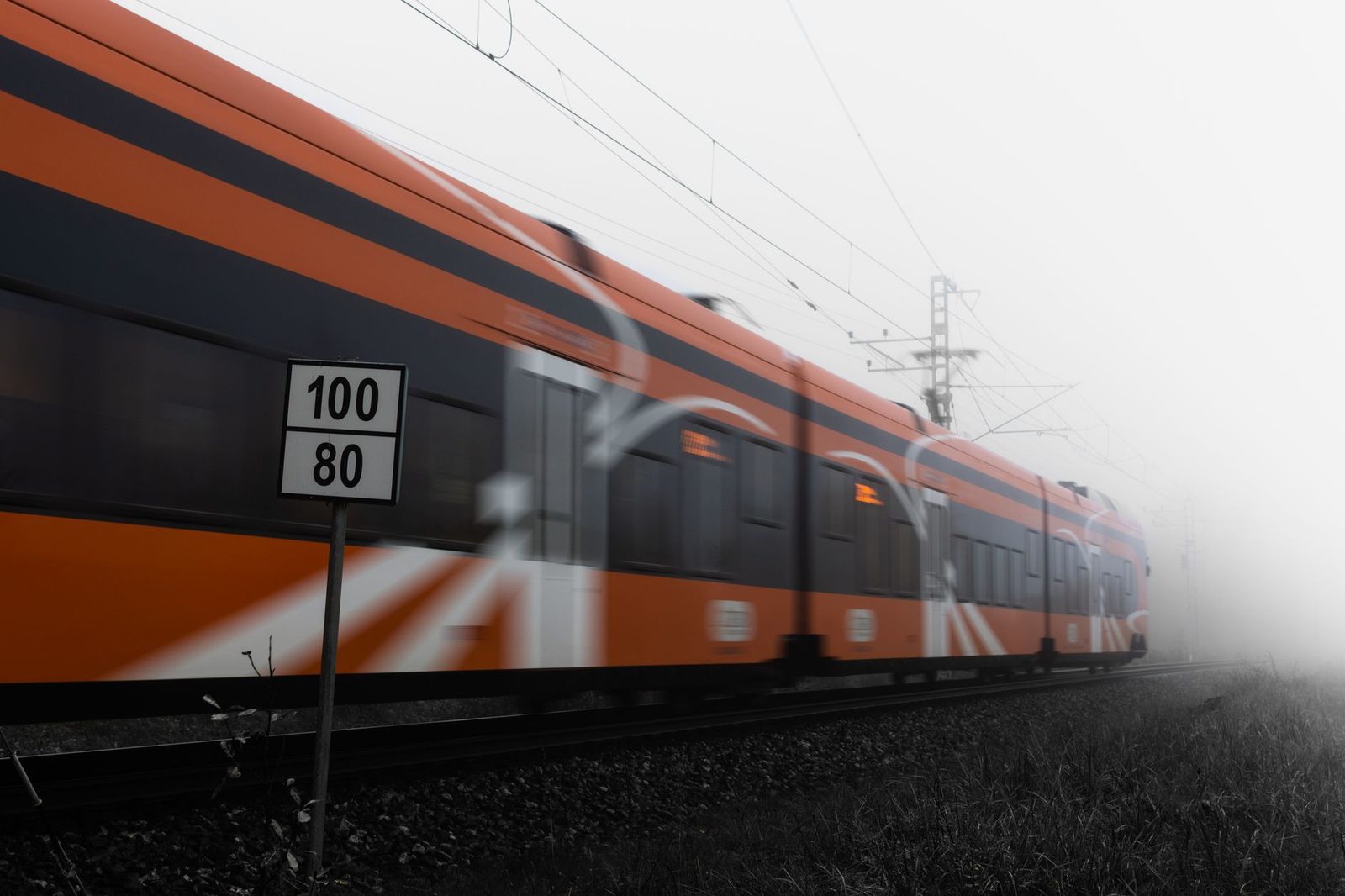
Short answer: the Deutschlandticket 2026 costs €63 per month and gives you unlimited travel on almost all local and regional public transport across Germany — regional trains (RB, RE), S-Bahn, U-Bahn, trams, buses and some ferries. It is not valid on fast long-distance trains (ICE, IC, EC), but at roughly €2 a day it remains one of the best-value flat-rate travel deals in Europe.
Germany's nationwide flat-rate ticket got more expensive in 2026, and a lot of travellers are asking the same question: is the Deutschlandticket 2026 still a bargain, or has the price crept too high? Below we break down the new €63 fare, exactly what the ticket covers, where it falls short, and how to decide whether it earns its place in your wallet this year.
What the Deutschlandticket 2026 costs now
From January 2026 the Deutschlandticket costs €63 per month, a €5 increase on the previous €58 fare. Germany's regional transport ministers agreed the rise unanimously to help close a funding gap that the Association of German Transport Companies (VDV) had projected at around €800 million for 2026.
It helps to see the price in context:
- May 2023: launched at €49 per month (the original "49-euro ticket").
- January 2025: raised to €58.
- January 2026: raised to €63.
That is roughly a 29% increase since launch. Even so, the ticket covers a full calendar month of unlimited local and regional travel nationwide — so heavy commuters and slow-travel tourists still get remarkable value. From 2027 onwards, the price is due to be adjusted periodically according to a fixed mechanism rather than through political negotiation each year.
What the Deutschlandticket covers
The Deutschlandticket 2026 is a single digital subscription that works across all of Germany, regardless of regional transport-network boundaries. It covers:
- Regional trains — Regionalbahn (RB) and Regional-Express (RE) services, in second class.
- City and suburban rail — S-Bahn and U-Bahn networks in every German city.
- Trams and buses run by local public-transport operators.
- Some ferries that form part of local public transport.
Crucially, it is a nationwide pass. You can use the same ticket for a tram in Cologne, an S-Bahn in Munich, a regional train through the Rhine Valley and a city bus in Hamburg — no separate tickets, no zone maths. It is sold as a monthly, cancellable subscription and is valid for a calendar month (the 1st to the last day), not 30 days from purchase.
What the ticket does not cover
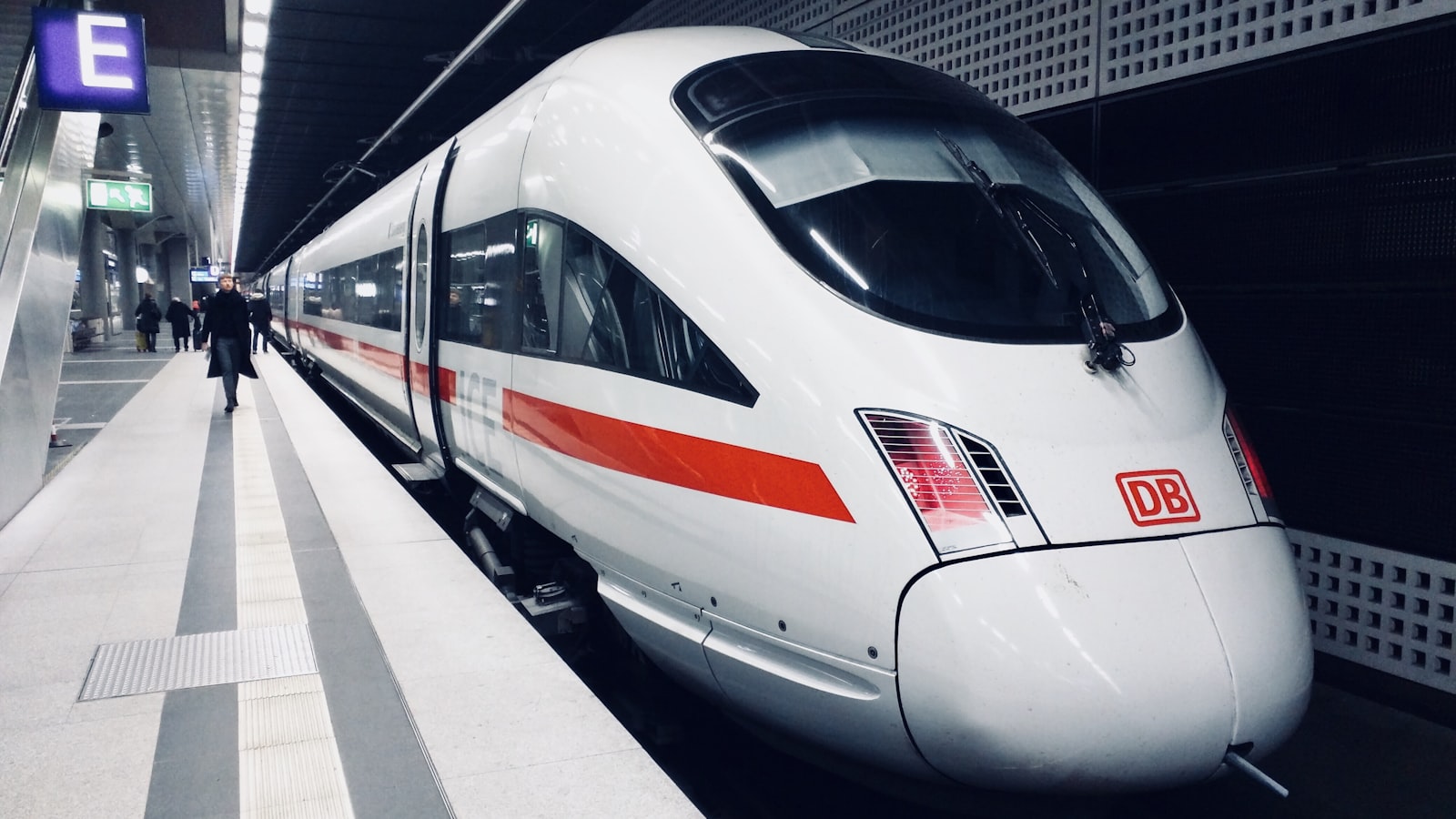
This is where many first-time buyers get caught out. The Deutschlandticket is not valid on long-distance trains:
- ICE (InterCity Express), IC (InterCity) and EC (EuroCity) services operated by DB Fernverkehr.
- Private long-distance operators such as FlixTrain.
- Trains run mainly for tourist or historic purposes.
It also covers second class only on regional trains. If you want to cross Germany quickly — say Berlin to Munich on an ICE — you still need a separate long-distance ticket. The Deutschlandticket shines for local journeys and unhurried regional hops, not for high-speed dashes.
Is the Deutschlandticket 2026 worth it?
The maths is simple. At €63 a month, the ticket pays for itself quickly if you travel often:
- Daily commuters almost always come out ahead — a single monthly urban travelcard in a big German city often costs more than €63 on its own.
- Slow-travel tourists spending a week or more in Germany can ride regional trains between cities (for example Cologne to Koblenz along the Rhine, or Munich to the Bavarian lakes) and use every tram and bus at their destination, all on one ticket.
- Occasional travellers who take only a couple of short trips a month may find point-to-point tickets cheaper.
Because the ticket excludes high-speed trains, it rewards a particular travel style: patient, scenic, regional. If your trip mixes a fast intercity leg with lots of local hops, it is worth comparing your options first. You can compare trains, buses, carpooling and flights on Gopaxo to see when a long-distance ticket, a coach or a shared ride beats stitching regional trains together.
For deeper savings strategies that apply well beyond Germany, our guide on how to travel cheaper by train in Europe covers booking windows, split tickets and passes. And if you travel long-distance in Germany regularly, a BahnCard discount can stack with smart planning — see our overview of European discount cards.
How to buy and use it
The Deutschlandticket is digital only. You subscribe through Deutsche Bahn's app or website, or through any regional transport operator's app, and receive the ticket as a QR code or in-app pass. A few practical points:
- You do not need to be a German resident to buy it — visitors can subscribe too.
- It is a monthly subscription: remember to cancel before the cut-off if you only need it for one month.
- Always have the digital ticket ready to show on board; inspectors check it against your ID.
Frequently asked questions
How much is the Deutschlandticket in 2026?
The Deutschlandticket costs €63 per month in 2026, up from €58 in 2025 and €49 at launch in May 2023.
Can I use the Deutschlandticket on ICE trains?
No. The ticket is not valid on ICE, IC or EC long-distance trains, nor on FlixTrain. It covers regional trains (RB, RE), S-Bahn, U-Bahn, trams and buses only.
Is the Deutschlandticket valid across all of Germany?
Yes. It is a nationwide pass valid on local and regional public transport in every German city and region, in second class.
Do tourists need to be German residents to buy it?
No. Non-residents and visitors can buy the Deutschlandticket. It is sold as a monthly digital subscription that you can cancel after one month.
Is the Deutschlandticket still worth it at €63?
For frequent local travellers and slow-travel tourists, yes — at about €2 a day for unlimited nationwide regional transport, it remains excellent value. Occasional travellers taking only a trip or two a month may save with point-to-point tickets.
In summary
- The Deutschlandticket 2026 costs €63 per month, up €5 from 2025.
- It covers unlimited regional and local transport nationwide: RB, RE, S-Bahn, U-Bahn, trams, buses and some ferries, in second class.
- It is not valid on ICE, IC, EC long-distance trains or FlixTrain.
- Prices rose from €49 (2023) to €58 (2025) to €63 (2026) — about 29% — with a fixed adjustment mechanism from 2027.
- It is best for commuters and unhurried tourists; compare modes before you buy if your trip includes fast long-distance legs.