Short answer: the EU high-speed rail plan, launched by the European Commission on 5 November 2025, sets out to connect every EU capital and major city with continuous high-speed rail by 2040. It calls for new lines built for at least 250 km/h, upgraded lines for at least 200 km/h, and an estimated €345 billion of investment — with the goal of doubling high-speed traffic by 2030.
For anyone who has tried to cross Europe by train, the appeal is obvious: fewer changes, faster journeys, and one seamless network instead of a patchwork of national systems. The EU high-speed rail plan is the most ambitious attempt yet to make that vision real, and it will shape how millions of people move around the continent for decades.
What the EU high-speed rail plan is
The plan builds on the Trans-European Transport Network (TEN-T) regulation adopted in 2024, which already obliges member states to complete their core corridors and establish continuous high-speed links between EU capitals by 2040. The Commission's November 2025 package turns that legal target into a concrete roadmap: which lines to build, which to upgrade, how to pay for it, and how to make trains run smoothly across borders.
The headline commitment is a connected network, not a collection of isolated fast lines. Today a traveller from Paris to Berlin, or Madrid to Lisbon, still runs into slow sections, border bottlenecks and incompatible signalling systems the moment they leave a national high-speed spine. The plan treats the whole EU as one system — closer to a giant metro between capitals than a set of separate railways.
The targets: 2040, 250 km/h and doubling traffic
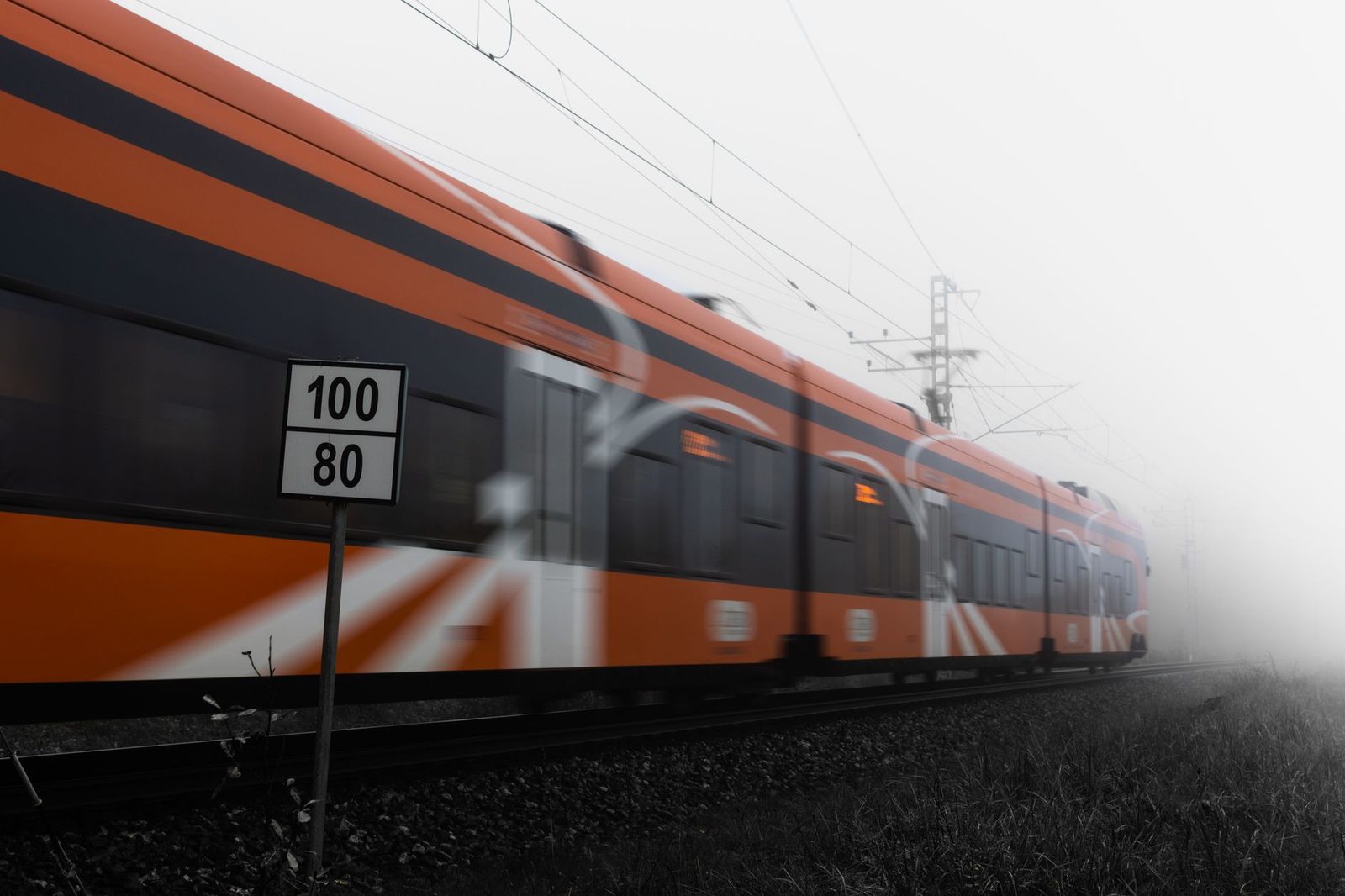
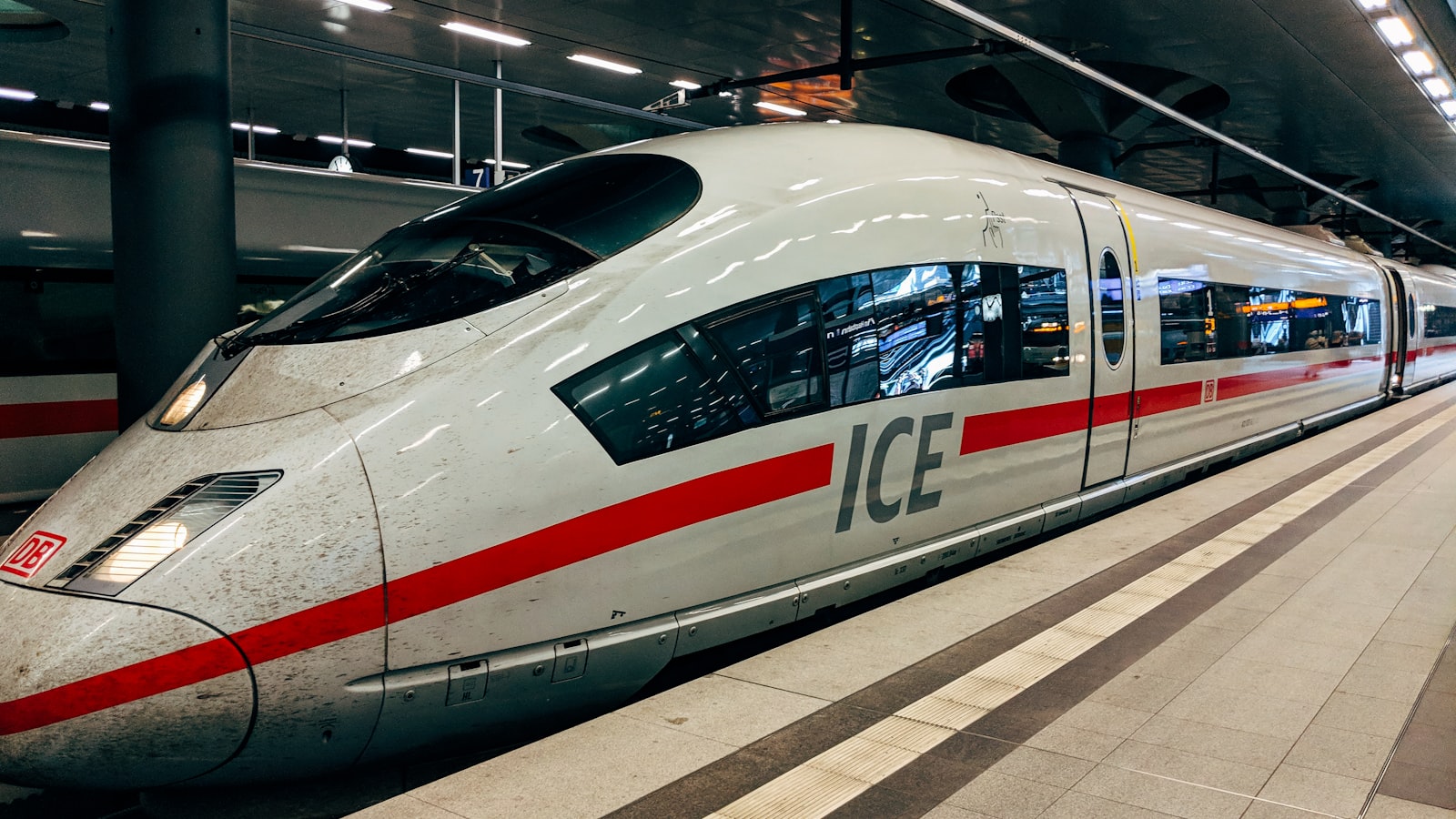
The plan sets clear technical minimums. Every new high-speed line must be built to carry trains at 250 km/h or more, and every upgraded line must support at least 200 km/h. Where it makes economic sense, the Commission leaves the door open to speeds well above 250 km/h.
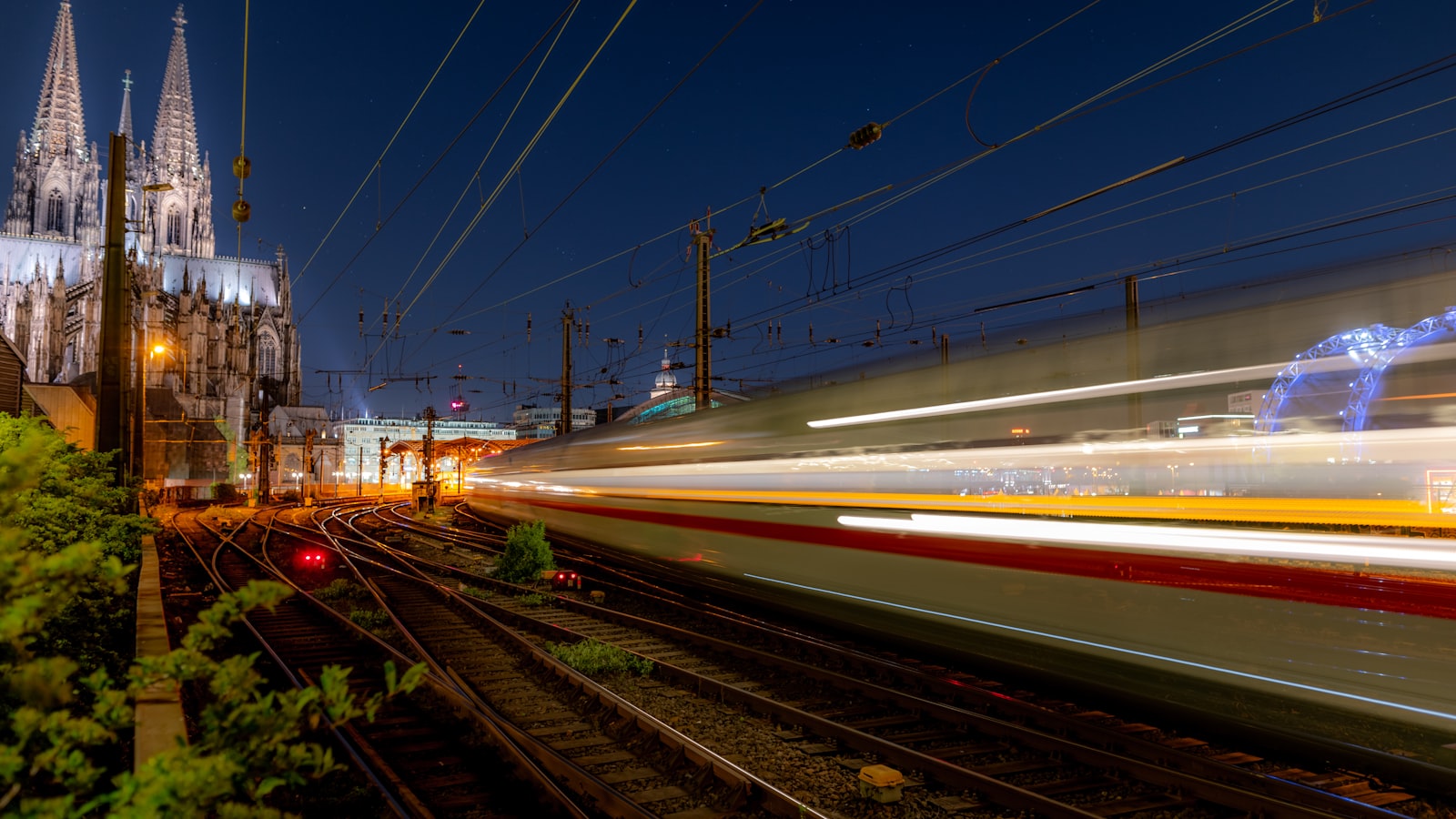
The numbers behind the ambition are large. The Commission estimates that €345 billion is needed to finish the currently planned TEN-T high-speed network by 2040. An external estimate cited alongside the plan puts the cost of going further — tripling the size of the existing EU high-speed network at 250 km/h or above — at around €546 billion. On the demand side, the target is to double high-speed rail traffic by 2030 compared with 2015, and to triple it by 2050.
Those are the kinds of figures that decide whether a corridor like Paris–Munich or Berlin–Copenhagen gets a genuine high-speed upgrade or stays a patchwork. While the money is debated, you can already compare trains, buses, carpooling and flights on Gopaxo for any European route and see how today's rail options stack up.
What changes for travellers
Two parts of the plan matter most for everyday passengers, and both are due to advance in 2026.
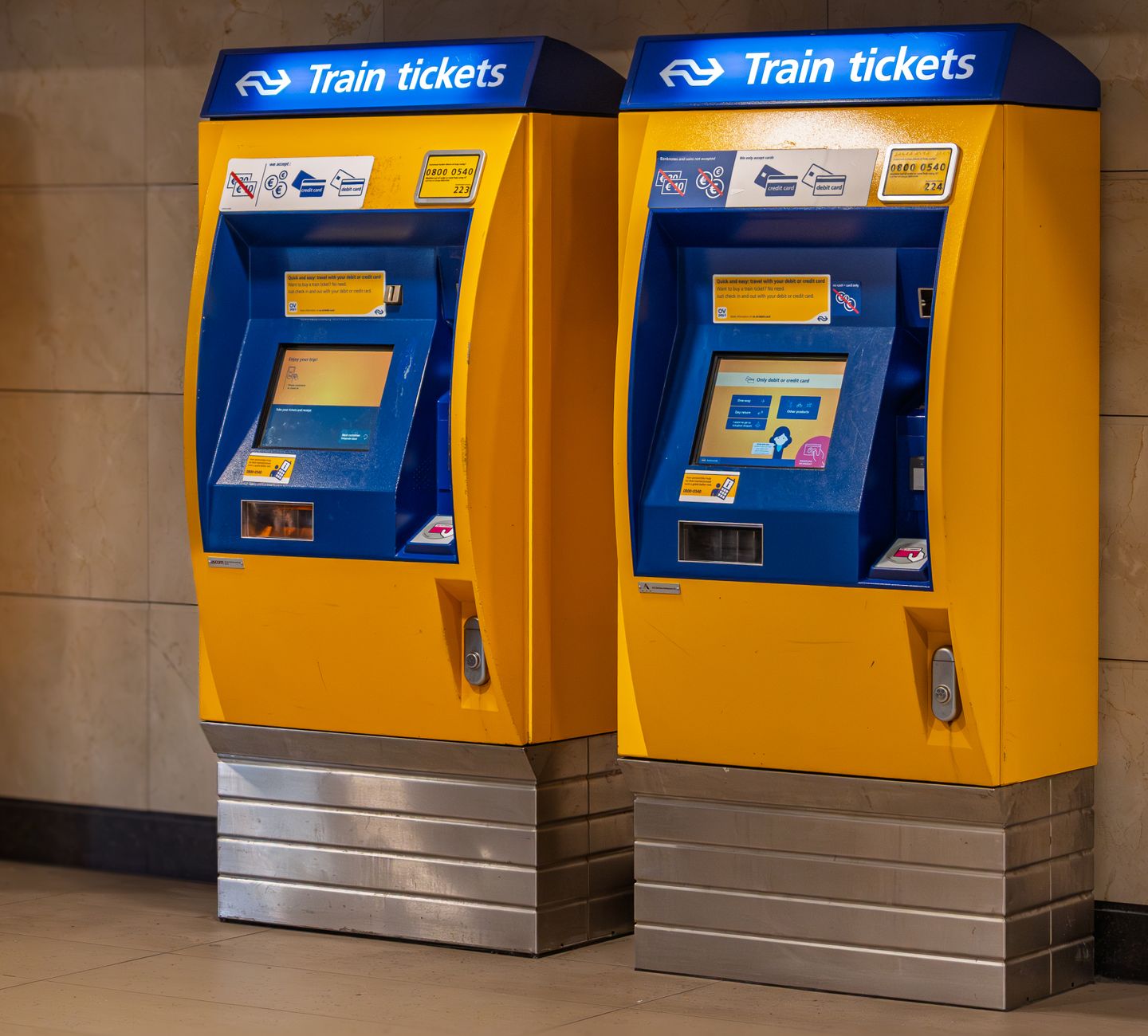
The first is cross-border ticketing. Anyone who has tried to buy a single through-ticket from, say, Amsterdam to Rome knows how fragmented European rail booking still is. A dedicated 2026 proposal aims to improve cross-border ticketing and booking, so that combining operators such as SNCF, Deutsche Bahn and Trenitalia on one journey becomes far simpler.
The second is ERTMS, the European Rail Traffic Management System — a single, shared signalling standard that lets one train run across borders without swapping systems at each frontier. A 2026 European ERTMS Deployment Plan is meant to harmonise the rollout, removing one of the biggest hidden causes of slow, change-heavy international journeys.
Put together, faster lines plus one signalling system plus joined-up ticketing is exactly what turns a theoretical map into a trip you can actually book. In the meantime, our guide to finding cheaper train tickets in Europe covers the tricks that already work today.
The routes already taking shape
You do not have to wait until 2040 to see the direction of travel. Several corridors are already moving:
- Paris–Munich: a new high-speed service by Deutsche Bahn and SNCF is due at the end of 2026 — the details are in our Paris–Munich high-speed guide.
- Prague–Copenhagen: a new direct daytime service linking Czechia, Germany and Denmark launched in 2026 — see our Prague–Copenhagen direct train article.
- Night trains: alongside daytime high-speed, sleeper services are expanding across the continent, as we cover in the night trains comeback.
National operators such as SNCF and Trenitalia are central to how these corridors come together, both inside their home countries and on the cross-border links the EU plan wants to knit into a single network.
In short
- The EU high-speed rail plan was launched by the European Commission on 5 November 2025.
- Goal: continuous high-speed rail between every EU capital and major city by 2040, based on the 2024 TEN-T regulation.
- New lines built for ≥250 km/h; upgraded lines for ≥200 km/h.
- Estimated cost: €345 billion for the planned network by 2040; around €546 billion to triple the network at 250 km/h+.
- Targets: double high-speed traffic by 2030 (vs 2015) and triple it by 2050.
- Two 2026 wins for passengers: better cross-border ticketing and a harmonised ERTMS signalling rollout.
Frequently asked questions
What is the EU high-speed rail plan?
It is a roadmap the European Commission launched on 5 November 2025 to connect every EU capital and major city with continuous high-speed rail by 2040, backed by the 2024 TEN-T regulation. It defines which lines to build or upgrade, how to finance them, and how to make trains run seamlessly across borders.
How fast will the trains be?
New high-speed lines must be built for at least 250 km/h, and upgraded lines for at least 200 km/h. The Commission also allows for speeds well above 250 km/h where it is economically justified.
How much will it cost?
The Commission estimates €345 billion to complete the currently planned TEN-T high-speed network by 2040. An external estimate puts the cost of tripling the existing network at 250 km/h or more at around €546 billion.
When will I actually see the benefits?
Some corridors, such as Paris–Munich and Prague–Copenhagen, are launching around 2026, and 2026 also brings proposals for cross-border ticketing and a harmonised ERTMS rollout. The full connected network is targeted for 2040. Until then, a search on Gopaxo shows the fastest and cheapest way to travel each route today.
Europe's railways are being redrawn for the next generation. Whether you are planning a trip this summer or dreaming of a capital-to-capital tour in 2040, compare your options on Gopaxo and travel the smart way.