Short answer: a series of Italy rail strikes in July 2026 is disrupting Trenitalia, Italo and regional services, including a national transport walkout planned for 15 July 2026. Italian law guarantees a minimum service in fixed time bands, cancelled trains are refundable, and buses, carpooling and non-rail options keep running when the tracks go quiet.
If you are travelling in Italy this month, plan around the strikes now. Italy's summer has brought a run of national and sector stoppages that hit Trenitalia, Italo and local operators on different days. The good news: strikes in Italy follow strict, predictable rules — guaranteed trains, published lists and clear refund rights — so a little preparation keeps your trip on track. Here is what we know, what you are owed if your train disappears, and how to get where you are going anyway.
What we know about the Italy rail strikes in July 2026
July 2026 has seen several separate actions rather than one single day:
- 6–7 July — a 24-hour national strike by Mercitalia Shunting & Terminal staff (from 21:00 on 6 July to 21:00 on 7 July), mainly affecting freight and shunting operations.
- 9–10 July — a national railway strike from 03:00 on 9 July to 02:00 on 10 July, with possible knock-on effects on Italo (NTV) crews and operational staff.
- 15 July — a national transport strike in the rail-services sector, affecting onboard catering and logistics staff (Elior/Itinere) for Trenitalia trains, with possible disruption to some services and onboard offerings.
On top of the walkouts, planned engineering works on the high-speed line through Florence (the Ponte al Pino bridge) are scheduled from 26 to 30 July, which can reshape timetables on the Rome–Milan corridor even on non-strike days. Always check your specific train, because the picture changes from one day to the next.
Which trains and services are affected
Strike notices in Italy usually cover the whole national rail system, but the impact is never uniform:
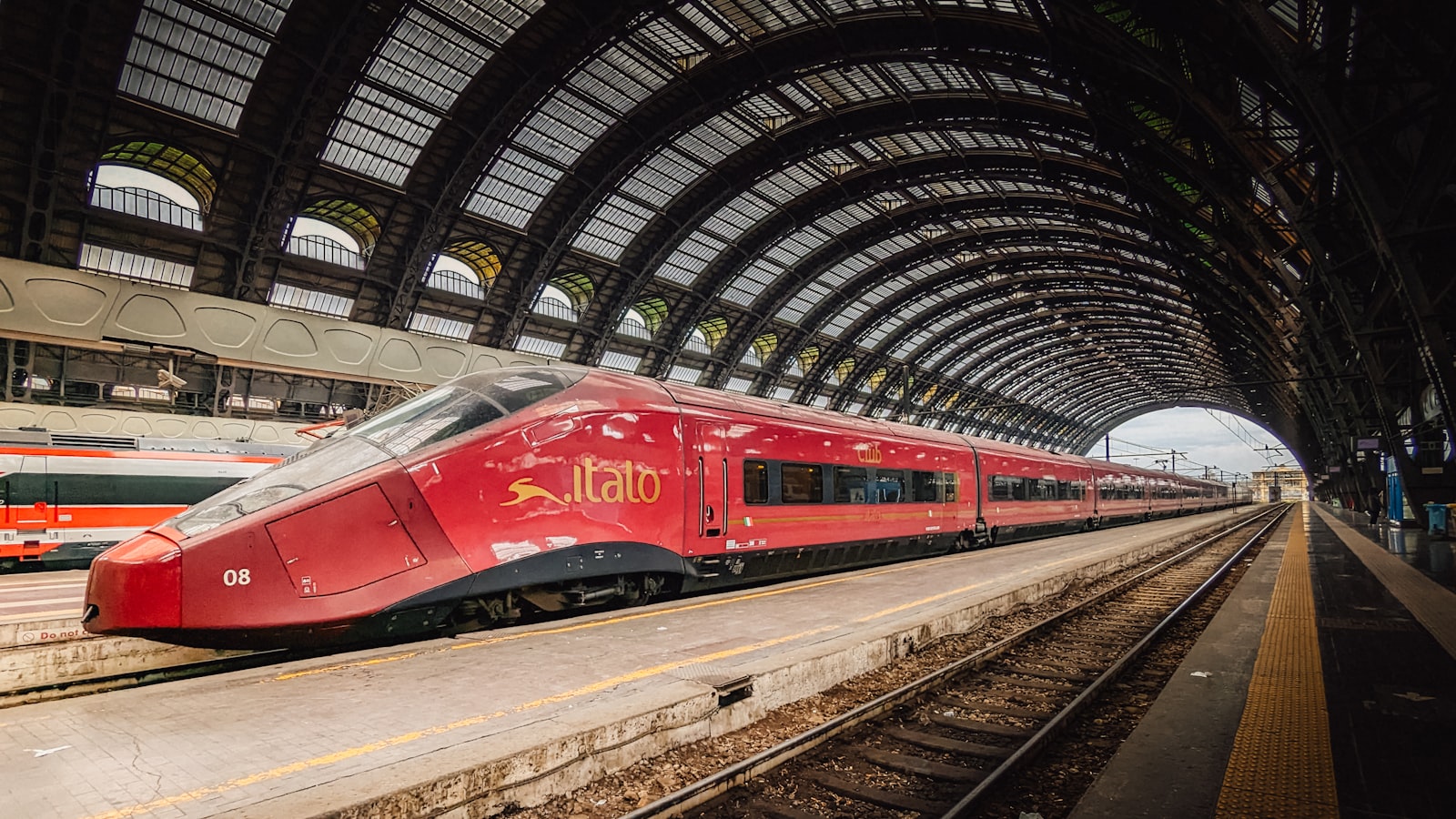
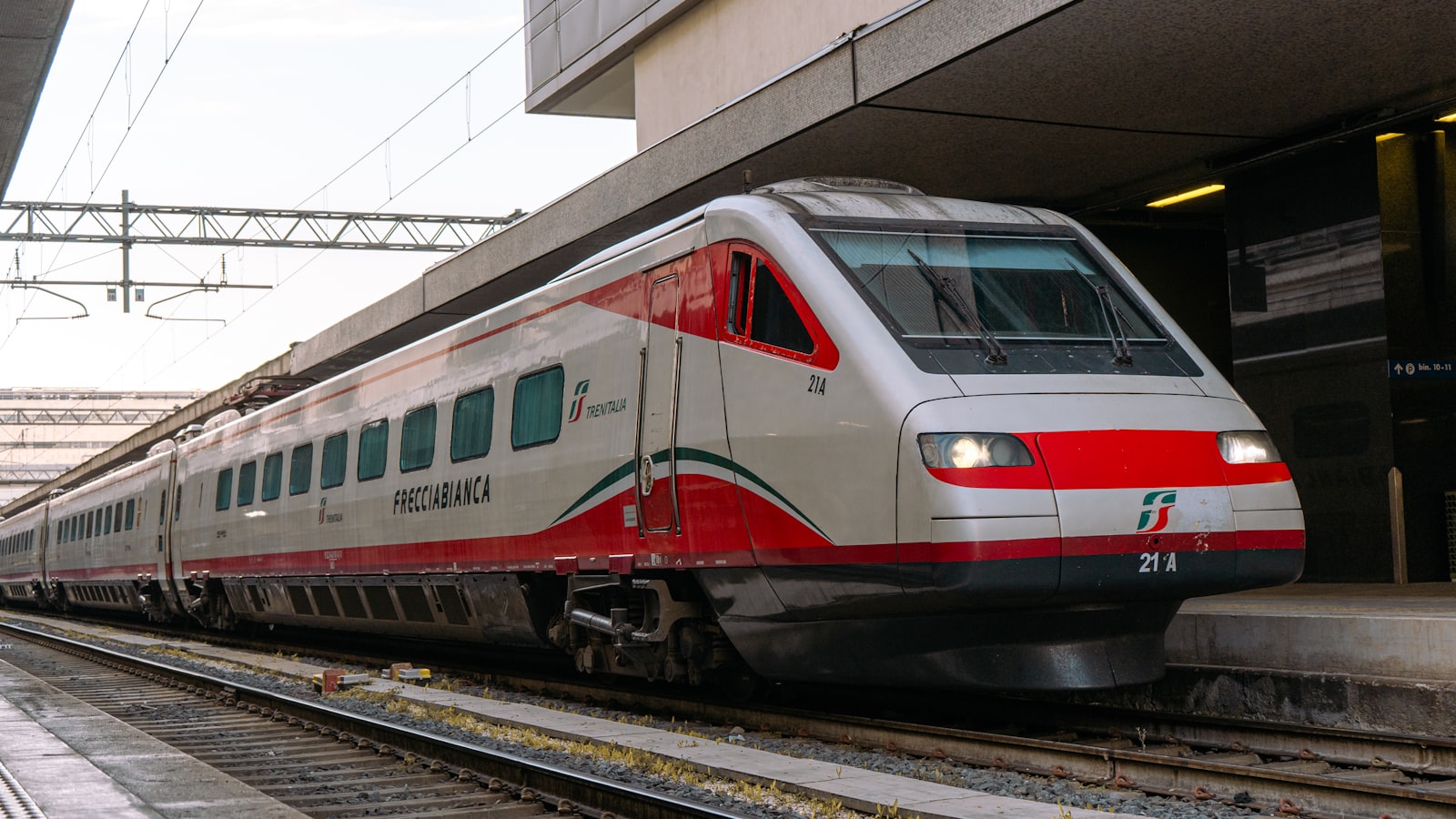
- High-speed (Frecciarossa, Frecciargento, Italo) — the flagship Rome–Milan, Milan–Naples and Turin–Venice services keep the largest share of guaranteed trains, but cancellations and re-timings are common.
- Intercity and long-distance — classic long-distance links, including overnight trains, are often among the hardest hit.
- Regional (Trenitalia and Trenord) — walkout rates are traditionally highest here; some regions run only a skeleton service.
- Airport links — connections such as the Leonardo Express to Rome Fiumicino can be reduced, so allow extra margin if you have a flight.
Because a single infrastructure strike (RFI signalling and control staff) can ripple across every operator on the network, even trains run by companies that are not on strike may pick up residual delays.
Guaranteed trains: your minimum service explained
This is where Italy is unusually traveller-friendly. By law, operators must run a minimum service on strike days, known as the fasce garantite (guaranteed bands):
- On weekdays, essential regional services are protected between 06:00–09:00 and 18:00–21:00 (Monday to Saturday).
- A list of guaranteed long-distance trains runs on all days, including holidays.
- Trenitalia and Italo publish the exact list of guaranteed trains on their websites, typically in the 24 hours before a strike begins.
The practical takeaway: check the guaranteed-train list the day before you travel, and where possible book onto a protected departure inside the morning or evening band.
Your rights if a strike cancels or delays your train
European and Italian passenger-rights rules protect you when your train is cancelled:
- Full refund — if your train is cancelled, you are entitled to a complete refund of the unused portion of your ticket, at no fee.
- Free rebooking — Trenitalia and Italo generally let you move to another departure around the strike date at no extra cost when your original train is cancelled.
- Assistance — if you are already mid-journey and left stranded, you have a right to care (refreshments and, where relevant, accommodation).
- Delay compensation caveat — for delays, operators can sometimes invoke a strike as an extraordinary circumstance, which may limit standard delay compensation. Refunds for outright cancellations still apply.
Do not cancel the ticket yourself before the operator officially cancels the train: a voluntary cancellation puts you back under normal fare conditions and can cost you the refund.
The best alternatives to keep travelling
A strike day is the textbook case where comparing every mode saves your trip. The realistic options:
- Long-distance buses — coaches such as FlixBus run entirely on the road network and are unaffected by rail strikes. On corridors like Milan–Rome, Rome–Naples or Florence–Bologna, buses are often the most reliable same-day fallback. Book early: seats sell out fast once a strike is announced.
- Carpooling — drivers keep driving, and extra passengers mean extra rides get posted. On busy inter-city routes, carpooling is frequently the cheapest option left.
- Guaranteed trains — if a protected departure fits your plans, it is still the fastest way between Italian cities.
- Shifting your date — the simplest fix of all. If your ticket is flexible or gets cancelled, moving a day either side of the strike usually means a normal timetable.
To see all of these side by side — trains, buses, carpooling and flights on the same screen — compare your route on Gopaxo and pick whatever still runs at the best price.
How to prepare if you must travel on a strike day
- Check the guaranteed-train list 24 hours ahead on the Trenitalia or Italo website for your exact route.
- Take the earliest departure you can. Morning trains inside the protected band are the most reliable; disruption compounds later in the day.
- Book a back-up bus or carpool seat now if your trip is critical.
- Allow generous margin for connections and airport transfers — a 20-minute buffer is not enough on a strike day.
- Keep receipts for any extra costs and claim your refund or rebooking as soon as the cancellation is confirmed.
If your plans are already unravelling because of a wider Italian rail shake-up, our note on the suspended Marseille–Rome night train shows why having a plan B ready matters more than ever this summer.
In short
- Multiple Italy rail strikes in July 2026 are hitting Trenitalia, Italo and regional trains, including a national transport strike on 15 July.
- Italian law guarantees a minimum service: weekday bands 06:00–09:00 and 18:00–21:00, plus a published list of guaranteed long-distance trains.
- A cancelled train means a full refund or free rebooking; delay compensation may be limited when a strike counts as an extraordinary event.
- FlixBus coaches and carpooling keep running and are the most reliable fallbacks.
- Compare every remaining option in one search on Gopaxo before seats run out.
Frequently asked questions
Will all trains be cancelled during an Italy rail strike in July 2026?
No. Even on national strike days, Italian operators must run a minimum service. Regional trains are protected in the 06:00–09:00 and 18:00–21:00 bands on weekdays, and Trenitalia and Italo publish a list of guaranteed long-distance trains about 24 hours in advance. Check your specific departure rather than assuming the worst.
My train was cancelled because of the strike. Do I get a refund?
Yes. A train cancelled by the operator entitles you to a full, fee-free refund of the unused portion of your ticket, or a free rebooking onto another departure around the strike date. Keep your booking reference and claim as soon as the cancellation is confirmed.
Are buses and carpooling affected by Italian rail strikes?
No. Long-distance coaches such as FlixBus and carpooling drivers run on the road network and are completely independent of the railways. They are the most reliable alternatives on strike days — but seats go quickly once a strike is announced, so book ahead.
How do I find the cheapest way to travel during the strike?
Compare every mode at once. A search on Gopaxo shows the remaining trains, buses, carpooling and flights for your route on the same screen, so you can grab the cheapest option that still runs instead of refreshing a single operator's site.
One strike day should not sink your trip. Check the guaranteed-train list as soon as it drops, know your refund rights, and keep a bus or carpool seat ready as plan B.