Short Answer: in 2026, the most effective strategy for traveling in Europe involves adopting a rigorously prepared multimodal approach. Facing fragmented railway network apps, combining a powerful smartphone with good comfort accessories allows transforming the train from a simple A-B means into a productive and relaxing space.
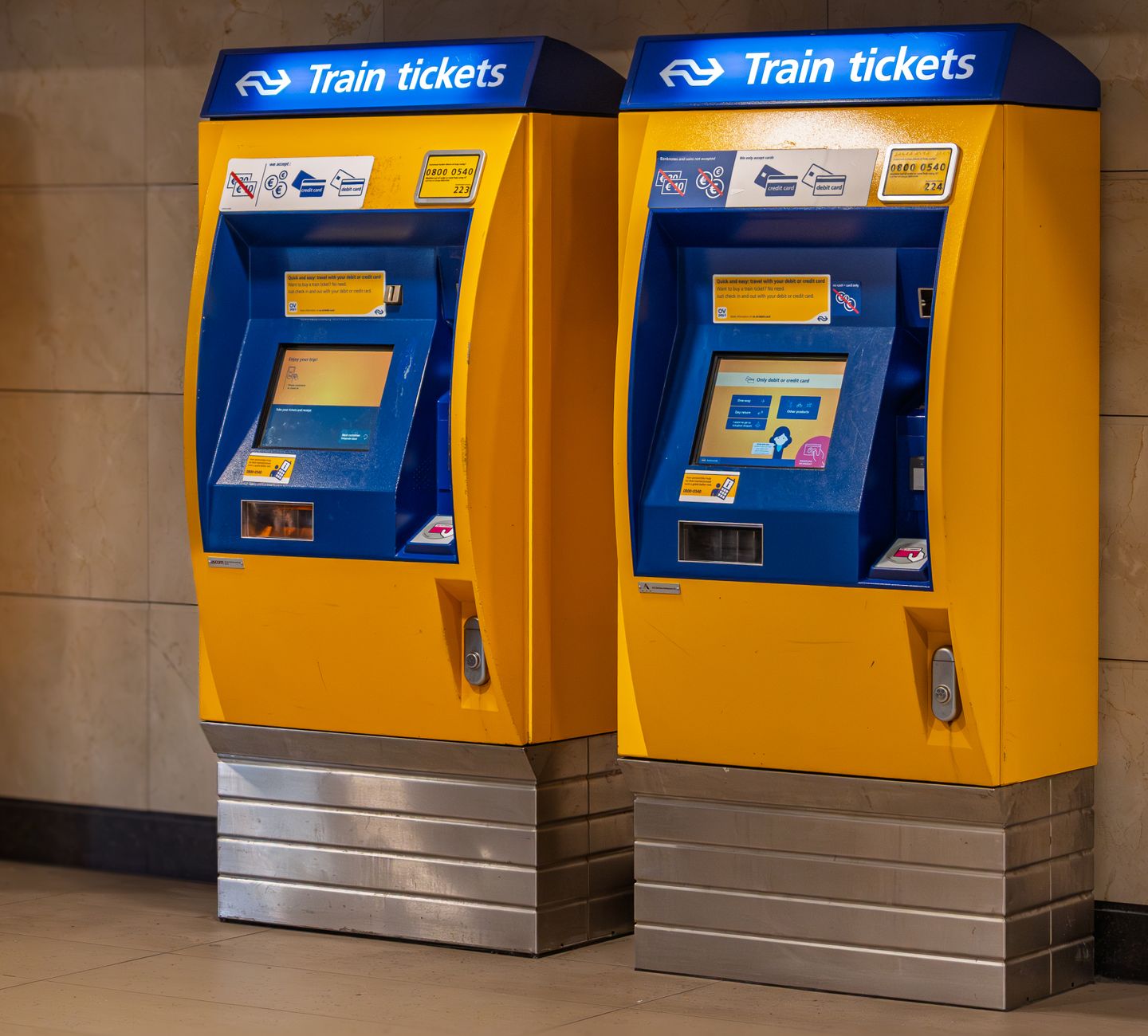
The European traveler of today can no longer just arrive at the station. They must now manage a digital ecosystem before even leaving their home. Between SNCF Connect, ÖBB Navigator and DB Navigator, each app has its own codes for displaying electronic tickets or validating a QR Code in parking areas.

The Digital Paradox: Between Comfort and Interface Fragmentation
The train is now presented as the preferred mode of transport for soft mobility. However, user experience (UX) often tends to be marked by surprising technical complexity. A ticket purchased on a site may not transfer correctly to your smartwatch if the ecosystem is not certified.
Why Managing Apps Remains Complex
Although high-speed and regional lines are multiplying, they are often managed by different information systems. To reach a precise destination in Switzerland or Austria, travelers sometimes have to switch between paper tickets (for certain regions) and mobile devices. This is where technical multimodality makes its full sense.
To optimize your extended layovers at central stations like Gare de Lyon or Wien Hauptbahnhof, the use of a high-capacity power bank(https://www.amazon.fr/s?k=power+bank+haute+capacit%C3%A9&tag=gopaxo-21) is indispensable. The smartphone battery often runs out before the connection ends, especially if you need to scan a ticket at the terminal station.
Plane or Train: The Importance of Digital Tools
The era where one could buy tickets without a credit card seems to be fading away. In 2026, pressure on prices pushes an increasing number of travelers to use low-cost or direct solutions in Europe.
Comparison of Ticket Validation Tools
| Criterion | Paper Ticket (Valid) | Mobile App (NFC/QR) | :--- | :--- | :--- | Validation → Scan at counter or automatic machine | Validate without contact via NFC or QR Code | | Handling | Risk of loss, no notification | Fragility | Sensitive to fatty material (hands) | | Synchronization| No need for Internet once obtained|
The train thus becomes a credible option not because it has suddenly become "cheap", but because the plane lost its competitive advantage on trips under 800 kilometers. However, for digital nomads who work in stations or during connections.

Comfort Management: Your Workspace on the Move
The plane remains unbeatable for very long distances for some, but the train is gaining ground thanks to new direct lines and attractive fares. To work calmly in an open or closed compartment.
Sound as the Invisible Enemy of Nomad Travelers
The soundscape at stations is often chaotic: arrival announcements, slamming doors, conversations from neighbors. In 2026, environmental noise can disturb concentration on a laptop.
Active Noise Cancelling Headsets have become indispensable for reading or professional calls without interruption. Whether traveling to Berlin with the Thalys or Rome with ICE, you must guarantee your personal sound space. An active noise cancelling headset(https://www.amazon.fr/s?k=casque+audio+r%C3%A9duction+active&tag=gopaxo-21) is a minimal investment that transforms stressful connections into productive work sessions.
Document Organization and Quick Access to Tickets
To avoid losing your ticket in the crowd, there are several solutions. Some travelers prefer storing their tickets on their smartwatch or RFID keychain for immediate access.
An anti-scratch smartphone protector(https://www.amazon.fr/s?k=protection+antirayure+smartphone&tag=gopaxo-21) is essential if you use your touch screen as a support for constant exchange. Displaying QR Codes in bright sunlight can sometimes be difficult without quality protection.
Digital Security and Data Management
Travelers must beware of scams related to fake tickets or insecure public WiFi connections at stations. Ameli does not handle trains, but the authorization principle is similar: check the issuer.
Best Practices to Avoid Railway Fraud
- Source Verification: Never pay for a ticket via an unknown app. Prioritize official sites like SNCF Connect, Trenitalia or SBB Mobiles.
- QR Code Backup: In case of phone loss (frequent scenario in Paris Gare du Nord), always keep a screenshot on your personal cloud in offline mode.

Managing Internet Connection at Stations
WiFi connections in stations are often slow or saturated. To download tickets and boarding cards before departure, a travel eSIM without contract(https://www.amazon.fr/s?k=esim+voyage+sans+contrat&tag=gopaxo-21) allows you to stay connected with an instant local data plan.
Connection Strategy: Planning Your Electric Charge
Stations like Stuttgart or Lyon Part-Dieu often have charging tools, but they are not always accessible to passengers in transit. To avoid your smartphone staying at 0% on the last kilometer.
The Recommended Ecosystem of Accessories for Rail Travelers
Here is a pragmatic selection of objects that facilitate life without overloading luggage:
- Power Bank: For recharging before boarding or during long connections (e.g., Paris-Vienna).
- Reading Stands: A compact e-reader(https://www.amazon.fr/s?k=liseuse+compacte&tag=gopaxo-21) allows reading paper guides without a tiring screen.
- Anti-Theft Satchel: For storing the phone and tickets securely in an open compartment.
Railway Infrastructure: Where are Comfortable Zones?
According to ANSES, traveler health depends on their immediate environment (air quality, noise). In 2026, certain stations like Munich offer dedicated zones for digital nomads.
Differences Between European Networks
- SNCF: Unified app for TGV and Intercités. Often requires manual validation at the onboard terminal (QR).
- ÖBB/DB: Very advanced NFC system, sometimes allowing direct access without scanning.
- RegioJet/FlixBus: Separate apps that do not connect to classic railway networks.
Guide of High-Performance WiFi Zones in 2026
Major stations like Paris Gare Saint-Lazare or Wien Hauptbahnhof often have free Wi-Fi coverage. However, to download a ticket beforehand, you need stable connection before leaving the platform.
Conclusion: Towards Frictionless Connected Mobility
The train is now presented as the credible and sustainable alternative to planes. However, as highlighted by several recent reports relayed by Ouest-France, travelers must now master their digital tools to avoid blocks.
Technical multimodality thus becomes personal professional competence. Between occasional crises in the aviation sector and a railway network currently transforming, digital flexibility has become number one skill. If political ambition is strong with the "single ticket" project in the European Union.
In 2026, optimizing your journey no longer consists simply of choosing between SNCF or ÖBB but preparing your battery, your headsets and your data. The next direct train Zurich–Florence or Nightjet night service will also be a digital platform.
Adopting these practices guarantees not only route security, but significantly reduces operation costs (stress, time lost).