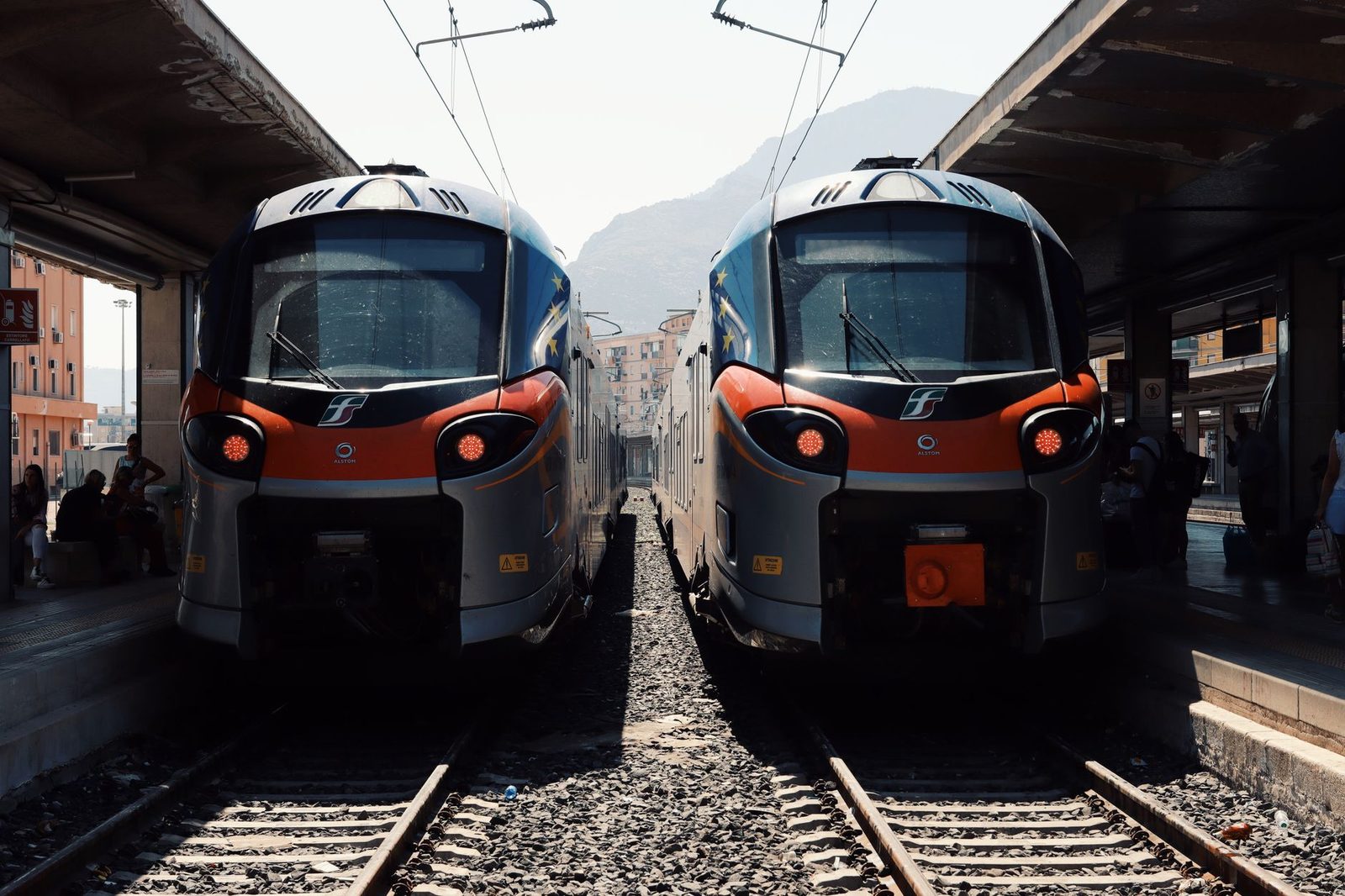
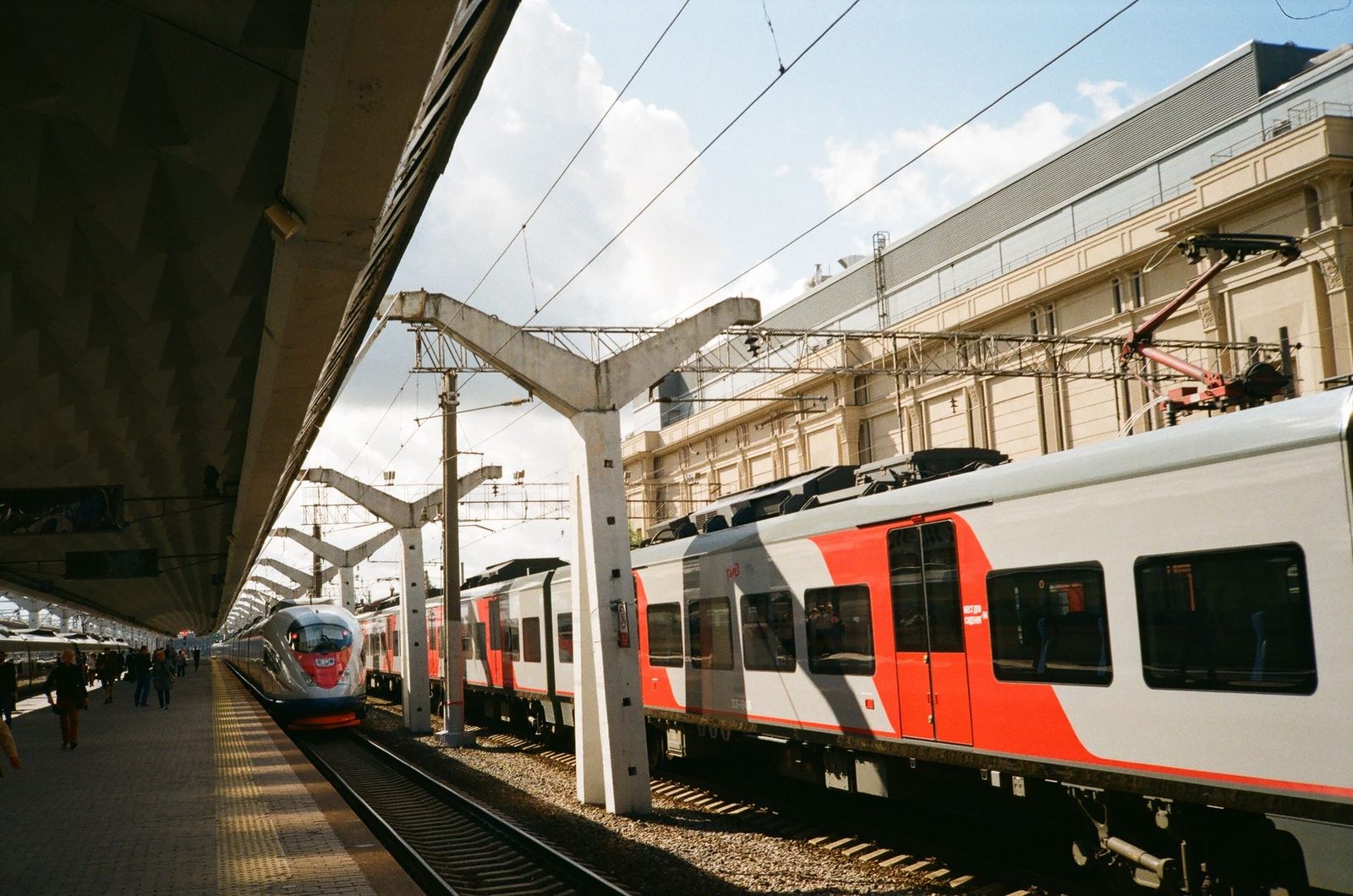
Short answer: on the routes it serves (Hamburg–Cologne, Berlin–Stuttgart, Berlin–Hamburg, Cologne–Munich), FlixTrain is generally 30 to 60% cheaper than Deutsche Bahn — often under €20 if booked in advance, versus €40 to €120 for an ICE on a Flexpreis fare — but the journey is 1 to 3 hours longer, there are only one to three round trips a day, the BahnCard doesn't apply and neither does the Deutschlandticket. Choose FlixTrain if your date is fixed, you're travelling light and you can accept a longer journey time. Choose DB's ICE if you have an onward connection, a BahnCard, a flexible-time ticket, or a journey that falls outside FlixTrain's handful of routes.
In Germany, the long-distance network is no longer a monopoly: alongside Deutsche Bahn's white, red-striped ICEs run the lime-green trainsets of FlixTrain, the rail arm of the Flix group (which also operates FlixBus). The question travellers heading to Berlin, Hamburg or Munich ask is simple: is it really cheaper, and what do you give up in return? This guide compares the two offers point by point — prices, routes, journey times, luggage, comfort, delays — ahead of the 13 December 2026 timetable change, which reshuffles the cards on the German network every year.
1. Two opposing rail models
The difference has nothing to do with the tracks: FlixTrain runs on the same DB InfraGO network as the ICEs, calls at the same stations and pays track access charges to the same infrastructure manager. Everything else diverges.
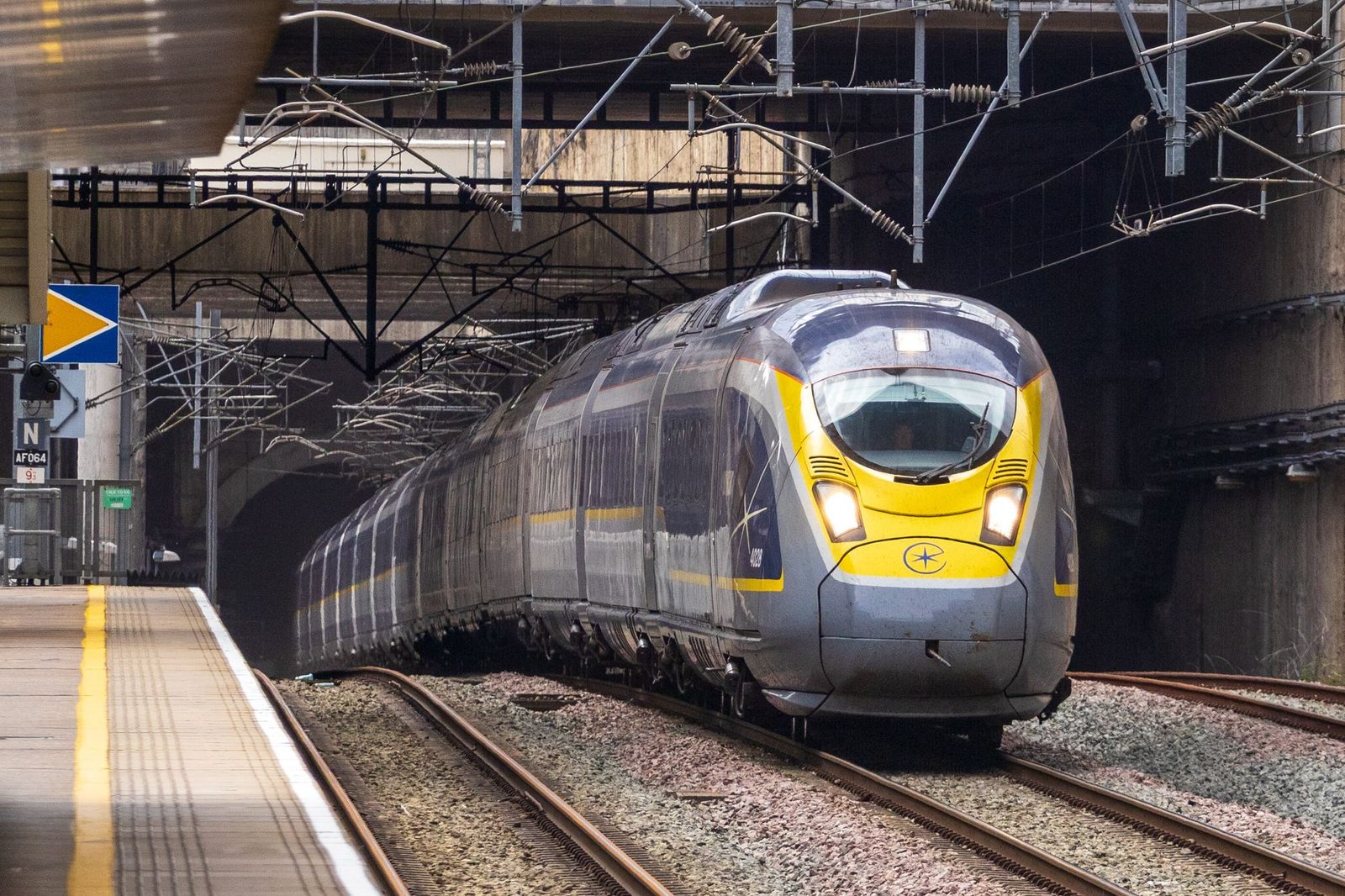
- Deutsche Bahn operates a meshed network: ICE (high speed, up to 300 km/h), IC/EC (conventional), plus the regional network. Dozens of departures a day on the main corridors, two classes, a restaurant car on most ICEs, and guaranteed connections between DB trains.
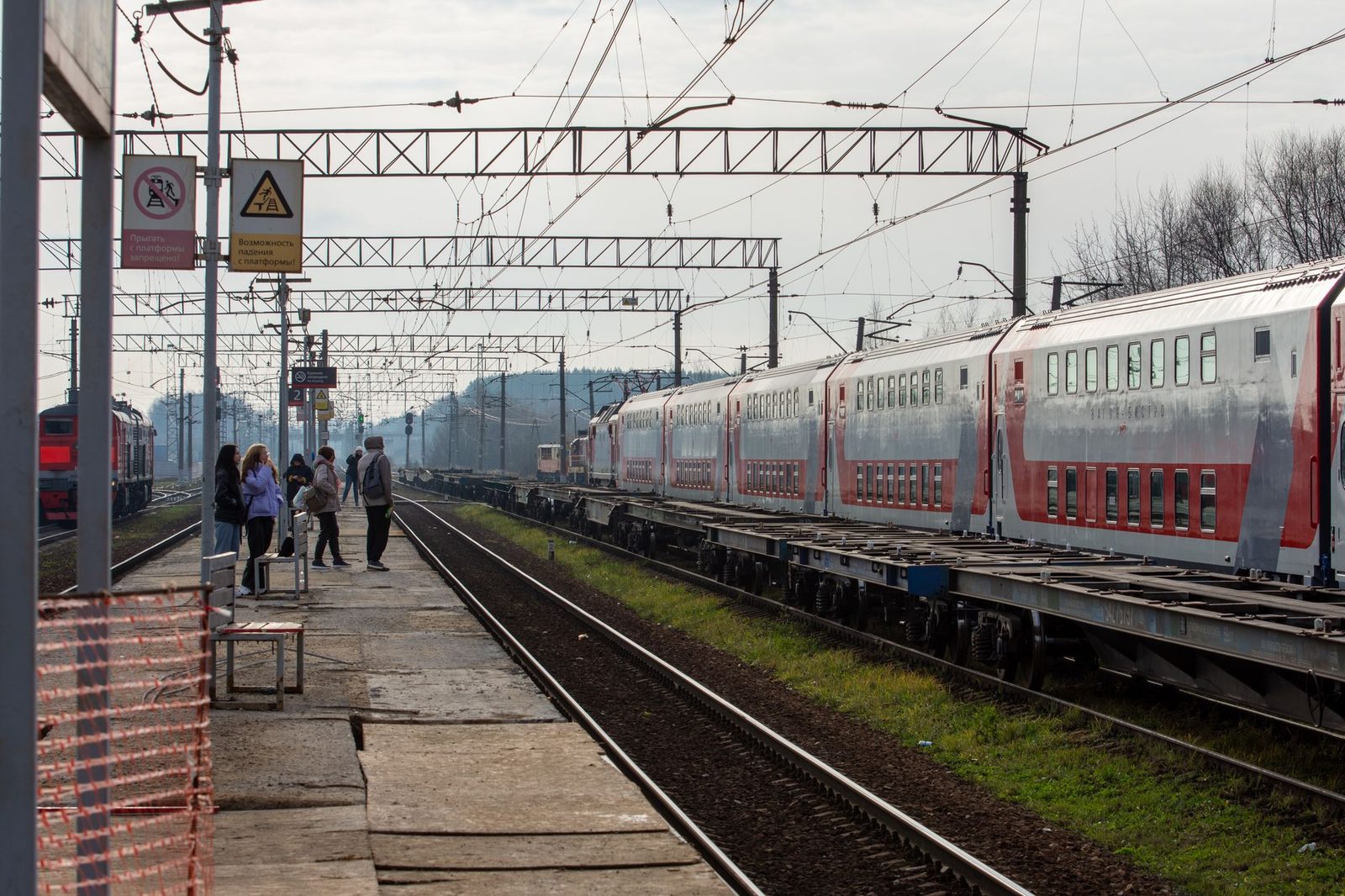
- FlixTrain works like a low-cost carrier: a handful of targeted routes, one to three services a day, trainsets leased from partner operators (conventional loco-hauled stock, sometimes elderly, gradually being renewed), no restaurant car but an at-seat trolley service, and a single class with a few "comfort" carriages.
The commercial logic is clear: FlixTrain isn't trying to replace DB, it targets the traveller comparing an ICE ticket with a FlixBus ticket who switches to rail when the price is close. It's exactly the same reasoning behind Ouigo versus TGV Inoui in France — we broke it down in our Ouigo or TGV Inoui comparison.
2. FlixTrain routes in 2026: where the trains actually run
The FlixTrain network changes every year, with routes launched, extended or dropped. The historically most stable corridors:
| Route | Cities served (main ones) | Indicative frequency | FlixTrain journey time | ICE journey time |
|---|---|---|---|---|
| Hamburg–Cologne | Hamburg, Bremen, Osnabrück, Münster, Dortmund, Essen, Duisburg, Düsseldorf, Cologne | 1 to 2 round trips a day | ≈ 5 hrs | ≈ 4 hrs |
| Berlin–Stuttgart | Berlin, Halle, Erfurt, Frankfurt, Mannheim, Stuttgart | 1 round trip a day | ≈ 8 hrs | ≈ 5 hrs 30 |
| Berlin–Hamburg | Berlin, Wittenberge, Hamburg | 1 to 2 round trips a day | ≈ 2 hrs 30–3 hrs | ≈ 1 hr 45 |
| Cologne–Munich | Cologne, Bonn, Koblenz, Mainz, Frankfurt, Würzburg, Nuremberg, Munich | 1 round trip a day | ≈ 7 hrs | ≈ 4 hrs 30 |
| Aachen–Leipzig | Aachen, Cologne, Hanover, Magdeburg, Leipzig | seasonal | ≈ 7 hrs | ≈ 5 hrs |
Worth remembering: FlixTrain does not serve every major German city. Dresden, Rostock, Kiel, Freiburg and Saarbrücken frequently fall outside its network, and seasonal services (Berlin–Westerland in summer, for example) are never guaranteed from one year to the next.
Two practical points that cost you dearly if you only discover them on the spot:
- Stations are sometimes out on the edge of town. In Berlin, FlixTrain often favours Berlin Südkreuz and Berlin Hauptbahnhof, but some routes don't call at Hauptbahnhof at all. In Munich it's München Hauptbahnhof; in Frankfurt, Frankfurt (Main) Hbf or Frankfurt Süd depending on the service. Check the exact station on your ticket.
- A single daily service leaves no room for recovery. Miss the day's only FlixTrain and the next one is… tomorrow. With DB, there's usually another train within the hour.
3. Prices: what you actually pay
FlixTrain runs aggressive yield management: the first tickets released often go for around €9.99 to €19.99, then climb. Booking two to four weeks ahead, Berlin–Cologne commonly comes in at around €25–35, versus €60 to €130 for the same trip on an ICE at Flexpreis (the full, exchangeable fare).
But an honest comparison has to be made on equivalent fare conditions:
| Criterion | FlixTrain | Deutsche Bahn (ICE) |
|---|---|---|
| Lowest advance fare | €9.99–19.99 | Super Sparpreis from €17.99–21.99 |
| Last-minute fare | €30–60 | Flexpreis €60–160 |
| Seat reservation | €3–6 as an add-on (otherwise unreserved) | Included in 1st class, approx. €5.50 in 2nd |
| Exchange / cancellation | Paid add-on at purchase, otherwise non-refundable | Super Sparpreis non-exchangeable, Sparpreis with a fee, Flexpreis fully flexible |
| Discount cards accepted | None (neither BahnCard nor Deutschlandticket) | BahnCard 25/50/100, Deutschlandticket (regional only) |
The conclusion is counter-intuitive: DB with a Super Sparpreis booked very early can be just as competitive as FlixTrain, especially if you hold a BahnCard. To work out which card pays off given how often you travel, our BahnCard 25, 50 or 100 guide sets out the break-even points precisely. FlixTrain wins above all at the last minute: that's when the gap with Flexpreis becomes enormous.
The add-on trap
The price shown on flixtrain.com is a bare fare. Depending on the case, you then add:
- the reserved seat (otherwise you're hunting for a free seat on a full train);
- extra luggage beyond the included allowance;
- the flexibility option, available at booking only;
- a bicycle, in very limited numbers and to be reserved separately.
Add it all up before drawing conclusions: a €19.99 ticket with a seat and a large bag quickly climbs towards €30.
4. Luggage: the real day-to-day difference
This is where the two models clash most sharply.
- Deutsche Bahn: no strict limit on the number or weight of hand luggage and suitcases, as long as you can carry them yourself and stow them. ICEs have spaces at the carriage ends, overhead racks and compartments between seat backs. No surcharge.
- FlixTrain: a typical allowance of one piece of hand luggage + one medium-sized bag included, with a surcharge beyond that. Conventional carriages have narrower overhead racks and fewer dedicated luggage spaces than ICEs; oversized suitcases are a genuine problem at peak times.
In both cases, physical reality rules: a 55 cm hard-shell cabin case fits anywhere, while a large 75 cm checked case quickly becomes unwieldy in a German corridor coach. And since you can't always vouch for whoever is sharing your luggage rack, a cable TSA padlock remains the single most useful purchase for rail travel. For an operator-by-operator breakdown, see our guide to luggage on European trains.
5. Comfort, power sockets and Wi-Fi
| Feature | FlixTrain | Deutsche Bahn ICE |
|---|---|---|
| Classes | One class + "comfort" carriages | 1st and 2nd |
| Power sockets | Present in most carriages, not universal | At every seat as standard |
| Wi-Fi | Free, variable quality | Free (WIFIonICE), decent speeds |
| Catering | Trolley service / vending machine | Bordbistro or Bordrestaurant |
| Quiet zone / family space | Limited | Quiet zone, family compartment, mobile-phone area |
On FlixTrain runs of 7 to 8 hours (Cologne–Munich, Berlin–Stuttgart), the absence of a restaurant car is noticeable. Packing something to eat and a stainless steel insulated bottle genuinely changes the day, all the more so as older carriages are sometimes poorly air-conditioned in summer. Noise-cancelling headphones also make a real difference in an open coach with no quiet zone. On connectivity, our network tests along Europe's main corridors are detailed in Wi-Fi and mobile data on trains and buses in Europe.
6. Delays, cancellations and connections: the part that hurts
Both operators fall under EU Regulation 2021/782 on rail passenger rights. The baseline is therefore identical:
- 25% of the ticket price refunded from 60 minutes of delay on arrival;
- 50% from 120 minutes;
- assistance (meals, accommodation if necessary) in the event of a prolonged stranding.
DB additionally applies its own well-oiled Fahrgastrechte rules: forms available on board and at ticket offices, online processing via the DB Navigator app, and above all the option, if your long-distance train is expected to be more than 20 minutes late, to take another DB train at no extra cost (excluding trains with compulsory reservation). FlixTrain, by contrast, can't move you onto another of its own services — it only runs one train a day — and won't automatically rebook you onto an ICE.
The golden rule: a FlixTrain ticket is not accepted on a DB train, and vice versa. There are no guaranteed connections between the two networks. If you string a FlixTrain and an ICE together on the same journey, those are two separate transport contracts — if something goes wrong, nobody will cover the second ticket.
This ties in with the mechanism we set out in Missed train connection: who pays for what in Europe. Practical rule: leave at least 60 minutes between a FlixTrain and a separately purchased DB train, and 90 minutes if it's the last service of the day.
7. The 13 December 2026 timetable change
Every second Sunday in December, Germany switches to its new annual timetable (Fahrplanwechsel). Three concrete consequences:
- FlixTrain routes can change: extensions, withdrawals, altered calling patterns. Tickets go on sale later than DB's, which generally opens long-distance bookings in mid-October for the post-December period.
- DB fares are readjusted on that date, including BahnCard prices.
- Major renovation works on German corridors (the Generalsanierung programme covering the busiest routes) regularly push trains onto diversionary routes: FlixTrain, with just one path a day, is often hit hardest.
So before buying for January, check the actual timetable for the exact day you're travelling rather than a theoretical schedule.
8. Which train suits your profile
Take FlixTrain if:
- your journey is on a route it serves (Hamburg–Cologne and Berlin–Hamburg above all);
- your date is fixed and you have no onward connection;
- you're booking at the last minute and DB is only showing Flexpreis;
- you're travelling light and can accept a longer journey time;
- you're really comparing it with a long-distance coach: for €5 to €10 more, the train stays more comfortable than the bus (see our guide to long-distance buses in Europe).
Take the ICE if:
- you have a BahnCard or are buying a Super Sparpreis well in advance;
- you're connecting onto another train, a flight or a bus booked separately;
- you're travelling with children, bulky luggage or a bike;
- your destination is not on the FlixTrain network (which is the case for most German cities);
- you want to be able to change your mind on the day.
Three habits to adopt before you book
- Always compare the final price including add-ons (seat + luggage), not the headline fare.
- Check the exact departure and arrival stations, especially in Berlin and Frankfurt.
- For long journeys, pack a smartphone power bank: a socket isn't guaranteed at every seat on FlixTrain stock, and a digital ticket on a dead phone is a lost ticket. A European plug adapter is still handy if you're continuing on to Switzerland or the UK.
Frequently asked questions
Does the BahnCard work on FlixTrain?
No. FlixTrain is an operator independent of Deutsche Bahn: neither the BahnCard 25/50/100, nor the Deutschlandticket, nor the Länder-Tickets entitle you to a discount or a journey. FlixTrain discounts come solely through its own promotions and through booking early.
Is FlixTrain delayed more often than DB?
FlixTrain runs on the same congested network, with train paths given lower priority than ICEs: it is therefore structurally exposed to delays on busy corridors. DB's own long-distance punctuality remains well below that of the Swiss or Austrian operators, and both companies suffer from the same engineering works.
Can you take a bike on a FlixTrain?
Yes, but spaces are very limited and must be reserved in advance, separately from the passenger ticket. Not every route offers the option. On the ICE, bike spaces are also capped, with reservation compulsory on the trains that accept them. Details in our guide to taking your bike on the train in Europe.
What happens if my FlixTrain is cancelled?
You're entitled to a full refund or to the rerouting FlixTrain offers. In practice, since there's only one train a day, rerouting often means the next day or a transfer onto a FlixBus. FlixTrain won't spontaneously buy you a DB ticket: the claim has to go through customer service, and the EU regulation applies, with compensation at 25% and 50% depending on the final delay.
Do you need to print your ticket?
No, the e-ticket in the app is enough with both operators. Just remember to download it as a PDF for offline use: checks often happen in areas with no signal, notably between Wittenberge and Hamburg or in the tunnels on the Erfurt–Nuremberg high-speed line.
In summary
- FlixTrain: cheaper, especially last minute; few routes, 1 to 3 services a day, journeys 1 to 3 hours longer, limited luggage, no discount cards accepted.
- Deutsche Bahn: dense network, protected connections between DB trains, unrestricted luggage, sockets and on-board catering; competitive if you book early (Super Sparpreis) or hold a BahnCard, very expensive at Flexpreis.
- Never plan a tight mixed connection: a FlixTrain ticket and a DB ticket are two separate contracts, so allow 60 to 90 minutes of margin.
- 13 December 2026 reshuffles timetables and prices: check your exact journey before buying for January.
- To compare train, bus, ridesharing and air travel on the same German route at a glance, compare on Gopaxo or see our frequently asked questions.