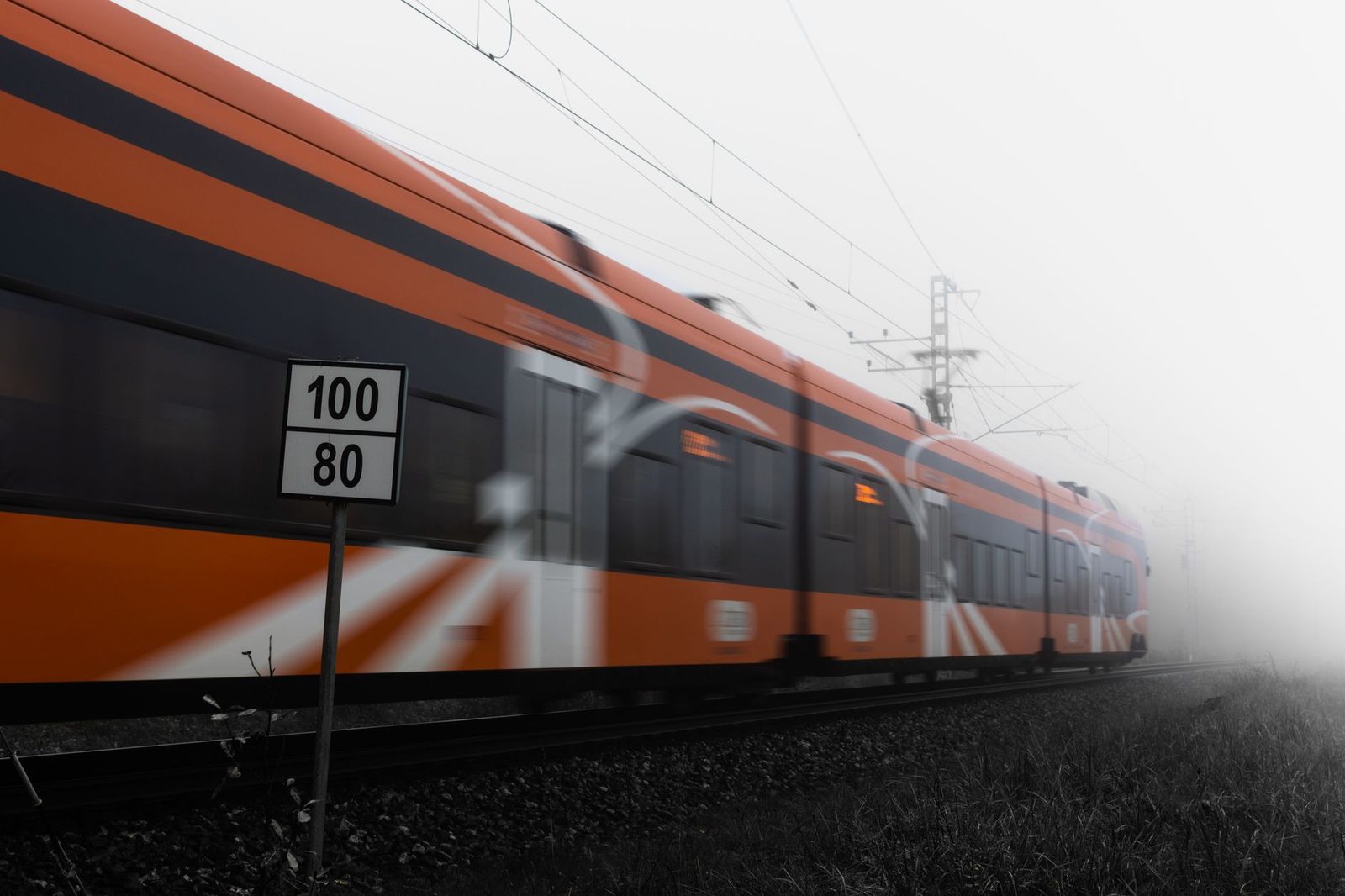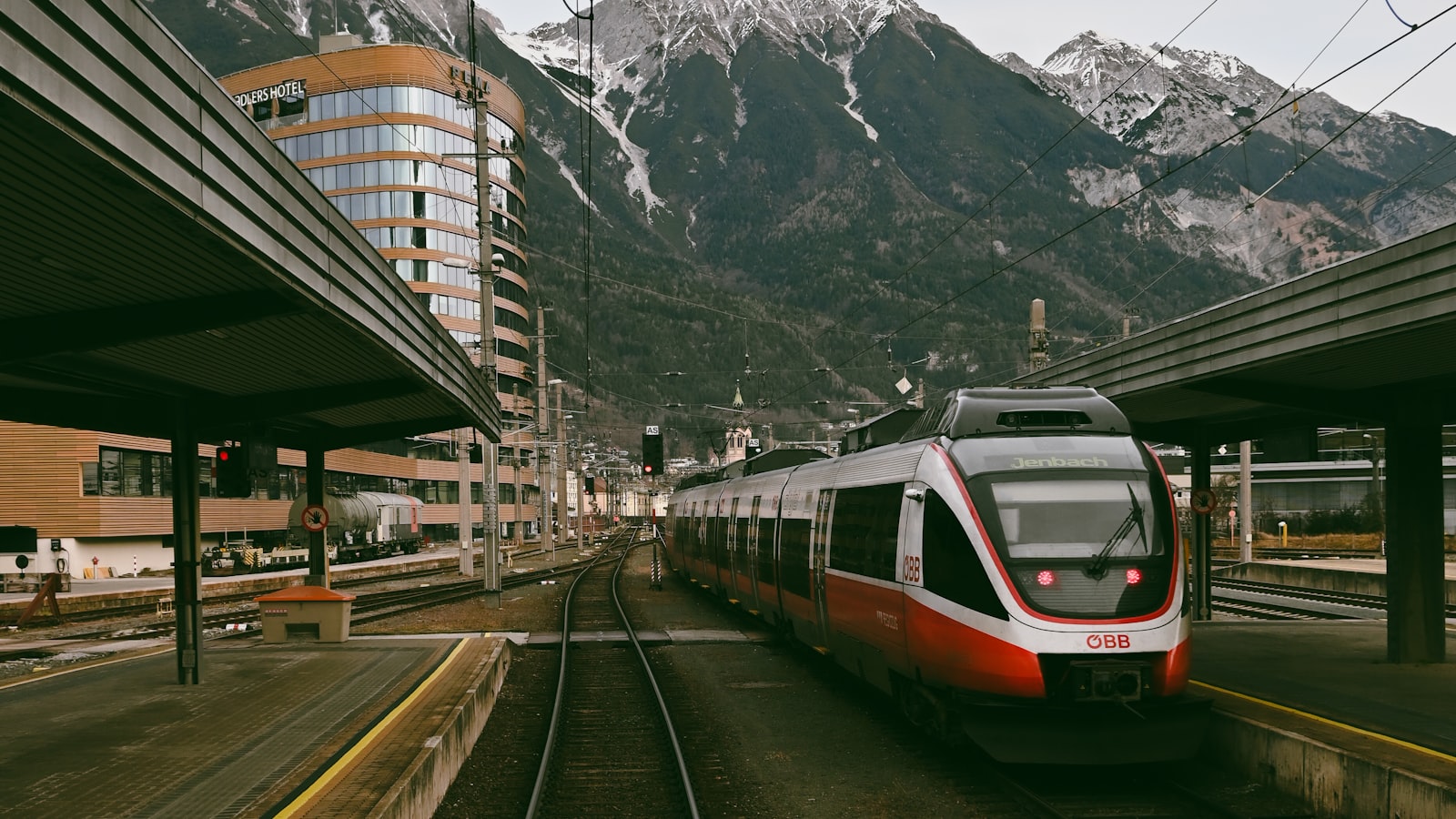
Short answer: The Koralmbahn is a new 127 km high-speed line in Austria that opened on 14 December 2025. It connects Graz and Klagenfurt in around 45 minutes — down from roughly three hours — by tunnelling straight through the Alps in the 33 km Koralm Tunnel. ÖBB now runs up to 29 connections a day each way, putting two regional capitals within commuting distance of each other for the first time.
For decades, travelling between Styria's capital Graz and Carinthia's capital Klagenfurt meant a slow, looping rail journey of about three hours — or backtracking north to Bruck an der Mur, because the mountains in between left no direct line. The Koralmbahn changes that completely. After 27 years of construction and several billion euros of investment, Austria's biggest-ever rail project went live with the December 2025 timetable change, and it has quietly rewritten the map of southern Austria.
What the Koralmbahn high-speed line actually is
The Koralmbahn is a 127 km, double-track, electrified high-speed railway built for trains running up to 250 km/h. It links Graz Hauptbahnhof and Klagenfurt Hauptbahnhof with 12 stations along the way, and it is engineered for both fast passenger services and heavy freight.
The centrepiece is the Koralm Tunnel, a 33 km bore beneath the Koralpe mountains that separate Styria from Carinthia. It is the sixth-longest railway tunnel in the world — two single-track tubes linked by cross-passages every 500 metres, with an emergency station halfway. Boring it took years; the wider project was first commissioned back in 1999, with the Carinthian section opening for local trains in December 2023 and the full line going live in December 2025.
The result is dramatic. The fastest ÖBB Railjet services now cover Graz–Klagenfurt in about 41 to 45 minutes, against the old three-hour slog. ÖBB scheduled roughly 29 connections per day in each direction from launch — turning a rare intercity trip into something you can do on a whim, for work or a day out. If you want to line that fare up against a bus or a car share for the same route, you can compare every option on Gopaxo on a single screen.
Why 45 minutes instead of three hours matters
Cutting a journey from 180 minutes to 45 is not just a convenience — it reshapes how a region works. Graz (around 300,000 people) and Klagenfurt (around 100,000) were effectively separate labour and study markets. With a sub-hour ride, commuting, university trips and business travel between the two suddenly make sense by rail, and the new Weststeiermark and Lavanttal stations act as regional hubs feeding the fast line from surrounding towns.
There is a climate angle too. A 45-minute electric train is a hard act for the car to beat on the A2 motorway over the Pack pass, especially in winter. Every trip shifted from road to rail is a small win for southern Austria's emissions, and it fits the broader European push to make trains the default for medium distances — the same logic driving the comeback of night trains across Europe.
The bigger picture: the Baltic–Adriatic Corridor
The Koralmbahn was never only about Graz and Klagenfurt. It is a key link in the Baltic–Adriatic Corridor, one of the European Union's TEN-T core network axes, running from the Polish port of Gdańsk down through Vienna and the Alps toward the Italian Adriatic. By removing the old detour, the line gives freight a faster, flatter path between the Baltic and the Mediterranean, and it connects onward to Italy's Pontebbana route via Tarvisio and Udine.
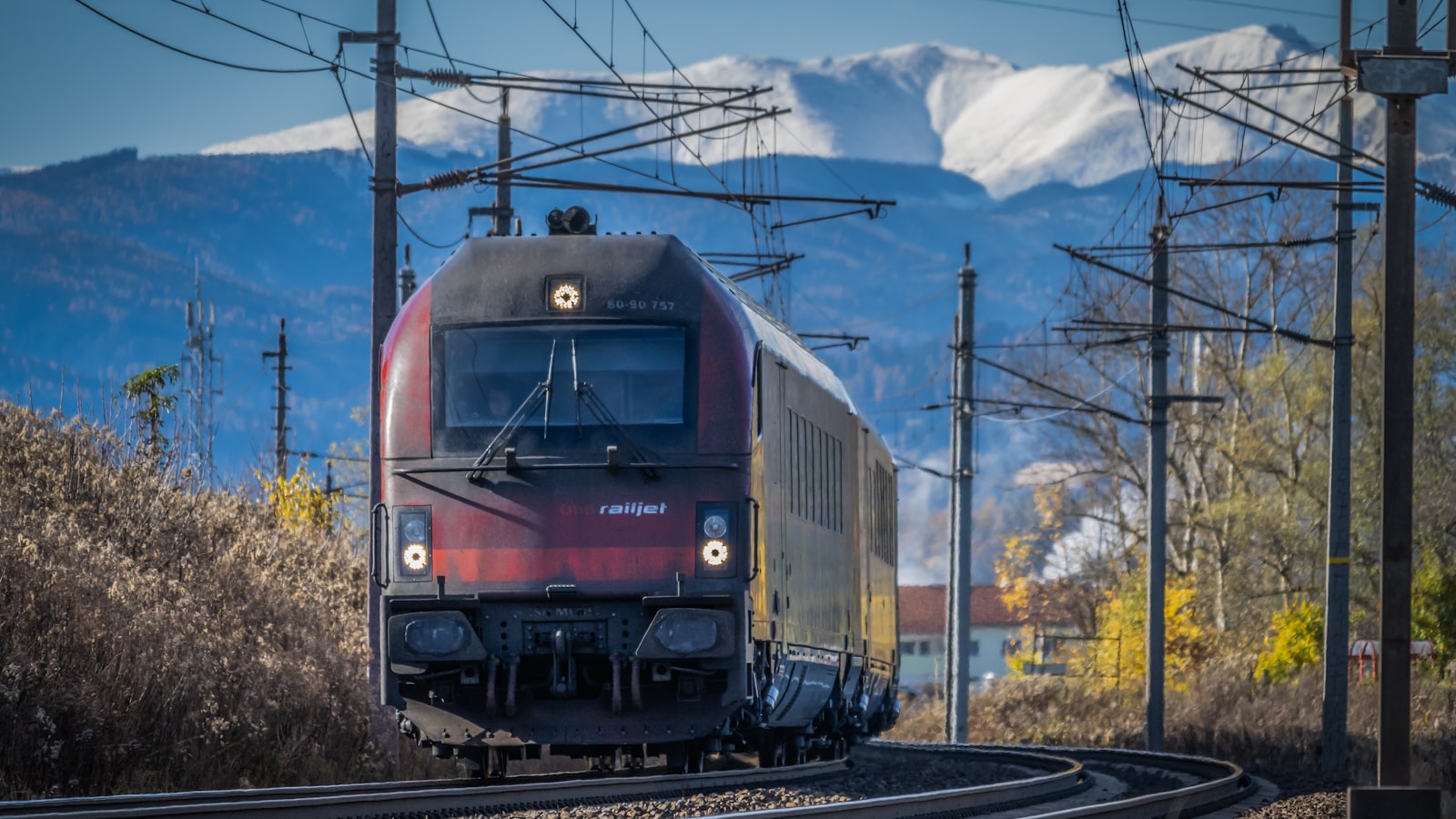
ÖBB operates the passenger services with its flagship Railjet fleet, the same trains you will find on routes such as Vienna–Munich and Vienna–Zürich. You can read more about the operator and its network on its ÖBB carrier profile before you book.
What's still to come: the Semmering Base Tunnel
The Koralmbahn is one half of a two-part transformation of Austria's southern rail spine. The other is the Semmering Base Tunnel, a 27 km tunnel under the historic Semmering pass between Vienna and the south, still under construction. Once it opens, the two tunnels together will let ÖBB run Vienna to Klagenfurt in roughly 2h40, against nearly four hours before the Koralmbahn.
Even today, the Koralmbahn already trims the Vienna–Klagenfurt time to about 3h10, and — crucially — it lets ÖBB serve both Graz and Klagenfurt with the same Railjet services instead of splitting them onto separate trains. That means more frequencies and simpler connections for travellers across the whole region. For longer Alpine crossings, it also dovetails with new fast links like the Munich–Rome high-speed train.
How to book and find the best fare
ÖBB tickets for the Koralmbahn follow the usual Austrian model: the earlier you book, the cheaper the Sparschiene advance fares, while walk-up tickets cost more but stay flexible. With 29 daily connections, there is plenty of choice, so mid-day and off-peak departures tend to carry the lowest prices.
As always, the train is not automatically the cheapest or fastest door-to-door option for every trip — for some city pairs a bus or a shared car can still win. The simplest way to be sure is to put them side by side: a quick search on Gopaxo compares trains, buses, carpooling and flights for your exact date and route, so you always see the real lowest fare before you commit.
In short
- The Koralmbahn opened on 14 December 2025 as Austria's largest rail project, 27 years in the making.
- It links Graz and Klagenfurt in about 45 minutes, down from three hours, via the 33 km Koralm Tunnel — the world's sixth-longest rail tunnel.
- It is a 127 km, electrified, double-track line built for 250 km/h, with up to 29 ÖBB connections a day each way.
- The line is part of the EU's Baltic–Adriatic Corridor from Gdańsk to the Adriatic and is served by ÖBB Railjet trains.
- The forthcoming Semmering Base Tunnel will eventually cut Vienna–Klagenfurt to roughly 2h40.
Frequently asked questions
How long does the Graz to Klagenfurt train take now?
With the Koralmbahn, the fastest ÖBB Railjet services run between Graz and Klagenfurt in about 41 to 45 minutes, compared with roughly three hours on the old route around the mountains.
When did the Koralmbahn open?
The full line opened with the timetable change on 14 December 2025, after official celebrations in Graz and Klagenfurt on 12–13 December. The Carinthian section had already been carrying local trains since December 2023.
How long is the Koralm Tunnel?
The Koralm Tunnel is 33 km long, making it the sixth-longest railway tunnel in the world. It runs beneath the Koralpe mountains between Styria and Carinthia as two single-track tubes.
Which trains run on the Koralmbahn?
Passenger services are operated by ÖBB, mainly with its Railjet high-speed fleet, alongside regional trains. The line is engineered for speeds of up to 250 km/h and also carries freight.
Will it speed up trains from Vienna too?
Yes. The Koralmbahn already trims Vienna–Klagenfurt to about 3h10. Once the Semmering Base Tunnel opens, the combined upgrades should bring it down to roughly 2h40.
Planning a trip across Austria or the Alps? Compare your dates now and find the cheapest train, bus or car-share before you book.