Short answer: Italo, the Italian high-speed operator owned by the MSC Group, has asked Germany's rail regulator for the long-term track access it needs to launch a €3.6 billion German high-speed service in 2028. It wants hourly trains on the Munich–Frankfurt–Cologne–Dortmund corridor and two-hourly trains between Munich, Berlin and Hamburg — a direct challenge to Deutsche Bahn that could reshape fares for millions of travellers.
The plan, confirmed in early June 2026, would make Italo the most ambitious open-access challenger Germany has ever seen. For now it is a request, not a timetable: the operator has gone to the federal network regulator, the Bundesnetzagentur, to secure the conditions it says it needs before committing the money. But if it succeeds, Germany's busiest rail corridors could look very different by the end of the decade.
What the Italo Germany high-speed plan involves
Italo has requested two things from the Bundesnetzagentur: long-term route allocation contracts and a minimum capacity reservation for new entrants on Germany's congested network. Both matter because of how Germany allocates track. Since 2017 the country has banned long-term framework contracts, handing out train paths year by year during timetable planning instead. That keeps the system flexible, but it gives an operator no guarantee that the slots it runs this year will still be available next year.
Italo argues that no company can responsibly commit €3.6 billion — much of it earmarked for a fleet of Siemens Velaro high-speed trainsets — without multi-year certainty over the paths it will be allowed to run. In other words, the regulatory fight is not a side issue: it is the gate the whole project has to pass through.
Italo is not a newcomer to high-speed competition. In its home market it has spent more than a decade running open-access services against state-owned Trenitalia, and you can read more about the company on its Italo carrier page. Bringing that playbook to Germany is the natural next step in a wider European push to open national rail markets to competition.
Which routes Italo wants to run
The proposed map targets the spine of German long-distance travel, in both directions:
- Munich–Frankfurt–Cologne–Dortmund — hourly services along the country's busiest west-east axis, linking Bavaria with the Rhine-Ruhr region.
- Munich–Berlin–Hamburg — two-hourly trains connecting the south with the capital and the northern port city.
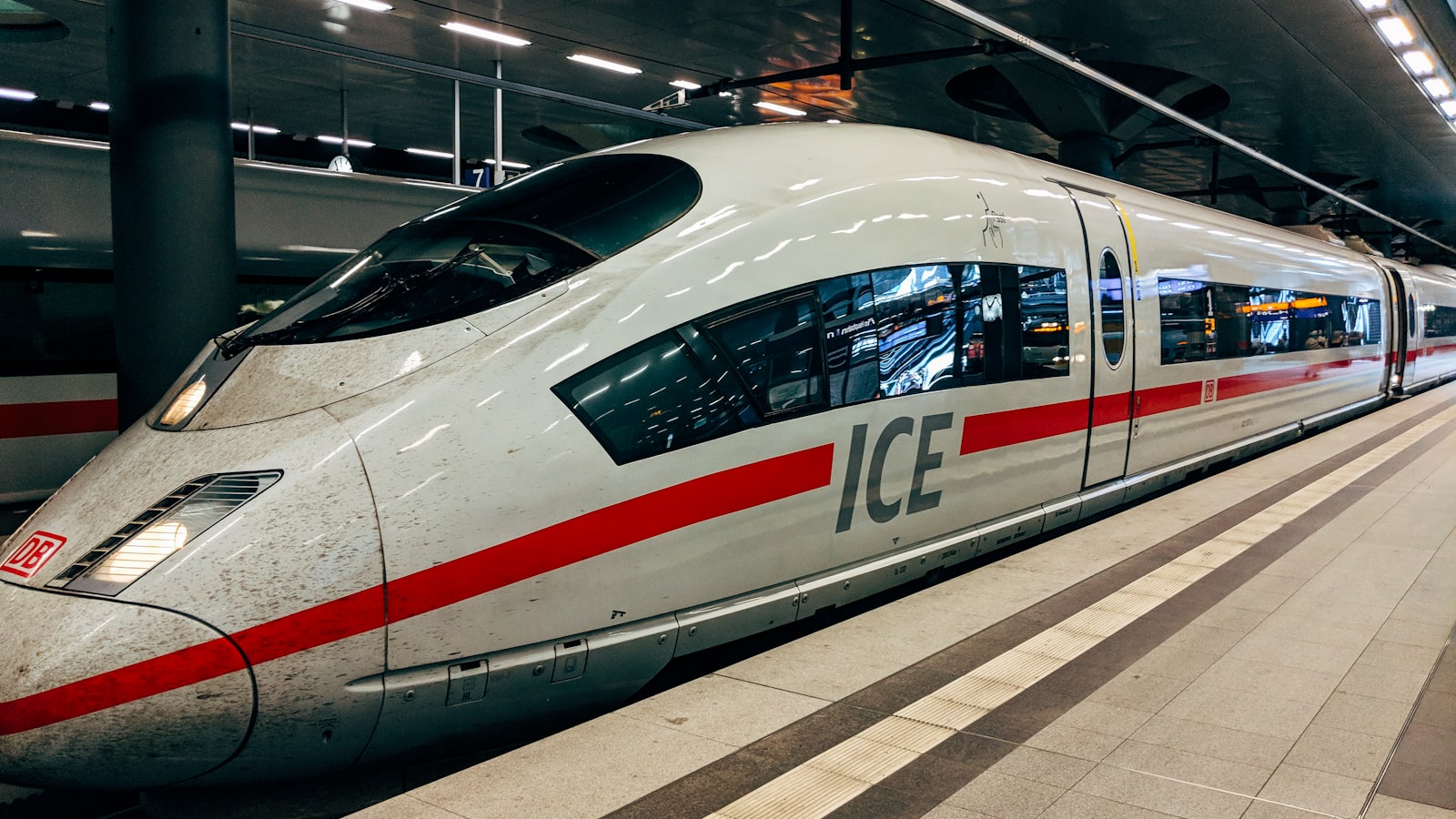
These are exactly the corridors where Deutsche Bahn's ICE trains earn the most, and where demand is strong enough to support a second high-speed brand. They also connect to the kind of cross-border journeys that are growing fastest in Europe — the same trend behind new direct services such as the Munich–Rome high-speed train.
Why Deutsche Bahn is pushing back
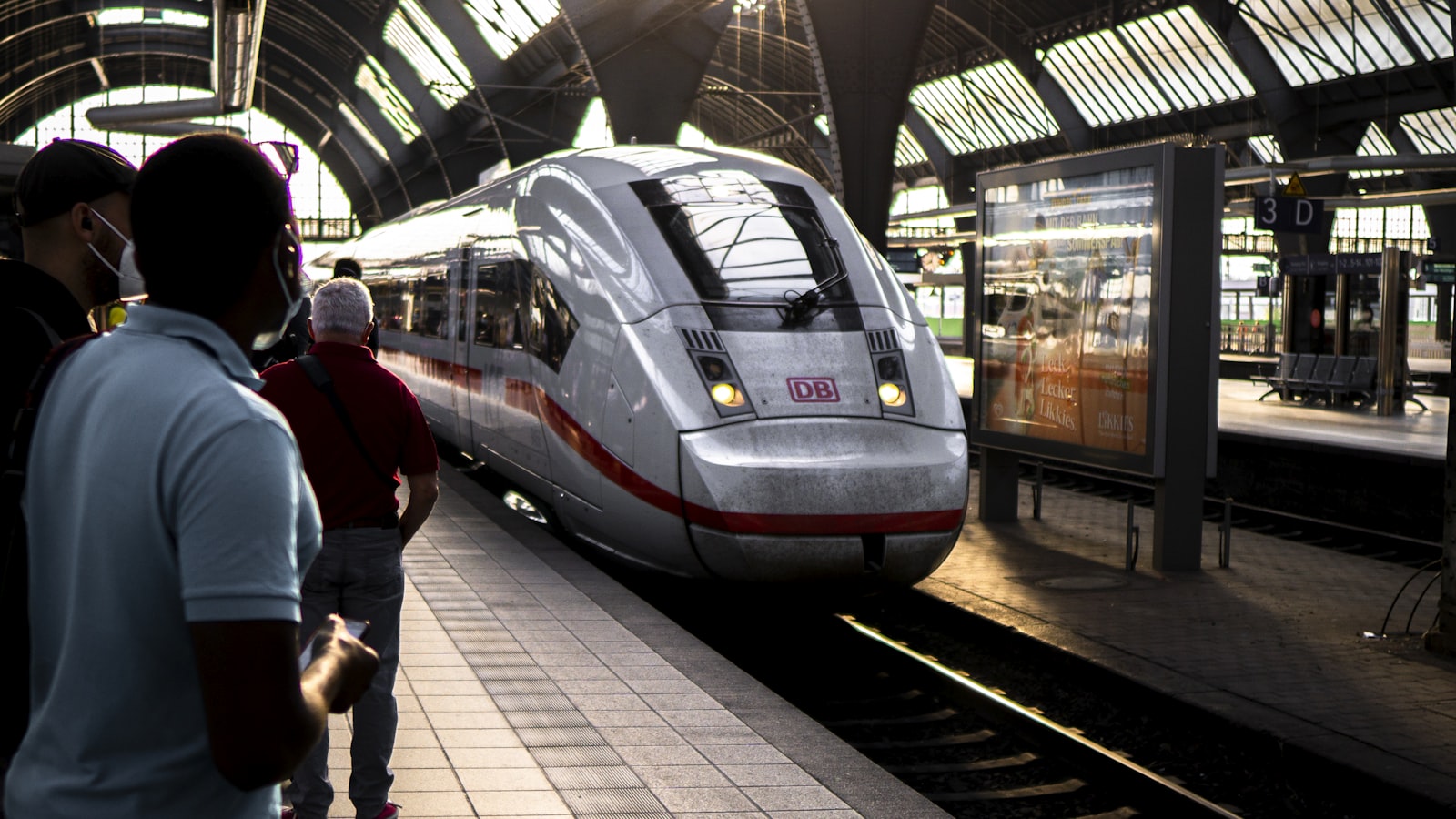
Deutsche Bahn's chief executive, Evelyn Palla, has publicly called for a clearer regulatory framework before Italo arrives, warning against "uncontrolled" competition on corridors that are already heavily congested by rehabilitation works. The infrastructure manager, DB InfraGO, opposes any special rules or guaranteed capacity quotas for new entrants, arguing they would distort an already bottlenecked network.
There is a financial nerve being touched here too. Deutsche Bahn runs a cross-subsidisation model: profits from its busiest high-speed lines help prop up loss-making regional routes. A well-funded rival creaming off the most lucrative corridors threatens that balance — which is why the dispute is about far more than train paths.
The backdrop does not help. Germany's infrastructure fund met only about 54% of its overall spending targets in 2025, with transport investment lagging at roughly 52%, according to figures reported by Handelsblatt. Critics worry that adding intensive competition before the network is expanded could worsen Germany's well-documented punctuality problems.
What it could mean for fares
Here is the part travellers care about most. When open-access competition arrived in Italy, the effect on passengers was dramatic: rivalry between Italo and Trenitalia helped double passenger volumes on the Rome–Milan corridor within a decade, with more frequencies and sharper pricing. Spain has seen a similar pattern as new operators piled onto its high-speed lines — a story we cover in our guide to cheap high-speed trains in Spain.
If Germany follows the same path, the Munich–Berlin and Frankfurt–Cologne axes could become noticeably cheaper and busier by the early 2030s. None of that is guaranteed, and 2028 is still some way off — but the direction of travel across Europe is clear, helped by the European Commission's plan for "one journey, one ticket" rules by 2029 to make multi-operator bookings simpler.
Until then, the smartest move is to keep comparing. Whether you are crossing Germany or hopping between European capitals, you can compare trains, buses, carpooling and flights on Gopaxo to find the cheapest option on your route today, whoever runs the service.
Frequently asked questions
What is Italo planning in Germany?
Italo wants to launch high-speed rail services in Germany from 2028, backed by a €3.6 billion investment. It has asked the Bundesnetzagentur for long-term track access and a minimum capacity reservation so it can commit the funds, which include buying Siemens Velaro trains.
Which German routes would Italo serve?
Italo has proposed hourly trains on the Munich–Frankfurt–Cologne–Dortmund corridor and two-hourly trains between Munich, Berlin and Hamburg — the busiest long-distance axes in the country.
Why does Deutsche Bahn oppose the plan?
Deutsche Bahn wants clearer rules first and warns against uncontrolled competition on congested corridors. It also relies on profits from its best high-speed lines to subsidise loss-making regional routes, which a rival on those corridors would threaten.
Will Italo make German train tickets cheaper?
Possibly. In Italy, open-access competition between Italo and Trenitalia helped double Rome–Milan passenger numbers and pushed prices down. A similar effect in Germany is plausible, but it depends on regulators approving the plan and on network capacity being available.
In short
- Italo has requested the track access it needs to launch German high-speed services in 2028, with a €3.6 billion investment.
- It wants hourly Munich–Frankfurt–Cologne–Dortmund trains and two-hourly Munich–Berlin–Hamburg trains.
- The project hinges on the Bundesnetzagentur granting long-term contracts and reserved capacity for new entrants.
- Deutsche Bahn opposes special rules, citing congestion and its cross-subsidisation model.
- If approved, it could lower fares and add frequencies, echoing Italy's Rome–Milan competition.
A second high-speed brand on Germany's busiest lines is still years away, but the fight over it starts now. Whatever happens by 2028, the cheapest way to travel is always to compare every operator — start your search on Gopaxo.