Short answer: from 2026, a new direct Zurich–Florence train runs as a cross-border EuroCity operated jointly by Switzerland's SBB and Italy's Trenitalia. It links Zurich to Florence via Lugano, Milan, Parma, Modena and Bologna with no change of train, and a sister service extends to Livorno on the Tuscan coast.
Until now, reaching Florence from Zurich by rail meant changing trains in Milan and stitching together two tickets. That changes with the 2026 timetable: SBB and Trenitalia are putting Tuscany within a single, comfortable train ride of German-speaking Switzerland for the first time, deepening one of Europe's busiest cross-Alpine rail partnerships.
A new direct Zurich–Florence train
The headline is a direct Zurich–Florence train that no longer forces a connection in Milan. The route follows the well-travelled Gotthard corridor south through Zug and Lugano, crosses into Italy at Milano Centrale, then continues through the Emilian cities of Parma, Modena and Bologna before arriving in Florence. A second daily service runs beyond Florence to Livorno, opening up the Tuscan coast and ferry links to the islands.
Italy and Switzerland already share one of the most popular international rail markets in Europe, and demand keeps climbing. Adding Florence — a city that draws millions of visitors a year to the Uffizi, the Duomo and the Ponte Vecchio — to the single-seat network is a natural next step.
Who runs it: SBB and Trenitalia
The service is the product of a renewed cooperation between SBB and Trenitalia, formalised at Milano Centrale in November 2024 by Trenitalia chief executive Luigi Corradi and Véronique Stephan, head of SBB's passenger market division. The agreement adds the Zurich–Florence and Zurich–Livorno links, plus extra capacity toward Milan and Venice.
To carry the extra passengers, SBB ordered four additional Giruno trains in early 2024 to supplement its existing fleet, while Trenitalia is rolling out refurbished ETR 610 sets under a refreshed EuroCity brand. The aim is a consistent cross-border product rather than two national railways meeting awkwardly at the frontier.
What the new EuroCity trains offer
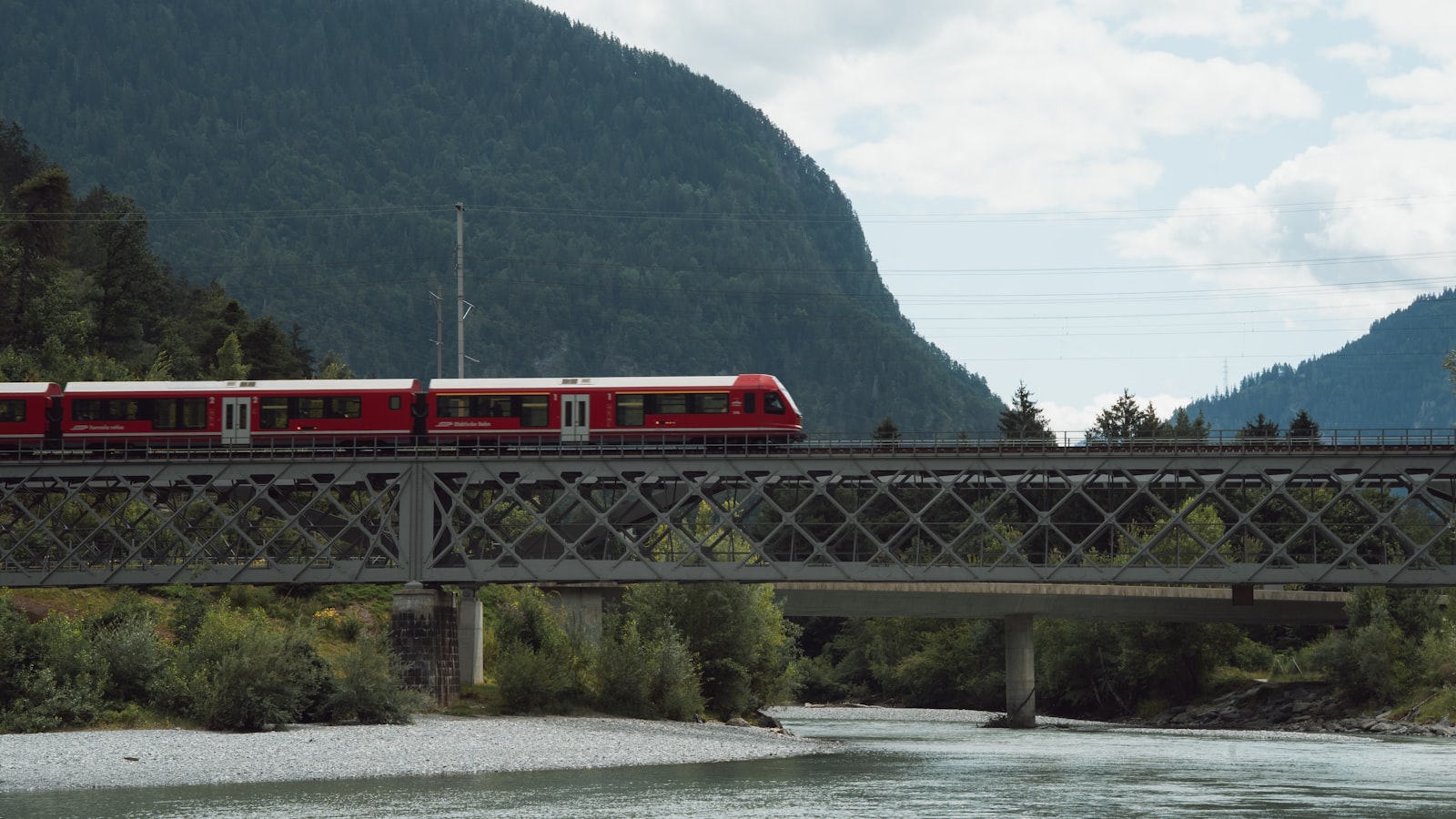
The modernised EuroCity fleet is the visible half of the upgrade. The refurbished ETR 610 trainsets carry a new interior design using recycled materials, Wi-Fi, power sockets and spaces for e-bikes, with modernised dining cars serving the same menu across the whole cross-border route. SBB and Trenitalia have pitched the redesign around comfort and sustainability — a deliberate contrast with the cramped reality of a short-haul flight plus two airport transfers.
That matters on a corridor like this one. A traveller heading from Zurich to Florence by air spends as much time getting to and from airports as in the cabin; a city-centre-to-city-centre train removes that friction entirely.
Routes, stops and journey times
The Zurich–Florence EuroCity is planned to call at Zug, Lugano, Milano Centrale, Parma, Modena and Bologna before terminating in Florence, with the Livorno variant continuing south-west through Tuscany. Every northbound and southbound run crosses the Alps on the Gotthard axis, one of the most scenic stretches of railway on the continent.
Official end-to-end journey times for the new Florence service have not yet been published. As a reference point, today's EuroCity trains already link Zurich to Milan in roughly 3 hours 20 minutes, and Italy's high-speed network connects Milan to Florence in under two hours. That makes a single-train Zurich–Florence trip of around five to six hours a realistic prospect — an estimate based on those existing timings, not an official figure.
Why it matters for travellers
For anyone planning a trip across the Alps, a direct train reshapes the choice. No airport transfers, no separate tickets and no anxious connection in Milan with a heavy bag: you board in one city centre and step off in another. It is also a flexible building block for longer itineraries — ride as far as Lugano for a lakeside stop, break in Bologna for its food, then carry on to Florence another day.
The new link also fits a wider European pattern of replacing short-haul flights with comfortable daytime rail. It sits alongside other 2026 cross-border launches, such as the planned direct Munich–Rome high-speed train, as Europe's rail map keeps filling in the gaps between major cities.
How to get the best fare
Cross-border EuroCity tickets are usually cheapest when booked early and at off-peak times. Indicative supersaver fares on the existing Switzerland–Italy EuroCity routes start from around €29 one way when snapped up in advance, and a few habits help you land them:
- Book as soon as the timetable opens. The cheapest fare buckets sell first, so early booking on a fixed date is where the savings are.
- Travel mid-week and off-peak. Tuesday-to-Thursday departures, away from Friday and Sunday peaks, tend to be cheaper.
- Compare the whole journey, not just the train. Against a flight, factor in airport transfers, baggage fees and the time lost at each end.
- Check connecting cities. Lugano, Milan or Bologna may be cheaper entry points than Florence for part of the year.
Gopaxo compares trains, buses, carpooling and flights side by side, so you can see how the new EuroCity stacks up against every other way of crossing the Alps. Start by comparing routes on Gopaxo, look up the operator on the Trenitalia carrier page, or browse more ways to travel cheaper by train.
Quick recap
- A direct Zurich–Florence train launches as an SBB–Trenitalia EuroCity with the 2026 timetable, plus a Zurich–Livorno service.
- It runs via Zug, Lugano, Milan, Parma, Modena and Bologna with no change of train.
- New and refurbished ETR 610 EuroCity trains add Wi-Fi, recycled-material interiors and e-bike spaces; SBB ordered four more Giruno trains.
- Official journey times aren't confirmed yet; today's Zurich–Milan EuroCity takes about 3h20, and Milan–Florence under two hours.
- Indicative Switzerland–Italy EuroCity fares start from around €29 one way when booked early.
Frequently asked questions
When does the direct Zurich–Florence train start?
The new Zurich–Florence and Zurich–Livorno EuroCity services are introduced with the 2026 timetable, under the renewed SBB–Trenitalia cooperation signed in November 2024.
Which cities does the Zurich–Florence train stop at?
It is planned to call at Zug, Lugano, Milano Centrale, Parma, Modena and Bologna before reaching Florence, with a separate service continuing to Livorno.
How long does the Zurich to Florence train take?
Official end-to-end times have not been published. For reference, today's EuroCity links Zurich to Milan in about 3h20, and high-speed trains cover Milan to Florence in under two hours.
Who operates the new service?
It is a joint EuroCity run by Switzerland's SBB and Italy's Trenitalia, using new Giruno and refurbished ETR 610 trainsets.
How much will tickets cost?
Fares were not fixed at announcement, but existing Switzerland–Italy EuroCity supersaver tickets start from around €29 one way when booked early.
Planning to cross the Alps by rail? Compare the Switzerland–Italy route on Gopaxo and see how the new EuroCity compares with buses, flights and night trains in a single search.