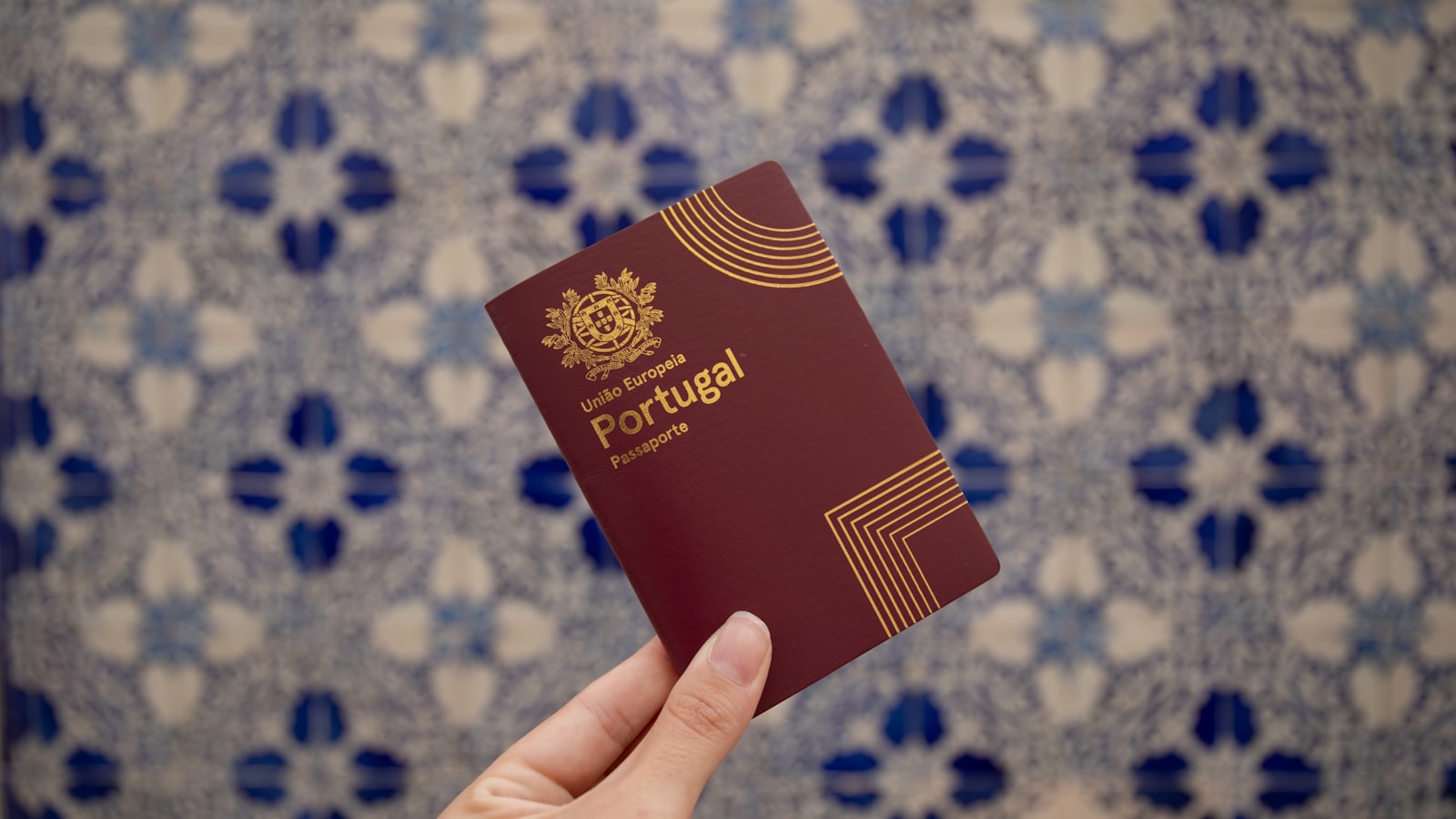
Short answer: ETIAS (the European Travel Information and Authorisation System) is the EU's new online travel authorisation for visa-exempt visitors. It is set to launch in the last quarter of 2026, and the European Commission has confirmed the fee will rise from the original €7 to €20. It is not a visa: you apply online before you travel, it covers 30 European countries, and once approved it is valid for three years or until your passport expires. Travellers under 18 and over 70 are exempt from the fee. EU and EEA citizens do not need it.
If you are planning a trip to Europe in 2026 or 2027 — whether you arrive by plane, by Eurostar or on a long-distance bus — there is a new step for your checklist. The ETIAS travel authorisation is the last major piece of the EU's reformed border system, and after years of delays it is now expected to go live in Q4 2026. Here is what it is, who needs it, and what changed about the price.
What is ETIAS, and how is it different from a visa?
ETIAS stands for the European Travel Information and Authorisation System. It is a pre-travel screening linked to your passport, designed for people who can already visit Europe without a visa — citizens of around 60 countries including the United States, the United Kingdom, Canada, Australia, Japan and Brazil. Instead of applying at an embassy, you complete a short online form, pay a fee, and receive an electronic authorisation tied to your passport.
The distinction matters. A Schengen visa is issued after a formal review, often with an in-person appointment. ETIAS is closer to the United States' ESTA or the UK's ETA: a quick online check that is usually approved automatically. It does not guarantee entry — a border officer still has the final say — but without it, carriers will not let visa-exempt travellers board for Europe once the system is mandatory.
ETIAS is also the companion to the Entry/Exit System (EES), the biometric border system that replaced passport stamping and became fully operational across Schengen external borders on 10 April 2026. We covered how those checks affect rail and ferry passengers in our guide to the EU's Entry/Exit System for travellers. EES records who crosses and when; ETIAS screens travellers before they arrive.
ETIAS fee: why €7 became €20
The headline change for 2026 is the price. When ETIAS was first designed, the fee was set at €7. In July 2025 the European Commission proposed raising it to €20, and that figure is the one travellers should plan around. The Commission says the higher fee reflects the system's full functionality, inflation, and an alignment with comparable schemes abroad — the US ESTA costs around $21, and the UK ETA is £16.
The travel industry has pushed back hard: Airlines for Europe (A4E) and the tour-operators' association ECTAA called the near-tripling "disproportionate" and "unjustified". For an individual traveller, though, the practical takeaway is simple: budget €20 per adult application, not €7.
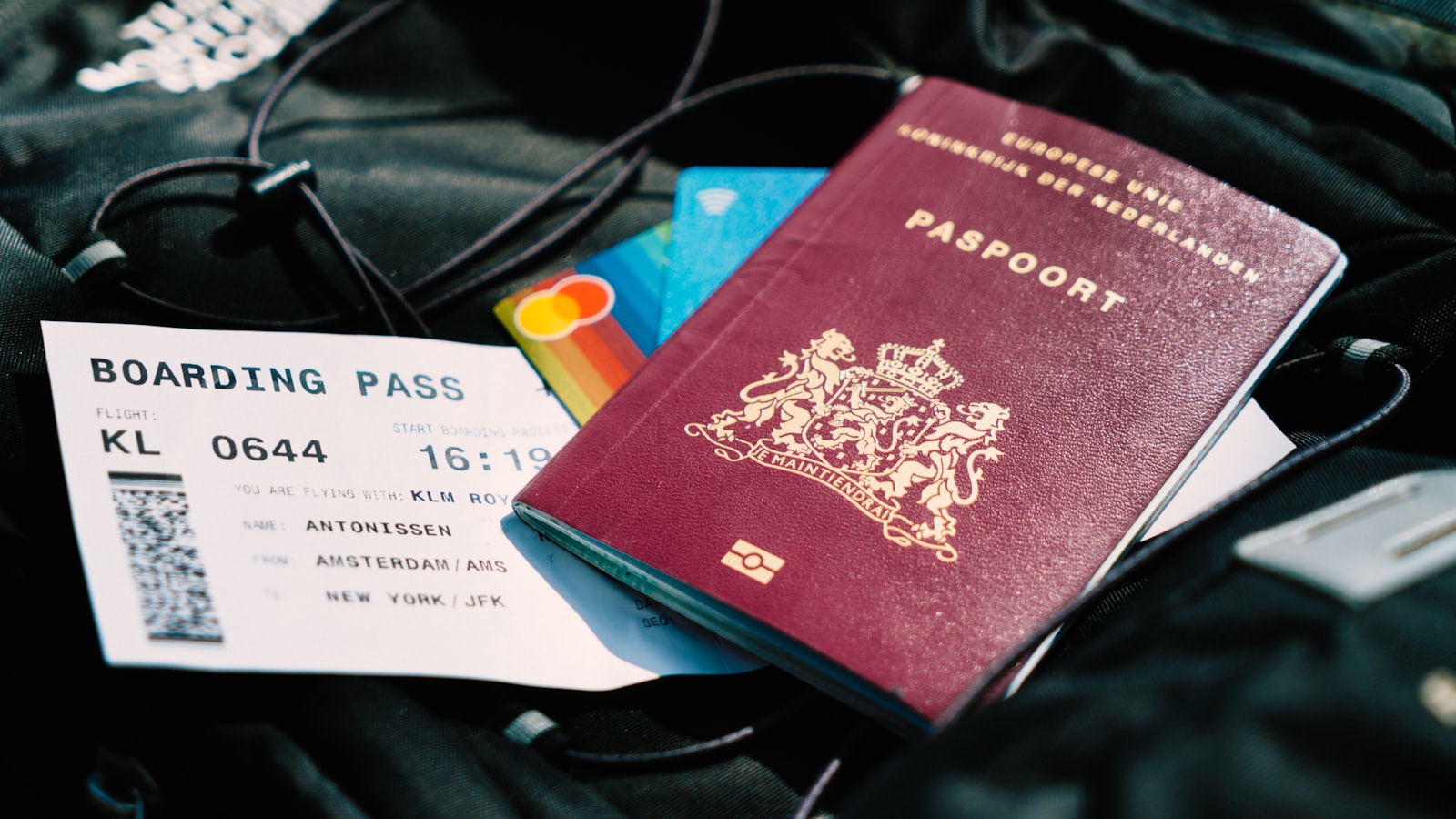
Who needs an ETIAS — and who doesn't
You will need an ETIAS if you hold a passport from a visa-exempt non-EU country and you are travelling to Europe for a short stay (up to 90 days in any 180-day period) for tourism, business, transit or a family visit. That includes, notably, British citizens travelling to the continent after Brexit, as well as visitors from the US, Canada, Australia and dozens of other countries.
You will not need one if you are a citizen of an EU or EEA country or of Switzerland — your free-movement rights are unchanged. There are also clear fee exemptions: applicants under 18 and over 70 pay nothing, as do certain family members of EU citizens — though they must still hold a valid authorisation.
A key point for trip planning: ETIAS is tied to the 30 European countries in scope (the Schengen-area states plus Cyprus). One authorisation covers all of them, so a multi-country rail trip from, say, Lisbon to Vienna needs one ETIAS, not several.
When ETIAS starts and how to apply
ETIAS is expected to become available in the final quarter of 2026, with a transitional period afterwards during which it is not yet strictly enforced. Applying is straightforward:
- Complete the online application (official ETIAS website or app) with your passport details, contact information and a few background questions.
- Pay the €20 fee by card (free for under-18s and over-70s).
- Wait for approval. Most decisions arrive within minutes, but some applications are flagged for extra checks that can take up to 30 days, so apply well before you book non-refundable travel.
Once granted, your ETIAS is valid for three years, or until your passport expires, and can be used for multiple trips. Beware of unofficial look-alike sites that charge inflated "service" fees — the only place to apply is the official EU channel.
What ETIAS means for your European trip
For most travellers, ETIAS is a minor administrative step, not a barrier — a €20 form filled in once every few years. Because the authorisation covers all 30 countries at once, it actually rewards the kind of multi-modal, multi-country itineraries Europe does so well: a flight in, a high-speed train across a border, a budget bus for the last leg.
That is exactly the comparison you can run when you search and compare your route on Gopaxo, where trains, buses, carpooling and flights line up side by side. If your trip starts in the UK, the Eurostar route is a good example: you can weigh it against flying, knowing the same single ETIAS covers you either way. The fee is a fixed cost; the real savings come from choosing the right mix of transport once you are inside Europe.
In short
- ETIAS is the EU's new online travel authorisation for visa-exempt visitors, launching in the last quarter of 2026.
- The fee is rising from €7 to €20 per adult application, as confirmed by the European Commission.
- It is free for applicants under 18 and over 70, and for certain family members of EU citizens.
- It is not a visa — you apply online before travelling; a border officer still decides on entry.
- One authorisation covers 30 European countries and is valid for three years, or until your passport expires.
- EU/EEA and Swiss citizens do not need it; UK citizens and most other non-EU visitors do.
- Apply only through the official EU site, and allow time — most approvals are instant, but checks can take up to 30 days.
Frequently asked questions
How much does ETIAS cost in 2026?
The European Commission has confirmed the fee will be €20 per application, up from the originally planned €7. The charge is waived for travellers under 18 and over 70 and for certain family members of EU citizens.
When does ETIAS launch?
ETIAS is expected to go live in the last quarter of 2026, followed by a transitional period before it becomes strictly mandatory. The exact start date is set by the EU as the Entry/Exit System rollout completes.
Do UK citizens need an ETIAS?
Yes. Since the UK left the EU, British citizens are visa-exempt visitors and will need an ETIAS travel authorisation for short stays in the 30 European countries in scope, just like US, Canadian and Australian travellers.
Is ETIAS a visa?
No. ETIAS is an online travel authorisation, not a visa: there is no embassy appointment, and most applications are approved automatically. It does not by itself guarantee entry at the border.
How long is an ETIAS valid?
An approved ETIAS is valid for three years, or until your passport expires if that is sooner. During that time you can use it for multiple trips to Europe, each up to 90 days within any 180-day period.
Does ETIAS replace the Entry/Exit System (EES)?
No — they work together. EES registers your biometric entries and exits at the border, while ETIAS is the authorisation you obtain before you travel. You can read how EES changed border crossings in our guide to the EU Entry/Exit System.
Planning a European trip across several countries? Sort out your ETIAS early, then compare trains, buses and flights on Gopaxo to build the cheapest route once you are on the continent.