Short answer: the France–Belgium–Luxembourg border is the cheapest in Europe to cross — but almost never with the ticket search engines offer you. Four crossings cover most needs: the Lille–Tournai TER and the Lille–Mouscron TER (under €10, 25 to 35 minutes), the Metz/Thionville–Luxembourg TER (free within Luxembourg, around €10–12 from Metz), the Charleville-Mézières–Namur/Dinant TER on the Ardennes side, and for long distances the Paris–Brussels Eurostar (1 hr 22, €29–150) complemented by the Luxembourg–Paris TGV (about 2 hr 10). FlixBus coaches and BlaBlaCar (ridesharing) fill in wherever rail is missing, notably Lille–Ghent, Metz–Brussels and Luxembourg–Liège. Golden rule: split your ticket at the border station — Lille → Tournai then Tournai → Brussels often costs half the price of a direct Lille → Brussels.
Some borders you cross wondering whether you've thought of everything. Not this one. Between Dunkirk and Longwy, France touches Belgium and Luxembourg along nearly 750 kilometres, with one of the densest rail networks on the continent and more than 120,000 cross-border workers crossing the line every day, according to Luxembourg's STATEC. The result: frequent trains, regional fares and, on the Grand Duchy side, one of the world's few free networks.
And yet many travellers pay top price. Because SNCF Connect doesn't always "see" SNCB trains, because Luxembourg's free fare stops exactly at the border, or because a Lille–Brussels sold at €59 on high-speed rail costs €15 on two regional trains. This guide sets out what is actually bookable in 2026, crossing by crossing.
1. Why this is Europe's easiest border
Three technical reasons, each in a single line.
Same gauge, same platforms. All three networks run on standard gauge (1,435 mm). No physical break of gauge, unlike the Spanish border, where crossing the Pyrenees by public transport remains a matter of Iberian gauge and connections on foot.
Schengen with no systematic checks. France, Belgium and Luxembourg are founding members of the Schengen Area. No passport to show at the station, no queue — apart from random mobile police checks, which have been increasing since 2024 on the Lille–Brussels and Thionville–Luxembourg routes. Keep an ID document within reach, that's all. The new EES and ETIAS formalities only concern non-EU nationals: see our rundown on EES checks and rail travellers.
Long-standing regional agreements. The Hauts-de-France region and SNCB have co-funded cross-border TER services since the 1990s; Grand Est and Luxembourg have signed several funding protocols to double capacity on the Thionville–Luxembourg corridor. These agreements deliver exactly what is missing elsewhere: local fares, not international ones.
So the obstacle isn't the infrastructure. It's the ticketing.
2. North: Lille, the €5 hub
Lille is probably the best station in France for entering Belgium without breaking the bank. Three routes leave from Lille-Flandres (not Lille-Europe, the high-speed station, 400 metres away on foot).
| Route | Operator | Duration | Indicative price |
|---|---|---|---|
| Lille-Flandres → Tournai | TER / SNCB | ~30 min | €5–9 |
| Lille-Flandres → Mouscron | TER | ~25 min | €4–7 |
| Lille-Flandres → Kortrijk (via Mouscron) | TER + SNCB | ~55 min | €8–13 |
| Lille-Europe → Brussels-Midi | Eurostar | 35 min | €29–75 |
| Lille → Ghent / Antwerp | FlixBus | 1 hr 30–2 hr 30 | €6–20 |
The smart move: Tournai. From Tournai you're inside the Belgian domestic network, where the per-kilometre cost is among the lowest in Western Europe. A Tournai → Brussels-Midi IC train costs about €13 at full fare, in one hour. Total Lille → Brussels: around €20, versus €40 to €75 for a late-booked Eurostar. You lose an hour and often save €40.
At weekends, Belgium becomes absurdly cheap. SNCB applies weekend discounts on domestic return trips and offers the Standard Multi (10 domestic journeys, around €89 in 2026, i.e. under €9 per journey whatever the distance). A Tournai–Ostend trip in that booklet costs the same as a Tournai–Mouscron. For a weekend in Bruges or Ghent, it's the ultimate weapon.
Beware "phantom border stations". On the Dunkirk side, the link to De Panne and the Belgian coast no longer exists directly: you have to go via Adinkerke, reachable from Dunkirk by DK'BUS coach then the coastal tramway (the Kusttram, about €2.50 per trip, 68 km of coastline). It's slow, but it's one of the finest tram rides in Europe.
3. Luxembourg: the only country where the train is free
Since 1 March 2020, public transport has been free throughout Luxembourg — CFL trains (2nd class), the Luxembourg City tram, RGTR buses. No ticket, no validation, no inspection. Luxembourg is the first country in the world to do this nationwide.
The catch that costs money: free travel stops at the border. A Thionville → Luxembourg trip crosses 15 km of paid French territory, then 30 km of free Luxembourg. SNCF and CFL therefore sell a ticket covering only the French portion, around €5–7 from Thionville and €10–12 from Metz at full fare.
The three useful routes:
- Metz / Thionville → Luxembourg: combined TER and CFL services, 1 to 3 trains per hour at peak times, about 50 minutes from Metz, 25 from Thionville. Europe's busiest cross-border commuter corridor — avoid 7–8.30 am and 5–6.30 pm if you're travelling with luggage.
- Longwy → Luxembourg: cross-border coach links (RGTR lines 300 and 301) and train via Rodange. Around 20 to 40 minutes depending on your entry point.
- Luxembourg → Trier (Germany): CFL/DB train, about 50 minutes, roughly €9–11 for the German portion. A discreet gateway to the German Moselle, to combine with our guide to the France–Germany border.
The commuters' "Flex" pass. If you make the trip regularly, combined SNCF/CFL season tickets (Grand Est–Luxembourg cross-border pricing) bring the monthly cost down to around €30–50 depending on your origin — far less than buying single tickets. Check with the Grand Est region, which subsidises part of the pass.
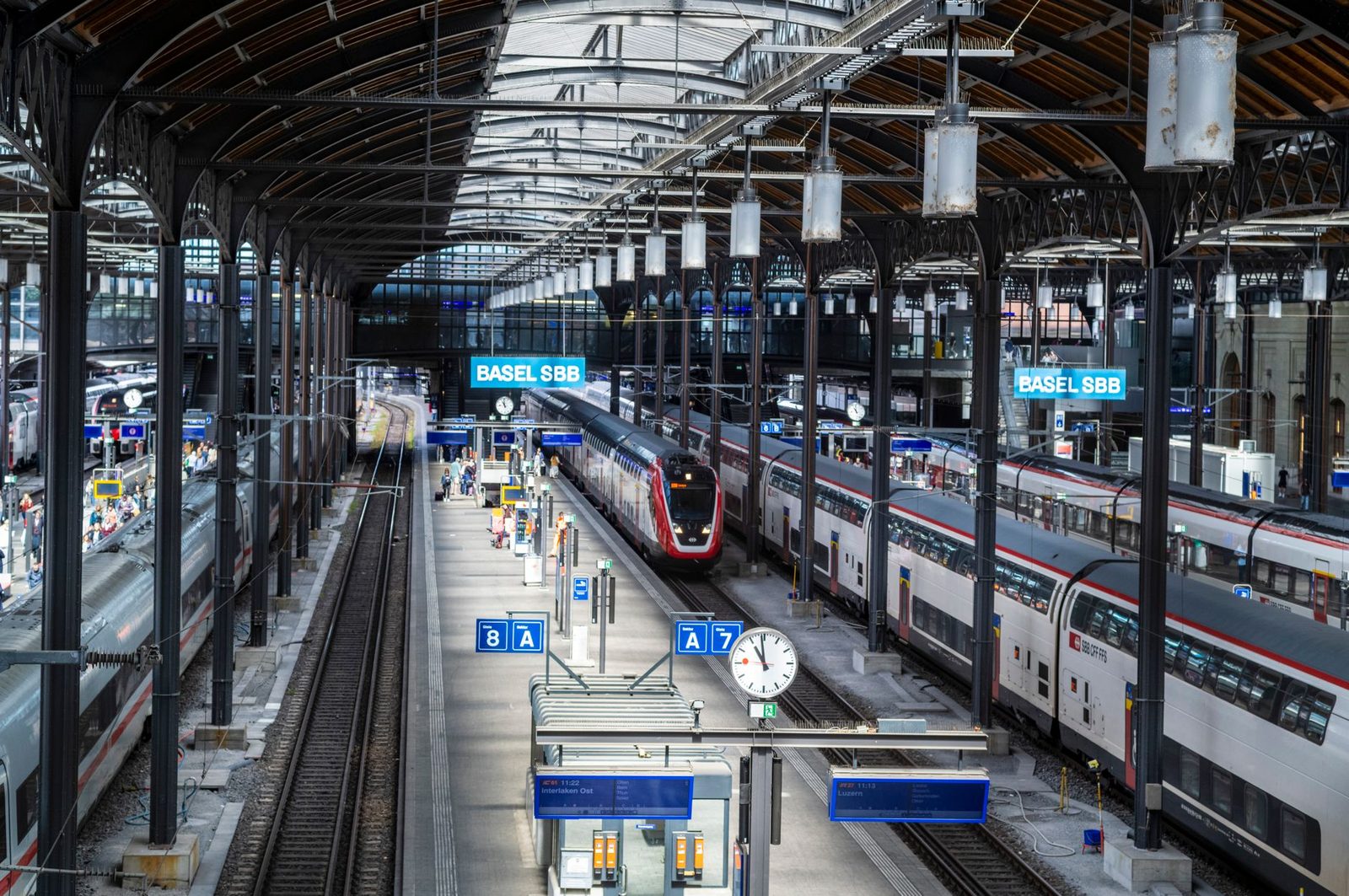
One practical detail on this route: trains are packed and the Luxembourg platform is swept by the wind. A 30-litre travel backpack fits anywhere in the corridors of double-deck trainsets, where a hard-shell suitcase blocks the aisle and earns you a few looks.
4. Ardennes and Champagne: the forgotten crossing
Between Lille and Metz lie 300 kilometres of border where almost nobody takes the international train — wrongly so.
Charleville-Mézières → Dinant / Namur. The TER/SNCB link runs via Givet and Dinant. Allow about 1 hr 20 to Dinant, then 30 minutes to Namur. Service is limited (a few return trips a day, often reinforced at weekends), and the Givet–Dinant section was long operated by replacement coach. Always check the actual mode before you leave: it's the line most prone to engineering works and replacement buses in the whole area.
Jeumont → Charleroi. A TER reaches Jeumont from Aulnoye-Aymeries; on the other side, Erquelinnes opens onto the Belgian network towards Charleroi-Central (about 45 minutes). Total Maubeuge → Charleroi: roughly 1 hr 30 with one change, for under €15.
What about coaches? On this route, FlixBus and BlaBlaCar (ridesharing) are often faster than rail. A Reims → Brussels coach takes around 3 hr 30 for €10–25, a Metz → Brussels about 4 hr 30. Ridesharing is particularly dense on Luxembourg–Brussels and Lille–Brussels: that's the logic we set out in our guide to long-distance buses in Europe.
5. High speed: Eurostar, TGV and the fare traps
For long distances, three products coexist.
| Connection | Train | Duration | Indicative price |
|---|---|---|---|
| Paris-Nord → Brussels-Midi | Eurostar | 1 hr 22 | €29–150 |
| Paris-Est → Luxembourg | TGV Inoui | ~2 hr 10 | €25–95 |
| Brussels → Luxembourg | SNCB/CFL IC | ~3 hr 10 | €20–45 |
| Marseille/Lyon → Brussels | TGV / Eurostar | 5 hr–6 hr 30 | €45–160 |
Three concrete lessons.
The Paris–Brussels Eurostar is unbeatable on time, never on price. Fares climb very fast in the final 15 days. Booked 2 to 3 months ahead, it drops to €29–39. Booked the day before, it often exceeds €120 — more than a low-cost flight, which is the heart of the paradox we analysed in why the train is still more expensive than flying.
Brussels–Luxembourg is surprisingly slow. A little over 3 hours for 190 km: line 162 via Namur and Marloie has not been modernised, and Belgian engineering works slow it further. On this route, the direct coach or ridesharing is often faster than the train. It's one of the few places in Western Europe where rail clearly loses.
The timetable change of 13 December 2026 affects this corridor. Several Belgian and Luxembourgish schedule adjustments take effect on that date; if you're buying a ticket for January, buy it after the new timetables go live. The details are in our rundown of the December 2026 timetable change.
6. The "split ticket" method: how to pay half
It's the only technique that works consistently on this border.
- Identify the relevant border station: Tournai or Mouscron for the North, Erquelinnes/Jeumont for Hainaut, Dinant/Givet for the Ardennes, Rodange or Thionville for Luxembourg.
- Buy the French segment on SNCF Connect or at a TER ticket window (regional fare, usually non-reservable so no last-minute increase).
- Buy the Belgian segment on the SNCB website, in euros, at the domestic fare — or don't buy it at all in Luxembourg, since it's free.
- Allow 20 minutes of buffer at the border station. With two separate tickets you have no connection guarantee: a delay on the French side gives you no right to rerouting on the Belgian side. That's the trade-off to accept, and we spell it out in missed connection: who pays what in Europe.
When splitting makes no sense: if you're travelling by Eurostar with bulky luggage, if you have a firm appointment, or if the price gap is under €15. Time has value.
To compare trains, coaches and ridesharing for the same trip in a single search, compare on Gopaxo before booking: that's often where you discover that a 2 hr 30 coach costs €8 when the direct train asks €60.
7. Comfort and practicalities: what really changes the trip
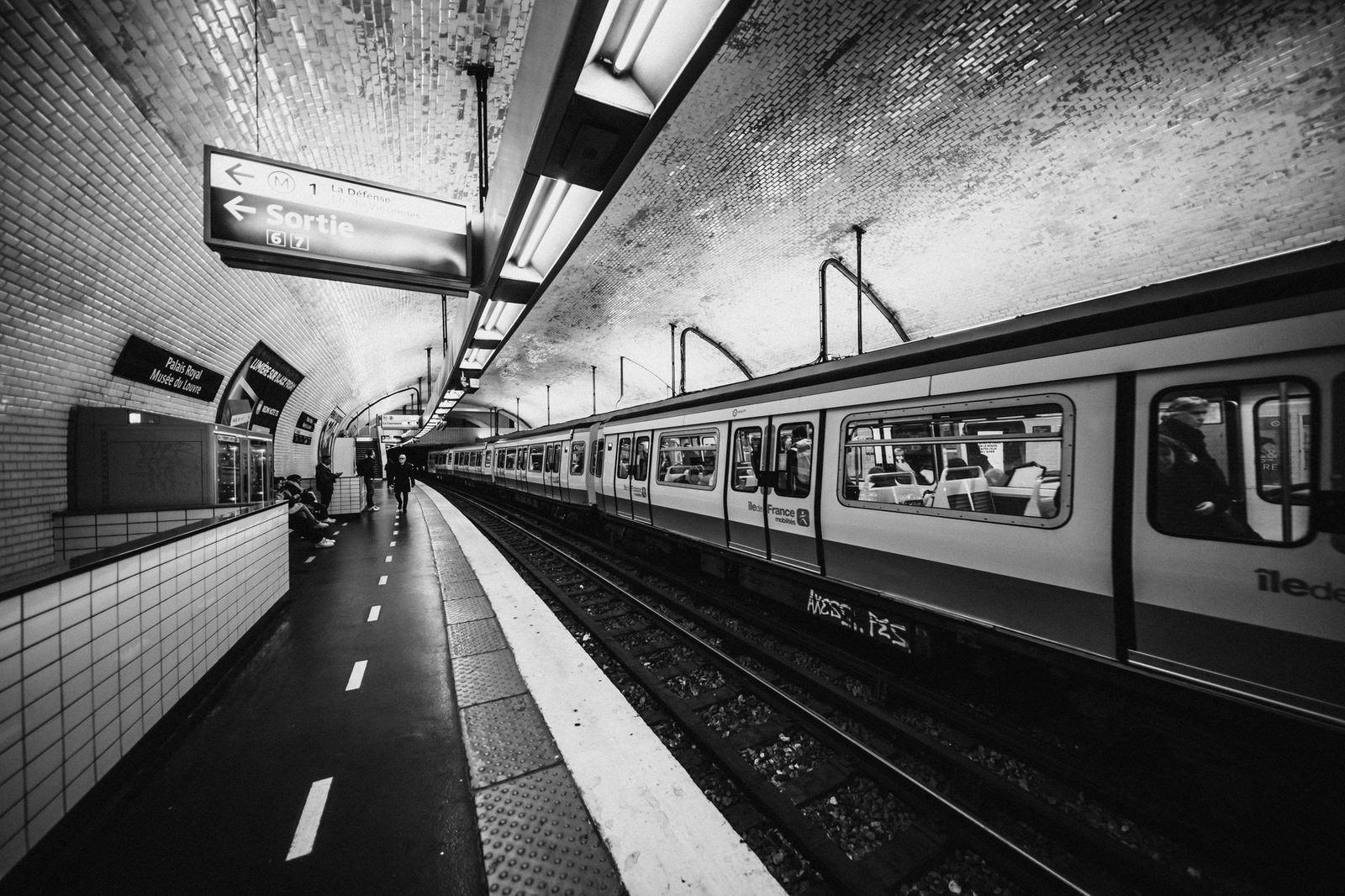
The journeys are short, but the rolling stock is uneven and the platforms sometimes long.
Cross-border TER services in the North have neither reliable power sockets nor Wi-Fi. On Lille–Tournai, 30 minutes is fine; on Metz–Luxembourg at peak hours, standing, with a phone at 12%, it's another story. A 10,000 mAh power bank solves the problem for the whole day — and stays below the capacity limits allowed in hand luggage, a point we reviewed in our guide to batteries, e-bikes and scooters.
Bikes travel well, but not everywhere. CFL carries bikes free of charge on equipped trains, SNCB applies a bike supplement (around €4–8 depending on the route and period), and French TER services apply their own regional rules. For the lanes of Ghent or Bruges, a compact folding bike removes all doubt: folded, it counts as luggage in all three countries.
Border stations are not service stations. Mouscron, Jeumont, Givet, Rodange: few or no shops, limited opening hours, ticket offices often closed on Sundays. Bring your own water and something to eat. An insulated 500 ml water bottle can be refilled at the fountains of the big Belgian stations and saves you the €3.50 platform bottle.
Northern weather is a real factor. The platforms at Tournai, Namur and Luxembourg offer little shelter. Between November and March, a compact waterproof windbreaker weighs 300 grams and makes all the difference on a 20-minute connection in the open air.
For calm planning, finally, the rail maps from publisher Schweers + Wall and European atlases of the Thomas Cook type remain a reference: a European rail atlas shows at a glance which border lines still exist — including those booking engines never offer.
Frequently asked questions
Is the train really free in Luxembourg in 2026?
Yes, in 2nd class, across the entire national public network (CFL trains, buses, tram). Free travel does not cover 1st class, nor the part of the journey made outside Luxembourg's territory. From Thionville or Metz, you therefore only pay for the French kilometres.
Do I need a passport to travel from France to Belgium by train?
No. All three countries are in the Schengen Area: no systematic checks at stations. A valid national ID card or passport is enough and must be available to show during a mobile police check, which does indeed happen on the Lille–Brussels and Luxembourg–Thionville routes.
Lille–Brussels: Eurostar or TER?
Eurostar if the price is under €45 or if you're in a hurry (35 minutes). Otherwise TER + Belgian IC via Tournai: allow about 1 hr 40 to 2 hours for around twenty euros, with one change. The price gap often exceeds €40 for late bookings.
What's the best time/price option from Luxembourg to Brussels?
The direct IC train takes a little over 3 hours for €20–45. The direct coach or ridesharing frequently comes in under 3 hours for €10–25. On this specific route, the road is competitive — the exception in the region.
Can you use an Interrail pass on these routes?
Yes, but it's rarely worth it: cross-border regional tickets cost €5–12 and Luxembourg is free. A pass only makes sense within a broader European itinerary, as we explain in our analysis of Interrail and whether it really pays off.
In summary
- Lille-Flandres is the best gateway to Belgium: Tournai or Mouscron for under €10, then the cheap Belgian domestic network.
- Luxembourg is free for public transport, but free travel stops dead at the border: pay only for the French portion (€5–12).
- Split your tickets at the border station: Lille → Tournai → Brussels often costs half the price of a through ticket, at the cost of an extra hour and an unguaranteed connection.
- The Paris–Brussels Eurostar (1 hr 22) is unbeatable on time, provided you book 2 to 3 months ahead: €29–39 versus more than €120 the day before.
- Brussels–Luxembourg is the region's great weakness: 3 hr 10 by train for 190 km, where coach and ridesharing do better.
- The Ardennes (Charleville–Dinant, Jeumont–Charleroi) work, but with few trains and frequent replacement buses: check the actual mode before you leave.
- On the practical side, bring a power bank, water and a windbreaker: border stations offer few services and platforms are rarely sheltered.