Short answer: since the closure of the historic Mont-Cenis line (Modane–Turin) following the La Praz landslide in 2023, there is no longer any direct train between Lyon/Chambéry and Turin. To cross the French–Italian Alps in 2026, four options are genuinely bookable: buses through the Fréjus tunnel (Grenoble/Chambéry/Lyon → Turin, 4 to 5.5 hours, €15–45), buses through the Mont Blanc tunnel (Geneva/Chamonix → Courmayeur and Aosta, 1 to 2.5 hours, €20–40), the detour through Switzerland via the Simplon or the Gotthard (Geneva or Basel → Milan by train, 4 to 6 hours, €30–90), and high-speed rail along the coast (Nice–Ventimiglia–Genoa–Milan). Golden rule: don't look for a "Lyon–Turin" ticket on a rail booking engine — it doesn't exist; look for a bus first, then an Italian train from Turin.
Some borders you cross without a second thought, like France–Belgium–Luxembourg. And then there's this one. Between Lake Geneva and the Mediterranean, France and Italy share 515 kilometres of border, almost entirely above 2,000 metres, with passes closed six months a year. Two major road tunnels (Fréjus, Mont Blanc), a century-old rail tunnel out of service for long-distance passengers, and a construction site — the new Lyon–Turin line — not expected to open before the 2030s.
In other words: in 2026, the French–Italian Alpine arc is the missing link in the Western European network. But it can be crossed perfectly well, as long as you know that the answer involves a bus, or a Swiss detour that is neither slower nor pricier than you might think. This guide goes through it crossing by crossing, with what is bookable today.
1. What has changed: the end of the Modane–Turin train
Until August 2023, a traveller could board a TGV or a TER at Lyon Part-Dieu, change at Chambéry or Modane, and reach Turin Porta Susa in around 5 hours. Those days are over.
On 27 August 2023, a massive landslide struck the Savoy side of the valley, in the La Praz / Saint-André area of the Maurienne. Several hundred thousand cubic metres of rock collapsed onto the track and onto the A43 motorway. Rail traffic was completely halted. SNCF Réseau undertook titanic works to stabilise the slope; the line has reopened to freight and to certain regional services, but the international passenger offer — the former TGV and EuroCity services between Paris/Lyon and Milan via Modane — has never been restored in its previous form.
The result in 2026:
- No direct train from France on Lyon–Turin, Chambéry–Turin or Grenoble–Turin.
- On the Italian side, Trenitalia runs regional trains between Turin and Bardonecchia / Oulx, the last major station before the border.
- On the French side, TER Auvergne-Rhône-Alpes trains serve the Maurienne as far as Modane, but the Modane–Bardonecchia passenger link is absent or very marginal depending on the period.
Remember: if a comparison site offers you a "Lyon–Turin by train", check the routing. It almost always means a journey via Paris and Milan, or via Switzerland, with 8 to 11 hours door to door. The bus is faster.
To understand how these disruptions feed through into the annual timetable, see our article on the December 2026 timetable change.
2. The Fréjus crossing: the bus, the only direct option
The Fréjus road tunnel, opened in 1980, links Modane to Bardonecchia over 12.9 km. This is where most passenger traffic between the Rhône-Alpes region and Piedmont now goes.
Bookable operators
| Route | Operators | Typical duration | Typical price |
|---|---|---|---|
| Lyon → Turin | FlixBus, BlaBlaCar (ridesharing) | 4h30 – 5h30 | €15 – 45 |
| Grenoble → Turin | FlixBus, seasonal coaches | 3h45 – 4h30 | €14 – 35 |
| Chambéry/Annecy → Turin | FlixBus (seasonal) | 4h – 5h | €15 – 40 |
| Lyon → Milan | FlixBus (frequent overnight) | 7h30 – 9h | €20 – 55 |
FlixBus is the backbone operator on this corridor, with daily departures and overnight coaches on Lyon–Milan. On the Italian side, connections are made at Turin Lingotto, Porta Susa or Vittorio Emanuele II / Corso Marconi depending on the stop — check the exact address when booking, as not all of them are in the city centre.
Ridesharing plays a far bigger role here than on other European borders. On BlaBlaCar, Grenoble–Turin or Chambéry–Turin regularly go for €15 to €25, and it is often the fastest option (3 to 3.5 hours) since the car goes through the tunnel without intermediate stops. One caveat: the Fréjus toll is expensive (over €50 one way for a car), which explains why some drivers charge above the French average per kilometre.
The passes: forget them from October to May
The Mont-Cenis pass (2,083 m), the Col de l'Échelle, the Col Agnel and the Larche/Maddalena pass close in winter. The Montgenèvre pass (1,850 m), between Briançon and Oulx, stays open all year and is served by Zou ! coaches and regional lines on the Hautes-Alpes side, with connections towards Oulx and Turin. It is the only "high" Alpine crossing usable by public transport twelve months a year, but the service is thin: two to four runs a day depending on the season.
If you are travelling on these routes in winter, allow the buffer we recommend in our guide to rail travel in Europe in winter 2026-2027: Alpine coaches run 30 to 90 minutes late as soon as it snows, and compulsory snow chains slow everyone down.
3. The Mont Blanc tunnel: Chamonix, Courmayeur, Aosta
To the north, the Mont Blanc tunnel (11.6 km, opened in 1965) links Chamonix to Courmayeur. It is the shortest and most spectacular crossing — and the best served by regular public transport.
What runs:
- Chamonix → Courmayeur: seasonal cross-border shuttles, around 45 minutes door to door, roughly €20 to €30. Service is stepped up in winter for skiers and in summer for Tour du Mont Blanc hikers.
- Geneva airport → Courmayeur / Aosta: private shuttles and scheduled coaches (SAVDA and Aosta Valley operators), 2 to 2.5 hours, €25 to €45.
- Aosta → Turin / Milan: Trenitalia regional trains via Chivasso (Aosta–Turin, about 2 hours) and SAVDA/FlixBus coaches to Milan.
The Mont Blanc tunnel is also undergoing a major refurbishment programme launched by GEIE-TMB, with scheduled closures in phases. In short: before any trip through this crossing, check the closure calendar on the tunnel's website. When it closes, traffic shifts to Fréjus and journey times explode.
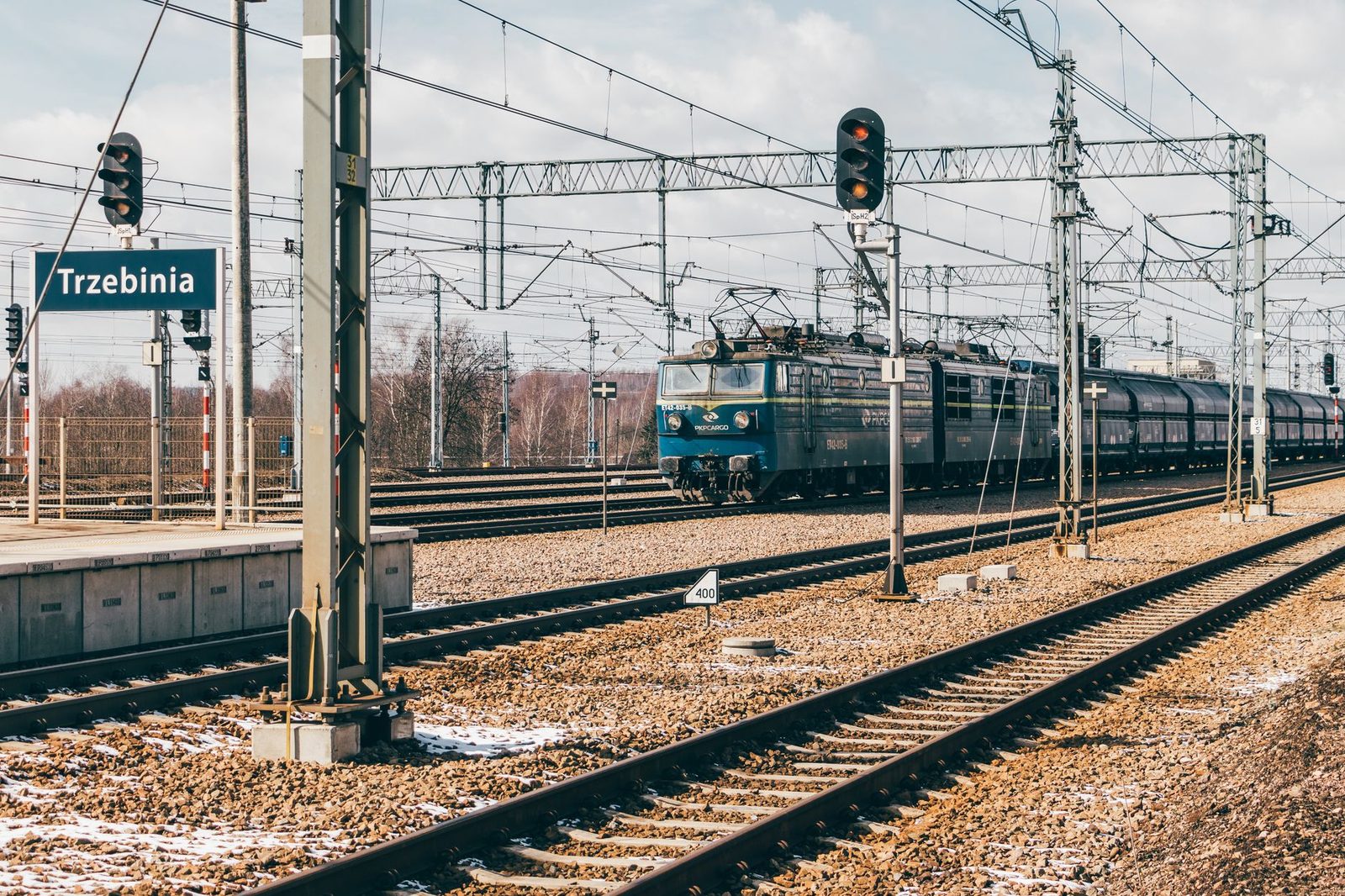
Practically speaking, the Chamonix–Courmayeur shuttles take skis and large bags in the hold at no extra charge, but volume rules vary from one operator to another: a hard-shell ski bag avoids arguments at loading, and remains the only format universally accepted. Our detailed rules mode by mode are in the guide to luggage on trains in Europe.
4. The Swiss detour: the rail solution that actually works
This is the worst-kept secret of this border. To travel by train from France to northern Italy, the best route often goes through Switzerland.
Via the Simplon (Geneva/Lausanne → Milan)
SBB/Trenitalia EuroCity trains link Geneva to Milan via Lausanne, Brig and the Simplon tunnel (19.8 km, opened in 1906), then Domodossola and Stresa. Allow about 4 hours for Geneva–Milan, with several return services a day.
- Price: from around €30 to €40 on discounted advance fares, €60 to €90 at full fare.
- From Paris: TGV Lyria Paris–Geneva (3h10) then EuroCity → about 7h30 door to door.
- From Lyon: TER/Léman Express to Geneva, then EuroCity.
Swiss discounted tickets — SBB's famous Supersaver fares — also apply to the Swiss portion of these journeys. We explain how they work in our guide to rail travel in Switzerland: Halbtax, Swiss Travel Pass or Supersaver tickets.
Via the Gotthard (Basel/Zurich → Milan)
Since the Gotthard Base Tunnel (57 km) opened in 2016, Zurich–Milan takes 3h20 to 3h40. For a traveller starting from Strasbourg, Mulhouse or Dijon, the Basel → Milan route (about 4 hours) is often the fastest way into northern Italy — faster than heading back down to Lyon to catch a coach.
The little red train: Domodossola–Locarno
Between Domodossola and Locarno runs the Centovalli / Vigezzina, one of the finest lines in Europe (1h50, around €20 to €30). It isn't a shortcut, it's a detour — but if you have a day to spare, it is the most beautiful bookable Alpine crossing on the continent. A guide to Europe's most scenic railway lines helps here to plan the itinerary in advance, because no booking engine will spontaneously suggest this kind of combination.
5. The coastal crossing: Nice, Ventimiglia, Genoa
In the south, the border is crossed at sea level, and it is by far the simplest crossing. The Nice–Ventimiglia TER (about 50 minutes, under €10) then Italian regional and Intercity trains towards Genoa and Milan form a reliable, inexpensive chain. We covered it in detail in Nice, Menton, Ventimiglia: crossing the Italian border.
Worth noting for 2026-2027: Trenitalia France runs Frecciarossa services between Paris, Lyon and Milan via Modane when the route is available, and Italo launched a high-speed Milan–Lyon link in April 2026. These services, when they run, are the only direct French–Italian rail offer — but their reliability depends entirely on the state of the Maurienne line. Check whether trains are actually running on your travel date, not just whether tickets are on sale.
6. Which route for which journey? The decision table
| You're leaving from | You're heading to | Best 2026 option | Duration | Budget |
|---|---|---|---|---|
| Lyon | Turin | FlixBus via Fréjus | 4h30 – 5h30 | €15 – 45 |
| Grenoble | Turin | Ridesharing or FlixBus | 3h15 – 4h30 | €14 – 35 |
| Paris | Milan | TGV Lyria + EuroCity via Geneva | ~7h30 | €60 – 140 |
| Strasbourg | Milan | Train via Basel and the Gotthard | ~6h | €50 – 110 |
| Chamonix | Courmayeur/Aosta | Mont Blanc tunnel shuttle | 45 min – 1h30 | €20 – 35 |
| Briançon | Turin | Montgenèvre coach + train from Oulx | 4h – 5h | €20 – 35 |
| Nice | Genoa | TER + Italian regional via Ventimiglia | 3h30 – 4h | €15 – 25 |
| Marseille | Milan | Train via Nice/Ventimiglia or direct coach | 7h – 10h | €25 – 90 |
7. Six habits to avoid getting caught out
Split your ticket at the border. As on other borders, an "international" ticket often costs twice as much as a French ticket to Modane/Ventimiglia plus an Italian ticket beyond. Trenitalia regional trains can be booked without compulsory seat reservation.
Validate your Italian regional tickets. On regional trains, an unstamped paper ticket exposes you to a fine. Tickets bought on the Trenitalia app don't need validating — it's paper that causes trouble.
Plan for altitude and tunnels. Fréjus coaches spend 5 hours in winding valleys; 4G drops out regularly. A European plug adapter and a 10,000 mAh power bank solve the main problem (coach USB sockets are temperamental); see also our rules on batteries on trains and buses.
Don't count on the passes out of season. From November to May, no French–Italian Alpine pass other than Montgenèvre is usable.
Book Mont Blanc shuttles ahead in high season. From December to March and in July and August, Chamonix–Courmayeur shuttles fill up, especially at weekends.
Check the tunnel calendars. Both Fréjus and Mont Blanc are subject to night closures and planned works; a single night closure can add two hours to a journey.
8. What about the new Lyon–Turin line?
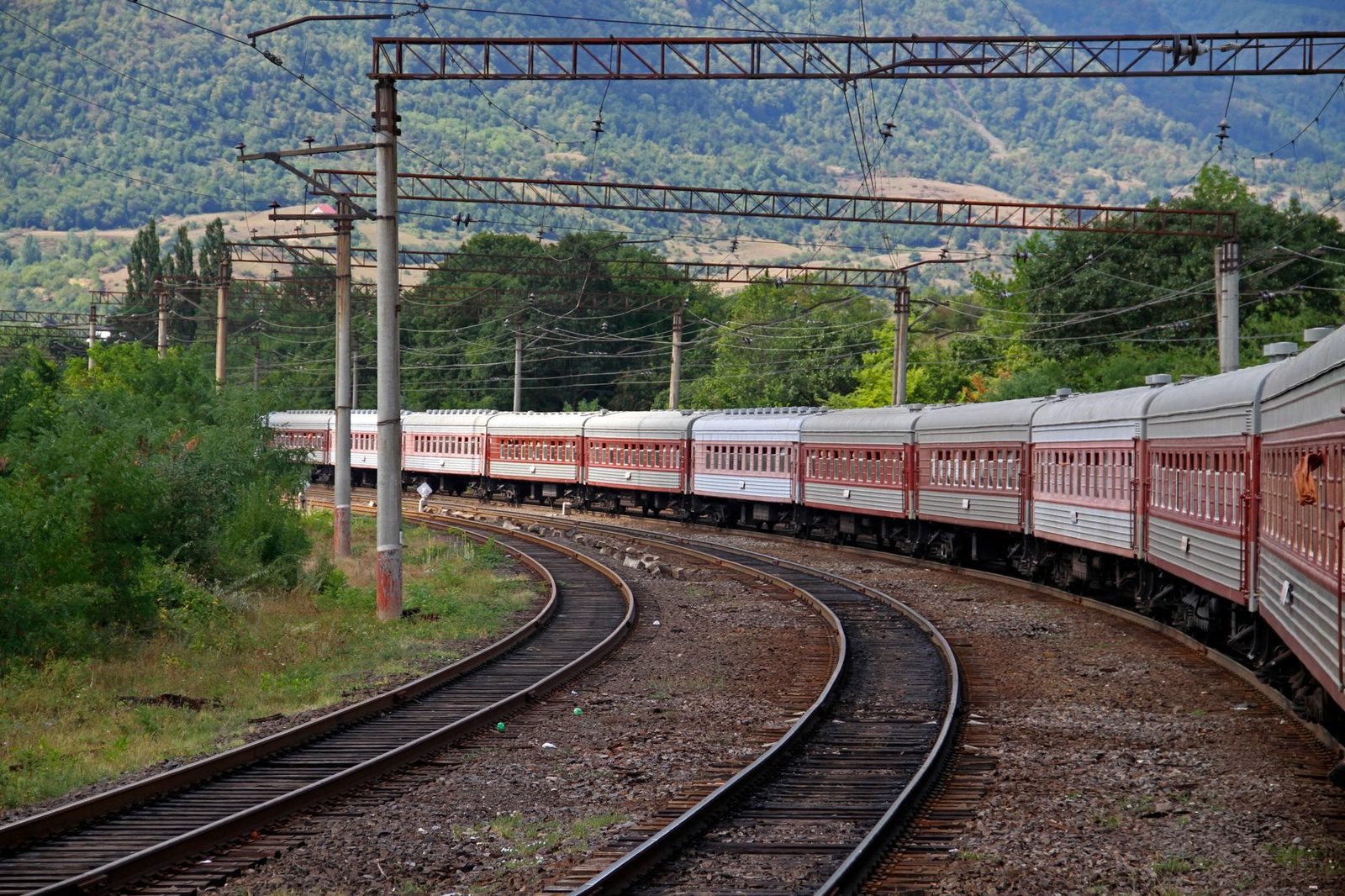
The Mont-Cenis base tunnel, 57.5 km between Saint-Jean-de-Maurienne and Susa, is under construction. It is the longest rail project in Western Europe. Its backers talk of opening in the 2030s, with the French access routes still unfinished. In practical terms: it affects no journey bookable in 2026. For the next ten years, the coach and the Swiss detour remain the answer.
Frequently asked questions
Is there a direct Lyon–Turin train in 2026?
No. Since the La Praz landslide in the Maurienne in August 2023, the long-distance passenger service via Modane has not been restored on a stable basis. The FlixBus coach through the Fréjus tunnel (4h30 to 5h30) is the fastest direct link.
What is the fastest journey from Paris to Milan by train?
Via Switzerland: TGV Lyria Paris–Geneva (3h10) then EuroCity Geneva–Milan via the Simplon (about 4 hours), i.e. roughly 7h30 including the connection. The Paris–Basel–Milan route via the Gotthard is comparable.
Can you cross the Mont Blanc tunnel by public transport?
Yes, by shuttle or scheduled coach: Chamonix–Courmayeur in about 45 minutes, and Geneva–Aosta in 2 to 2.5 hours. No train crosses this tunnel, which is road-only.
Are the Alpine passes served by bus?
Only the Montgenèvre pass, between Briançon and Oulx, has a year-round service (two to four runs a day). Mont-Cenis, Échelle, Agnel and Larche close in winter and have no scheduled service.
Is there a passport check between France and Italy?
Both countries are in the Schengen area: no systematic checks. Targeted checks are nevertheless frequent at Ventimiglia, Modane and Bardonecchia. Carry valid ID with you.
Is ridesharing really worthwhile on this corridor?
Yes, it is one of the borders where it makes most sense, because road traffic is heavy and the tunnel route is direct. Grenoble–Turin or Chambéry–Turin often go for €15 to €25 for 3 to 3.5 hours.
In summary
- No direct Lyon/Grenoble–Turin train in 2026: the Mont-Cenis rail crossing has remained unavailable to long-distance passengers since 2023.
- The coach through the Fréjus tunnel (FlixBus) is the benchmark direct option: 4h30 to 5h30, €15 to €45.
- Ridesharing is unusually competitive on this corridor (€15 to €25, 3h15 to 3h30).
- To travel by train, go through Switzerland: Geneva–Milan via the Simplon (4 hours) or Basel/Zurich–Milan via the Gotthard (3h20 to 4h).
- In the south, the coastal Nice–Ventimiglia crossing remains the simplest and cheapest in Western Europe.
- Just one pass (Montgenèvre) is served all year; all the others close in winter.
- The Fréjus and Mont Blanc tunnels both have works calendars: check them before booking.
To compare trains, coaches and ridesharing on these Alpine crossings, compare on Gopaxo and have a look at our discount cards: on the Swiss side as on the Italian side, the right card transforms the price of an Alpine detour.