Short answer: in Croatia, the train is only useful on two axes — Zagreb–Split (about 6 hrs by day train, 7 hrs 30 to 8 hrs overnight, tickets around €25–30 in 2nd class) and the domestic routes radiating from Zagreb (Rijeka, Osijek, Varaždin). For the whole of Dalmatia (Zadar, Šibenik, Dubrovnik, Makarska) and all of Istria (Pula, Rovinj), the railway either doesn't exist or leads nowhere: it's the bus that holds the country together, with Arriva, FlixBus, Croatia Bus and Autotrans, usually between €10 and €30. In Slovenia, it's the other way round: Slovenske železnice (SŽ) run a dense network and some of the cheapest rail fares in Western Europe (Ljubljana–Maribor in 1 hr 50 for about €10), and the bus only wins for Bled, the coast and the airport. Golden rule: train in Slovenia, bus on the Croatian coast — and buy Croatian bus tickets in advance in July and August, the only time they really fill up.
Croatia and Slovenia are two neighbouring countries, two EU members, two pieces of the same former Yugoslavia — and two radically opposed transport logics. Travellers who string together Ljubljana, Zagreb and Split on the same trip notice it abruptly: on one side a border, on the other a change of system.
The most common mistake is trying to do Dalmatia by train. You look at a map, you see Croatia stretched along the Adriatic, you assume a coastal line runs its length. It doesn't exist. The relief of the Dinaric Alps, Austro-Hungarian history (which built lines towards Vienna and Budapest, not southwards) and the war of the 1990s left a star-shaped network centred on Zagreb, with only one branch reaching the sea at Split and another at Rijeka.
This guide reviews, operator by operator and route by route, what is actually bookable in November 2026, ahead of the European timetable change on 13 December 2026.
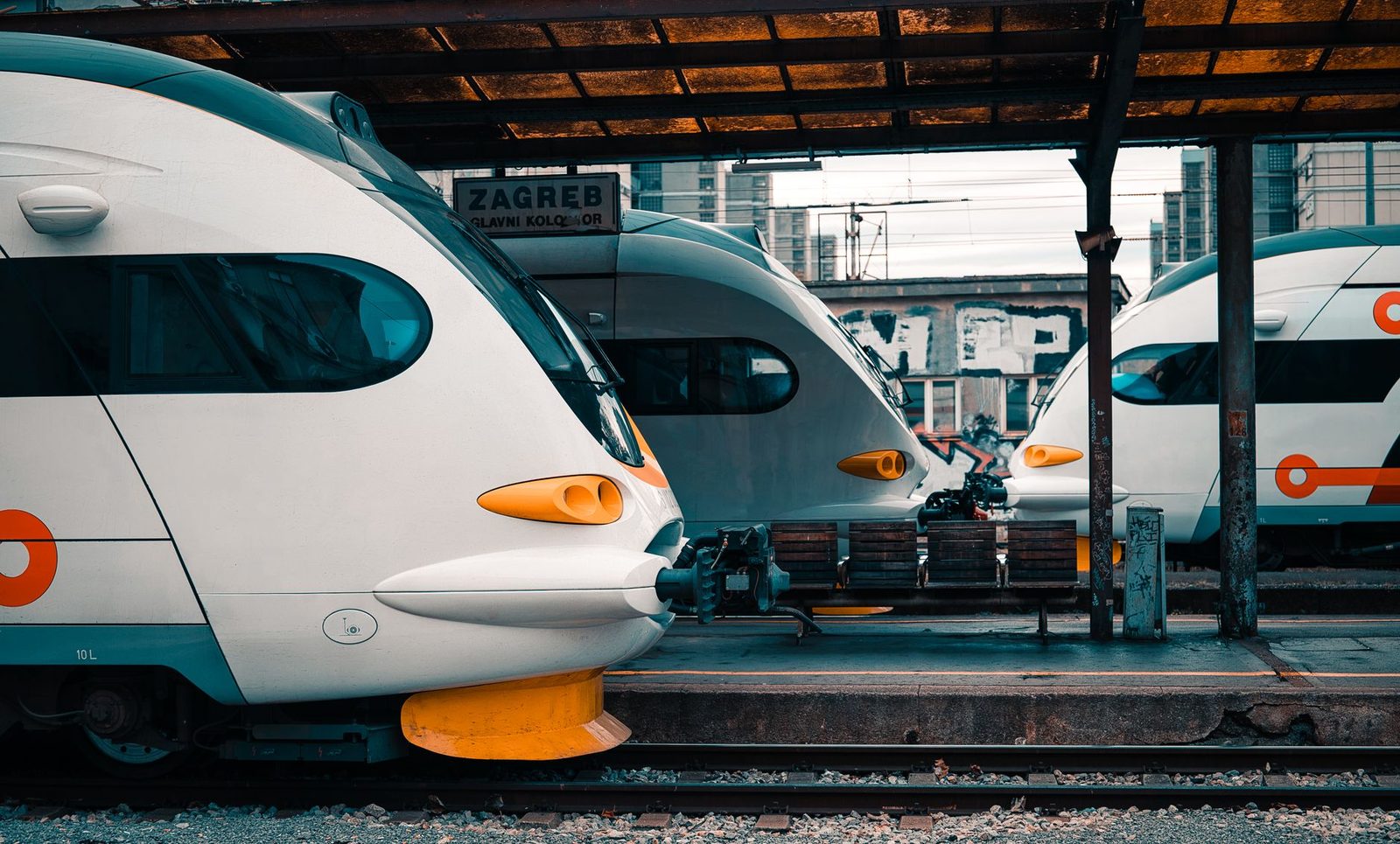
1. The Croatian rail network: two useful lines, not three
There is a single operator: HŽ Putnički prijevoz (HŽPP), the passenger arm of Croatian Railways. The site hzpp.hr publishes timetables and fares, and sells online.
Zagreb–Split: the line to know
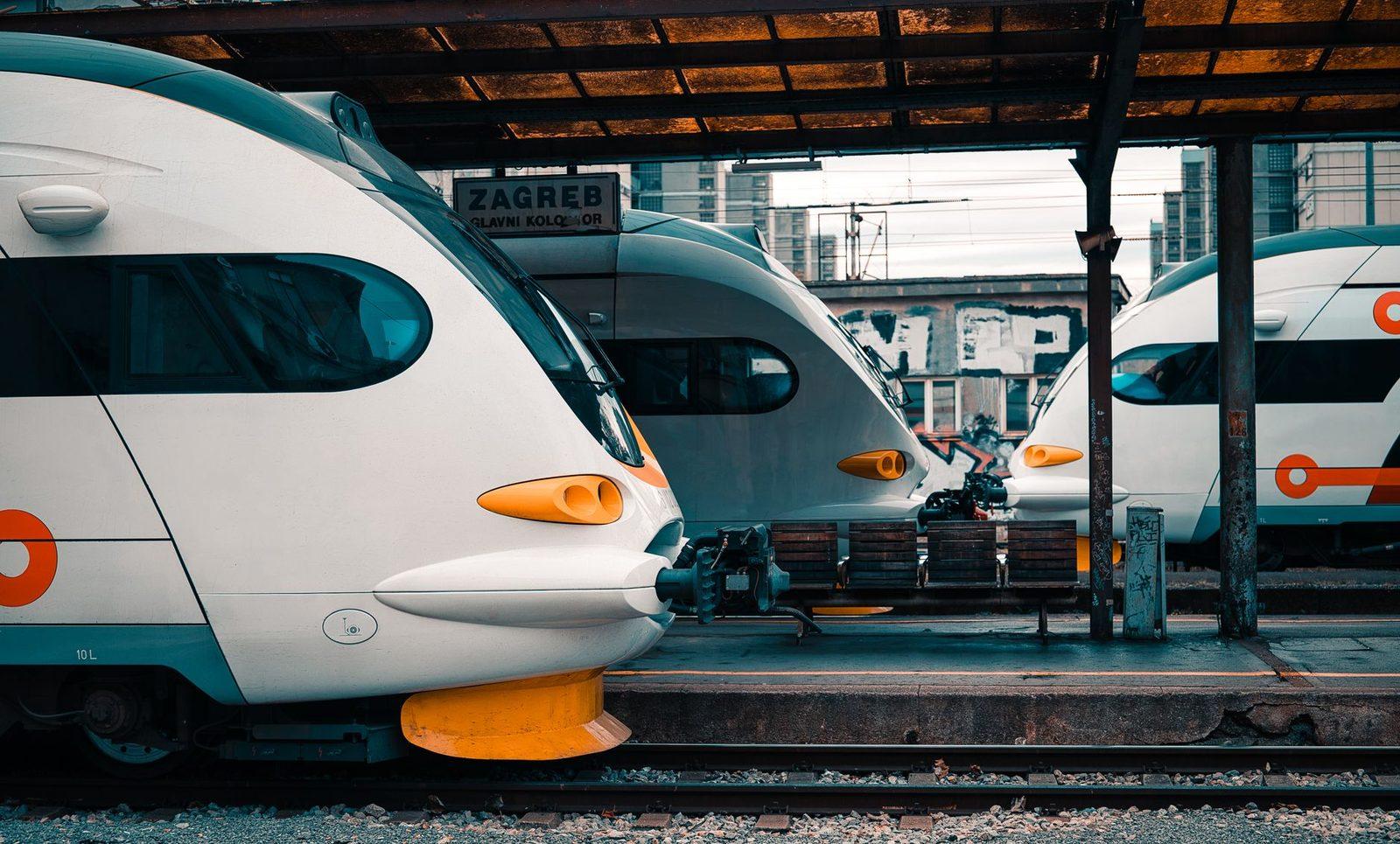
This is the only genuinely interesting long-distance service in the country. Two products coexist:
- The day train ("ICN" service for part of the year, a fast train the rest of the time): about 6 hrs for 400 km, with arrivals around the middle of the day.
- The night train, which runs in summer and during the holidays: 7 hrs 30 to 8 hrs, with couchette and sleeping cars. It gets you into Split in the morning without paying for a hotel, and on certain dates it carries cars (motorail service).
On price, 2nd class costs around €25–30 at full fare on Zagreb–Split, with a discount of about 20% on return tickets and reduced fares for young people and seniors. A couchette adds €10 to €20 depending on the number of berths in the compartment. These are fixed prices, not yield management: booking three months ahead doesn't cost less, but in July and August the couchettes go quickly.
The Croatian night train is no Nightjet: no shower, patchy air conditioning, elderly rolling stock. A blackout sleep mask and a pair of earplugs completely transform the night, especially in a six-berth couchette. Our detailed tips are in our guide to sleeping well on a night train.
Zagreb–Rijeka and the rest of the network
Zagreb–Rijeka takes 4 hrs to 4 hrs 30 for about €13–17: slower than the bus (2 hrs 30 to 3 hrs), but more comfortable and very cheap. The line crosses the Gorski kotar, a spectacular forested plateau under snow.
The other routes worth remembering:
| Route | Recommended mode | Typical duration | Typical price |
|---|---|---|---|
| Zagreb–Split | Train (day or night) | 6 hrs / 7 hrs 30–8 hrs | €25–30 |
| Zagreb–Rijeka | Train or bus | 4 hrs / 2 hrs 30–3 hrs | €13–17 / €12–20 |
| Zagreb–Osijek | Train | about 4 hrs 30 | €15–20 |
| Zagreb–Zadar | Bus only | 3 hrs 30 | €15–25 |
| Zagreb–Dubrovnik | Bus (or plane) | 10–11 hrs | €25–40 |
| Split–Dubrovnik | Bus | 4 hrs 30 | €20–30 |
| Zagreb–Pula | Bus | 5 hrs | €18–28 |
The lesson is clear: as soon as your destination is south of Split or in Istria, the train is out of the running.
What the Croatian railway does not do
There is no rail line to Dubrovnik — the city has never been connected to the national network since the old narrow-gauge line closed. Zadar and Šibenik have stations, but they are served by slow branch lines from Knin, of no practical use. Istria has an isolated network (Pula–Divača, via Slovenia) that is not linked to the rest of Croatia by rail.
2. Croatian buses: four companies, two booking sites
The bus is the dominant mode in Croatia, and it's good. The coaches are modern and air-conditioned, and the bus stations (autobusni kolodvor) are central and well kept.
The operators to know:
- Arriva Hrvatska: the country's largest network, very strong in Dalmatia, Istria and along the coast. Booking on its own website.
- FlixBus Hrvatska: dense on Zagreb–Split–Dubrovnik and on international routes to Ljubljana, Trieste, Vienna, Munich, Belgrade and Sarajevo.
- Croatia Bus and Autotrans (Arriva group): strong respectively in the interior/Slavonia and around Rijeka/Kvarner.
- Čazmatrans, Samoborček, Promet Makarska: regional operators you'll come across on secondary routes.
For booking, two portals cover most of it: Arriva.com.hr for its own network and FlixBus for its own. The bus stations in Zagreb and Split also have their own ticketing sites, which aggregate several carriers. In practice, open both: the same Zagreb–Split can show €13 on one and €22 on the other the same day.
Three Croatian pitfalls to know about
The hold luggage surcharge. This is the local quirk: many Croatian companies charge €1 to €2.50 per bag placed in the hold, payable in cash to the driver, in kuna converted… no, in euros since the currency changeover in 2023. Bring coins. A soft cabin-sized travel bag that counts as hand luggage avoids both the surcharge and the queues at loading. The rules company by company are detailed in our comparison of luggage rules on trains, buses and planes.
Zagreb bus station charges to access the platforms. A small toll of a few dozen cents applies to reach the platforms at some stations: more coins needed.
Summer changes everything. Between late June and late August, buses to Zadar, Split, Makarska and Dubrovnik fill up, especially on Fridays and Saturdays. Off season, you buy at the counter ten minutes before departure; in August, book at least 48 hrs ahead.
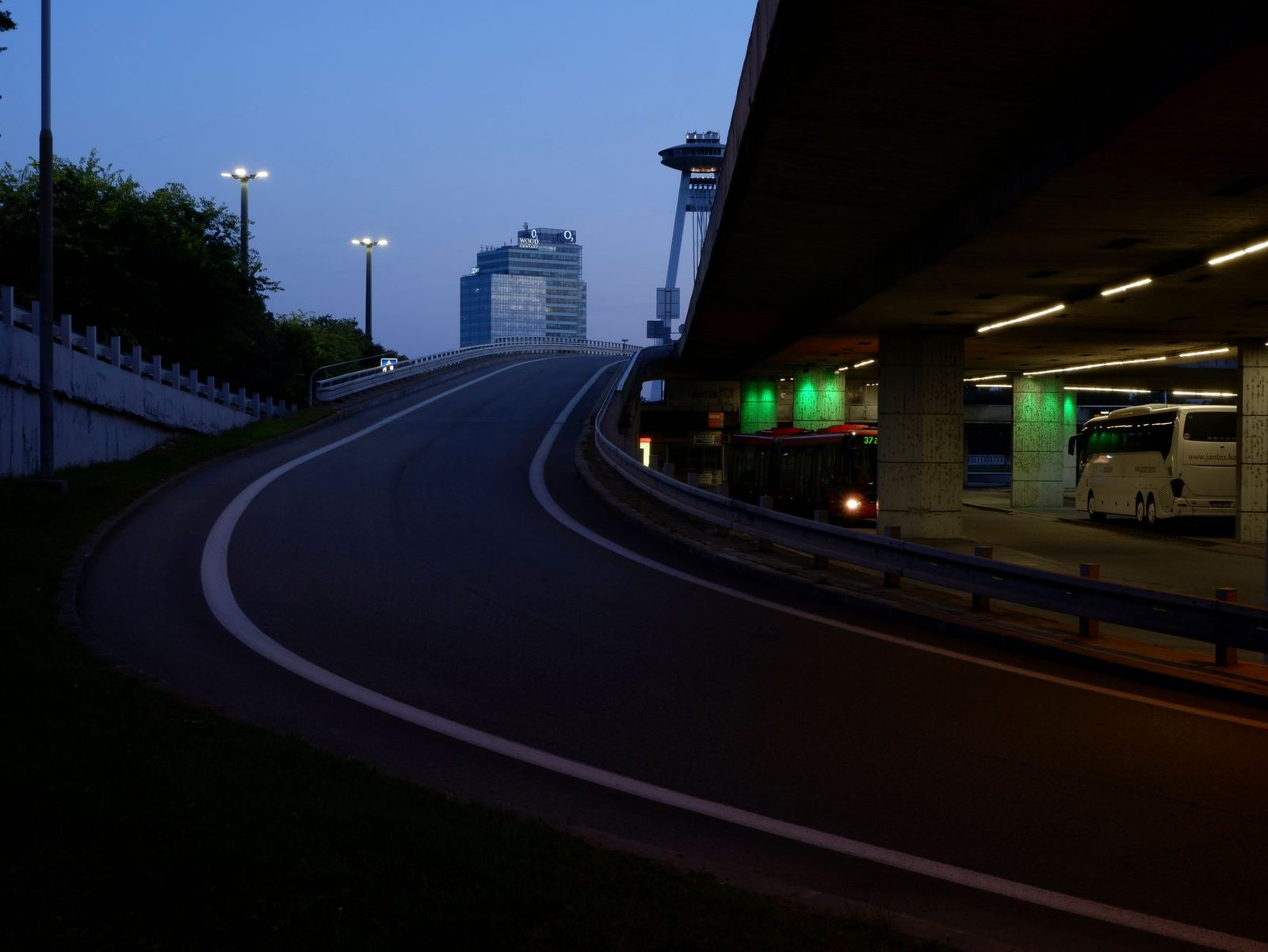
3. Slovenia: the railway that works, and costs next to nothing
A complete change of mood. Slovenske železnice (SŽ) run a compact but efficient network, with new Stadler trainsets on the main lines and very gentle distance-based pricing. The site slo-zeleznice.si sells online and shows the final timetables.
The key routes:
| Route | Duration | Typical 2nd-class price |
|---|---|---|
| Ljubljana–Maribor | 1 hr 50–2 hrs 30 | ~€10 |
| Ljubljana–Jesenice (Bled) | 50 min–1 hr | ~€6 |
| Ljubljana–Koper | 2 hrs 30 | ~€10 |
| Ljubljana–Zagreb | 2 hrs 20–2 hrs 40 | ~€12–15 |
| Ljubljana–Villach (Austria) | 1 hr 50 | ~€17 |
Two advantages are worth knowing about:
- A ticket bought online or in the app is cheaper than the same ticket bought at the counter on the day of departure, and far cheaper than on board. The gap can reach 10 to 30%.
- Regional trains take bikes for a modest supplement, which makes Slovenia excellent ground for combining rail and cycling. See our guide to taking your bike on the train.
When to take the bus in Slovenia
Only three cases:
- Ljubljana–Bled: the train stops at Lesce-Bled or Bled Jezero, both some way from the lake. The Arriva Slovenija bus drops you in the centre of Bled in 1 hr 15 for about €7. It's simpler.
- Ljubljana–Jože Pučnik Airport (Brnik): no train. Shuttle or GoOpti bus, about €6–12 in 45 min.
- The valleys with no railway: Bovec, Kobarid, the Soča valley, Piran (the nearest station is Koper).
GoOpti, specific to the region, deserves a mention: it's a shared shuttle service with flexible departure times linking Ljubljana to Trieste, Venice, Zagreb, Klagenfurt and the airports, with prices that drop the earlier you book. Between the rigid bus and the taxi, it fills a real gap.
4. Crossing the Slovenia–Croatia border
Both countries have been in the Schengen area since January 2023: no more systematic checks on the Ljubljana–Zagreb border. But beware — random police checks are regularly reintroduced at internal borders, and Croatia remains the gateway to Bosnia and Herzegovina and Serbia, where checks are very much real. The rollout of the EES (Entry/Exit System) concerns non-EU nationals — our article on EES checks explains what changes.
For Ljubljana–Zagreb, there are three options:
- SŽ/HŽPP train: 2 hrs 20 to 2 hrs 40, about €12–15, two to three round trips a day. The most comfortable.
- FlixBus: 2 hrs 15 to 2 hrs 45, often €8 to €15, with far more departures.
- GoOpti: door to door, useful with bulky luggage.
One detail that matters: international trains in the region remain few and connections are tight. If your trip strings together several operators on separate tickets, no automatic protection applies in case of delay — that's exactly the subject of our guide to missed connections. Allow at least 45 minutes' margin in Zagreb between a train and a bus.
5. To Italy, Austria and Hungary
- Trieste–Ljubljana: no regular direct train any more, but FlixBus coaches and a cross-border link via Villa Opicina / Sežana. Reckon on 1 hr 30 and €8–12 by bus.
- Ljubljana–Vienna: train via Villach/Graz or direct coach; about 6 hrs.
- Zagreb–Budapest: the rail service has been restored, about 6 hrs, with faster FlixBus coaches.
- Zagreb–Belgrade: the bus dominates (5 to 6 hrs), the train remains marginal and slow.
- Split–Dubrovnik–Montenegro: by road only, either through the Neum corridor (Bosnia and Herzegovina) or over the Pelješac bridge. Keep your ID document within reach.
To head further south, see our guide to buses in the Balkans, which covers Montenegro, Albania and the Croatian coast.
6. Concrete strategies by type of trip
A Ljubljana → Zagreb → Split → Dubrovnik loop
The most logical and cheapest itinerary:
- Ljubljana → Zagreb by SŽ train (€12–15).
- Zagreb → Split by HŽPP night train if the season allows, otherwise by bus (3 hrs 30 to 5 hrs depending on the motorway, €15–25).
- Split → Dubrovnik by Arriva or FlixBus coach (4 hrs 30, €20–30), or by catamaran with Jadrolinija/Krilo in high season — pricier but magnificent.
Realistic total budget: €60 to €80 of transport for the three legs outside summer.
The islands: boat, not bus
Hvar, Brač, Korčula and Vis can only be reached by ferry or catamaran, essentially Jadrolinija and Kapetan Luka (Krilo). Catamaran tickets are sold online and vanish in July and August. The car decks of the ferries are windy: a lightweight waterproof windbreaker comes in handy more often than you'd think on the Adriatic, including in summer thanks to the local wind, the maestral.
Travelling off season
Between November and March, coastal Croatia empties out: some bus routes drop from six departures a day to two, catamarans stop running, and hotels close. Always check timetables on the operator's own website rather than an aggregator, which sometimes displays summer services. In Slovenia, by contrast, the rail network runs identically all year round, snow included — that's its great advantage. Our guide to trains in Europe in winter sets out the plan Bs.
A 10,000 mAh power bank remains the region's most useful accessory: sockets are rare on Croatian coaches and absent from HŽPP's oldest carriages, and everything hinges on the operators' apps.
7. Cards, passes and discounts
- Interrail / Eurail: the passes cover both HŽPP and SŽ. Given local prices (€10–30 per journey), a pass only pays off if Croatia and Slovenia are part of a wider European trip. Our full analysis: when a pass really pays off.
- HŽPP discounts: return tickets, youth, seniors, groups, and family fares on presentation of proof.
- SŽ: discounts for online purchase, regional season tickets, and a weekend day ticket on certain routes.
- Croatian buses: discounts are rare and mostly apply to return tickets with Arriva. FlixBus applies its usual dynamic pricing logic — the earlier, the cheaper.
To compare a specific route across train, bus, ride-sharing and plane, compare on Gopaxo; European discount cards are covered page by page.
Frequently asked questions
Is there a train to Dubrovnik?
No. Dubrovnik has no working station. You get there by bus (10–11 hrs from Zagreb, 4 hrs 30 from Split), by catamaran from Split in season, or by plane.
Does the Zagreb–Split night train run all year?
No, it is essentially a summer and school-holiday service. Off season, check on hzpp.hr before building an itinerary around it, and switch to the bus if necessary.
Do you need to book Croatian buses in advance?
Outside July and August, no: the bus station counter is enough. In high season and at weekends, book 48 hrs ahead with Arriva or FlixBus, especially towards Dubrovnik and Makarska.
Which currency for paying for hold luggage?
The euro. Croatia adopted the single currency in 2023, and Slovenia back in 2007. Keep €1 and €2 coins for luggage surcharges and platform access.
Is the Ljubljana–Zagreb train checked at the border?
There are no longer systematic checks since Croatia joined Schengen in 2023, but random police checks do happen. Keep a valid ID document on you.
Can you do Istria by train?
Only very partially. The Pula–Divača line is isolated from the Croatian network and runs through Slovenia. For Rovinj, Poreč or Umag, the bus is the only option.
In short
- Slovenia: take the train. Dense, punctual, cheap (Ljubljana–Maribor ~€10), cheaper still when bought online.
- Inland Croatia: the train holds up. Zagreb–Split (6 hrs, €25–30), Zagreb–Rijeka, Zagreb–Osijek.
- Coastal Croatia and Istria: the bus, without hesitation. Arriva, FlixBus, Croatia Bus, Autotrans, from €10 to €30.
- Dubrovnik and the islands: road and sea only. Bus, Krilo catamaran or Jadrolinija ferry.
- Ljubljana–Zagreb: train in 2 hrs 20 for €12–15, or FlixBus from €8, far more frequent.
- Bring euro coins for hold luggage and platform access, and book ahead in summer.